 Battle of Stones River
December 31, 1862 – January 2, 1863 · Murfreesboro, Tennessee
Result Tactically Inconclusive; strategic Union victory due to Confederate withdrawal
Battle of Stones River on 31 December 1862, an important Union victory that provided a much-needed morale boost after the Union's recent defeat at Fredericksburg. It reinforced President Abraham Lincoln's foundation for issuing the Emancipation Proclamation, which ultimately discouraged European powers from intervening on the Confederacy's behalf.
Union
Confederacy


Strength and losses
Units
Army of the Cumberland
Strength 41,000
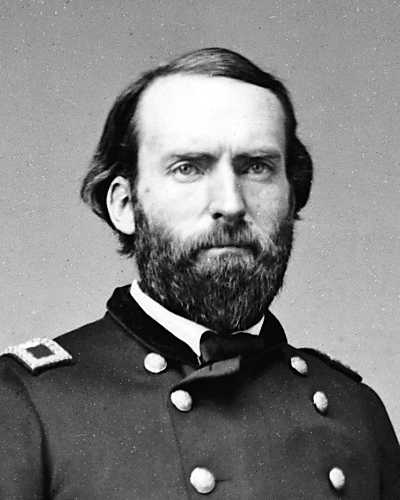
William S. Rosecrans
XIV Corps (Union Army)
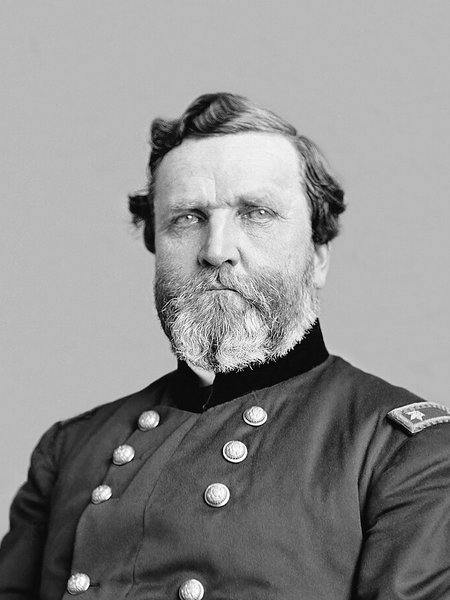
The Center Wing (George H. Thomas), designated XIV Corps on January 9, 1863; at Stones River the whole army was still styled XIV Corps
William S. Rosecrans
2nd Ohio Infantry Regiment
XX Corps (Union Army, 1863)
The Right Wing (Alexander McDowell McCook), designated XX Corps on January 9, 1863
XXI Corps (Union Army, 1863)
The Left Wing (Thomas Leonidas Crittenden), designated XXI Corps on January 9, 1863
Cavalry Division, Army of the Cumberland
David S. Stanley
David S. Stanley
147th Regiment (United States)
21st Ohio Infantry Regiment
Army of Tennessee
Strength 35,000
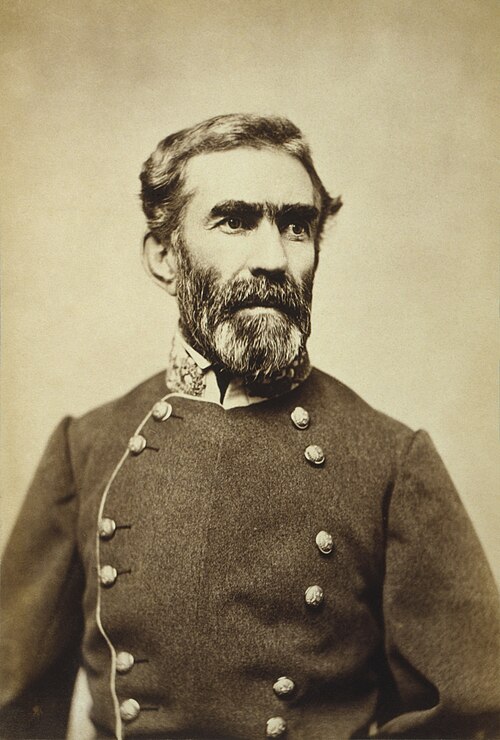
Braxton Bragg
First Corps, Army of Tennessee
Polk's Corps
Leonidas Polk
Second Corps, Army of Tennessee
Hardee's Corps
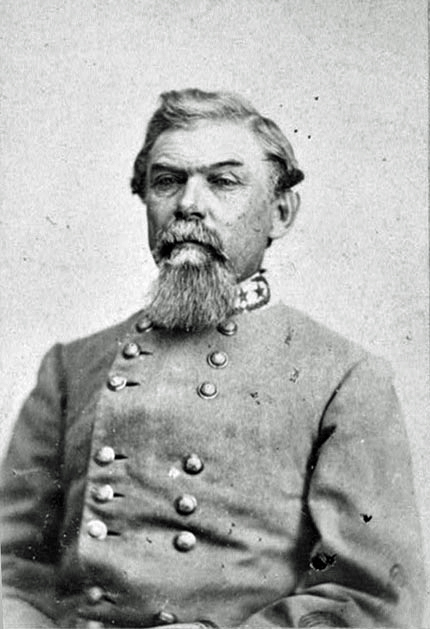
William J. Hardee
Wheeler's Cavalry Corps
Joseph Wheeler
Joseph Wheeler
1st Alabama Cavalry Regiment (Confederate)
8th Confederate Cavalry Regiment