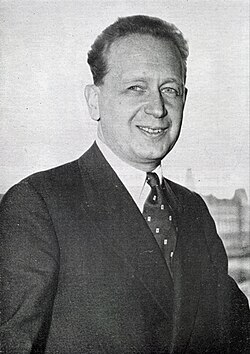
Dag Hammarskjöld
July 29, 1905 – September 18, 1961
Swedish economist and diplomat, UN Secretary-General from 1953 until he died in a plane crash in Northern Rhodesia in 1961 during the Congo Crisis; posthumous Nobel Peace Prize.
Biography
Dag Hammarskjöld was born in Jönköping in 1905, the son of Hjalmar Hammarskjöld, prime minister of Sweden from 1914 to 1917, and grew up in Uppsala. He studied at Uppsala University, taking degrees in philosophy and law, and received a doctorate from Stockholm University.
He made his career as a senior civil servant: state secretary in the finance ministry from 1936 to 1945, Swedish delegate to the Organisation for European Economic Co-operation, cabinet secretary at the foreign ministry, and minister without portfolio from 1951 to 1953, though he never joined a party. In 1954 he was elected to his father's former seat in the Swedish Academy.
In April 1953 the UN General Assembly appointed him Secretary-General, and he was re-elected in 1957. He reorganised the Secretariat, negotiated the release of American airmen held by China in 1955, and set up the first UN peacekeeping forces, in Egypt after the Suez Crisis and in the Congo in 1960. On 18 September 1961, flying to cease-fire talks with Katangese forces, he was killed when his plane crashed near Ndola in Northern Rhodesia; the cause of the crash is still disputed. He is the only person to have received the Nobel Peace Prize posthumously.
Offices held
Trygve Lie Succeeded by
U Thant
Affiliations
Education
- from Jan 1, 1923 Uppsala University
- Stockholm University
- Katedralskolan, Uppsala
Family
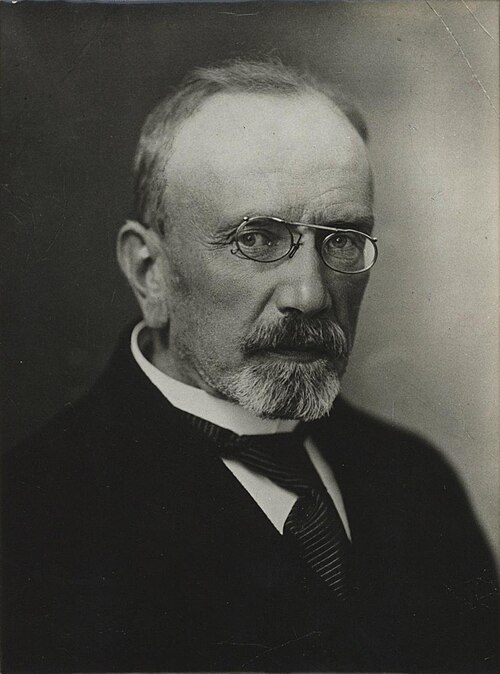 Dag Hammarskjöld
