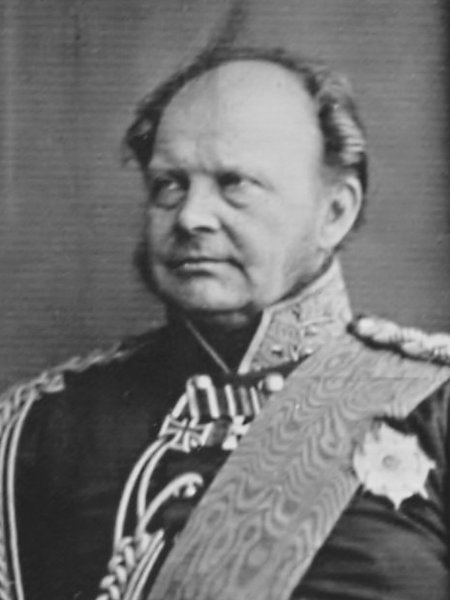
Frederick William IV of Prussia
October 15, 1795 – January 2, 1861
King of Prussia from 1840 to 1861 who refused the German imperial crown offered by the Frankfurt Parliament in 1849.
Biography
Frederick William was born in Berlin in 1795, the eldest son of Frederick William III and Queen Louise. Educated by private tutors, he fled with the family after the defeat of 1806, took part in the campaigns against Napoleon in 1813-1814, and grew up a devout Romantic who believed in monarchy by divine right and a society of Christian estates. He married Elisabeth Ludovika of Bavaria in 1823; the marriage was childless.
He became king in June 1840 and began with conciliatory gestures, freeing political prisoners, easing censorship and making peace with the Catholic Church. He refused, however, to grant a written constitution, and dissolved the United Diet he had summoned in 1847 when it demanded regular sessions and legislative powers.
In the revolution of March 1848 he at first gave way to the Berlin crowds, but in December he dissolved the Prussian National Assembly and imposed a constitution of his own. In 1849 he refused the imperial crown offered by the Frankfurt Parliament, then tried to unite northern Germany under Prussian leadership in the Erfurt Union, which he gave up under Austrian pressure at Olmutz in 1850.
A patron of architecture and the arts, he extended the palaces and parks of Berlin and Potsdam and supported the completion of Cologne Cathedral. A series of strokes from 1857 left him incapacitated, his brother William acted as regent from 1858, and he died at Sanssouci in January 1861.
Offices held
Frederick William III of Prussia Succeeded by
Wilhelm I
Family

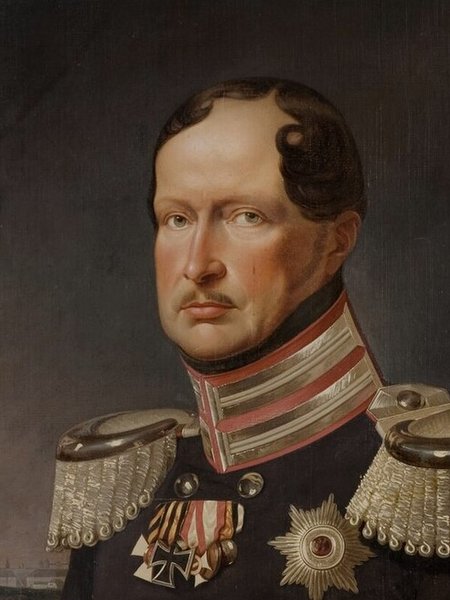 Frederick William IV of Prussia
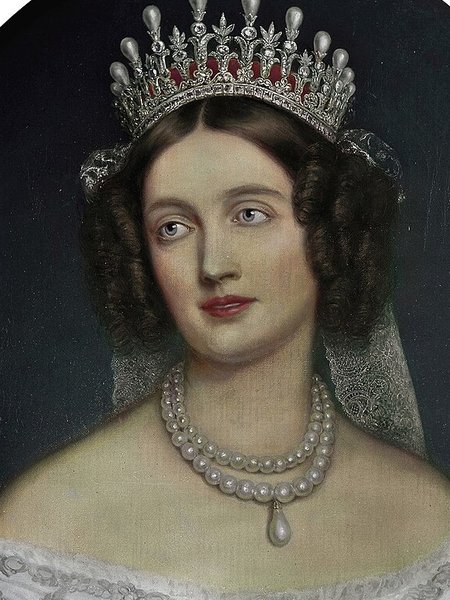 Elisabeth Ludovika of Bavaria

