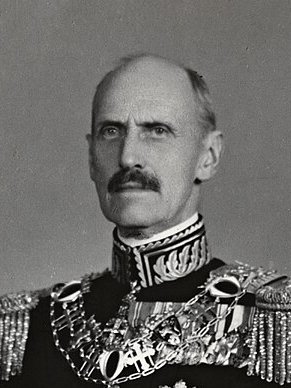
Haakon VII of Norway
August 3, 1872 – September 21, 1957
Danish-born prince who became the first king of independent Norway in 1905 and led the Norwegian resistance from London in the Second World War.
Biography
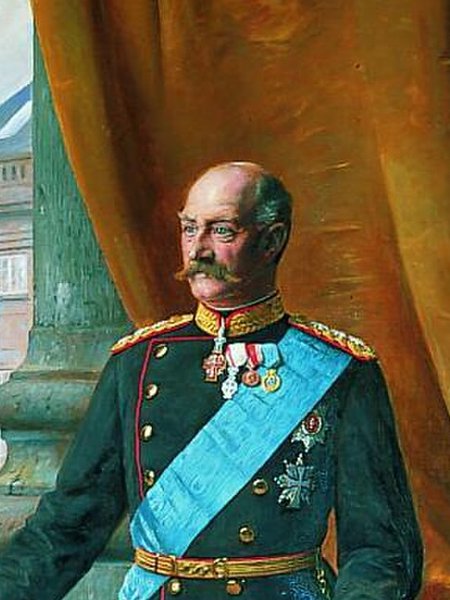
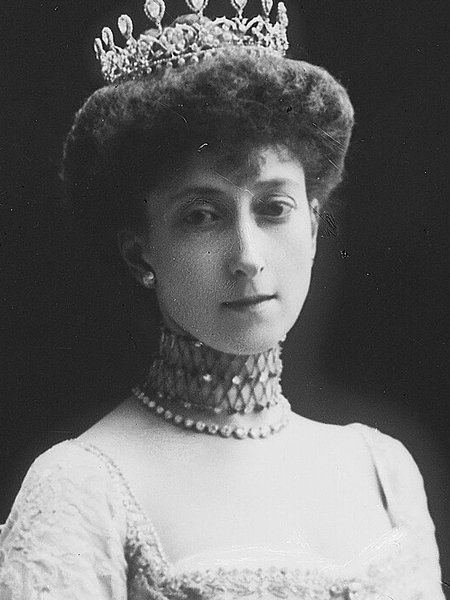
Prince Carl of Denmark was born at Charlottenlund Palace in 1872, the second son of the future King Frederick VIII of Denmark and Louise of Sweden. He trained at the Royal Danish Naval Academy from 1889 to 1893 and served as a Danish naval officer until 1905. In 1896 he married his cousin Princess Maud of Wales; their only child, Olav, was born in 1903.
When Norway ended its union with Sweden in 1905, the Norwegian government offered him the crown. He made acceptance depend on a referendum, and after Norwegians voted for a monarchy the Storting elected him king on 18 November 1905. He took the name Haakon VII, was crowned in 1906 and, though the constitution gave the king real powers, largely kept to a representative role.
After Germany invaded in April 1940, Haakon told his ministers at Nybergsund that he would abdicate rather than appoint Vidkun Quisling's government, and the cabinet rejected the German ultimatum. He escaped a bombing raid on Nybergsund, moved north to Tromsø and in June was evacuated to Britain, where the government in exile was formed. His radio broadcasts and the H7 monogram became symbols of the resistance, and he refused the Storting's request under duress that he abdicate.
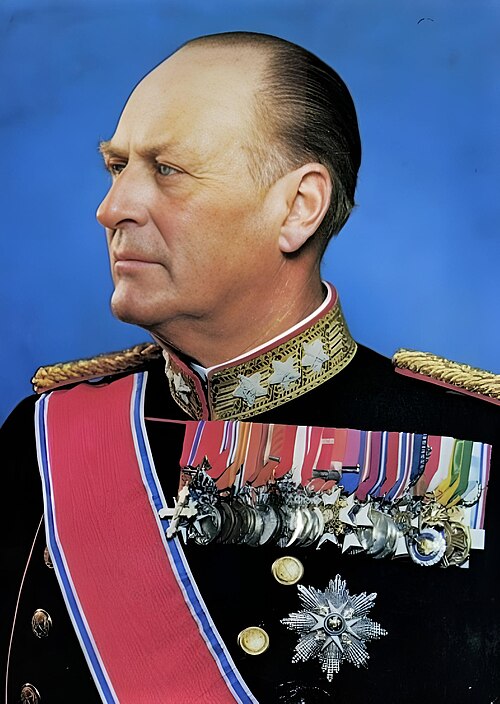
Haakon returned to Oslo on 7 June 1945. A fall in 1955 left him using a wheelchair, Crown Prince Olav took over as regent, and the king died in 1957.
Offices held
Affiliations
Education
- Jan 1, 1889 – Jan 1, 1893 Royal Danish Naval Academy naval cadet, graduated as second lieutenant


_(cropped).jpg)