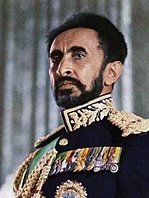
Haile Selassie
July 23, 1892 – August 27, 1975
Emperor of Ethiopia from 1930 to 1974. He led resistance to the Italian invasion of 1935 and was deposed by the Derg.
Biography
Born Tafari Makonnen in 1892 at Ejersa Goro in Hararghe, the son of Ras Makonnen, he became regent and heir to the throne under Empress Zewditu in 1916. He was crowned emperor in 1930 and took the name Haile Selassie. Seeking to modernise the country, he granted Ethiopia's first written constitution in 1931 and later abolished slavery.
When Fascist Italy invaded in 1935 he led the resistance, and after the defeat he went into exile in Britain, appealing to the League of Nations for help. He returned to power in 1941 after British and Ethiopian forces drove the Italians out during the Second World War.
He brought Ethiopia into the United Nations and absorbed Eritrea, ending the UN-created federation and fighting the resulting independence movement. In 1963 he presided over the founding of the Organisation of African Unity and was its first chairman. At home his rule was autocratic; he survived a coup attempt by the Imperial Guard in 1960 and faced criticism for slow reform and the treatment of minority peoples.
Amid famine and unrest, the Derg military junta deposed him on 12 September 1974. He died in custody in August 1975; it was later revealed that he had been killed on the junta's orders. Rastafari adherents revere him as a divine figure.
Offices held
Zewditu Succeeded by
Victor Emmanuel III of Italy
Family
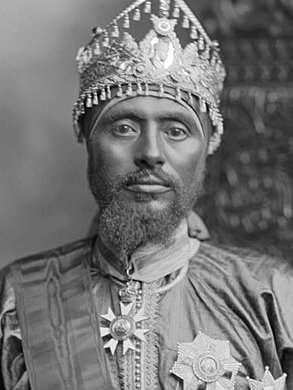 Haile Selassie


