Biography
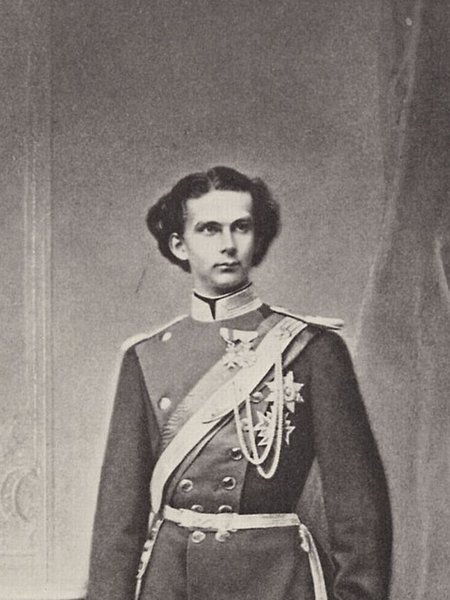
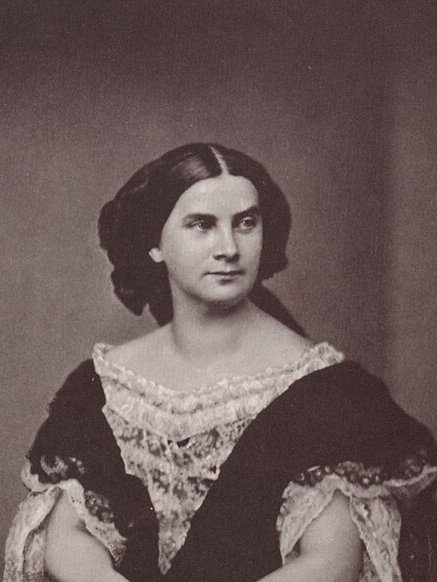
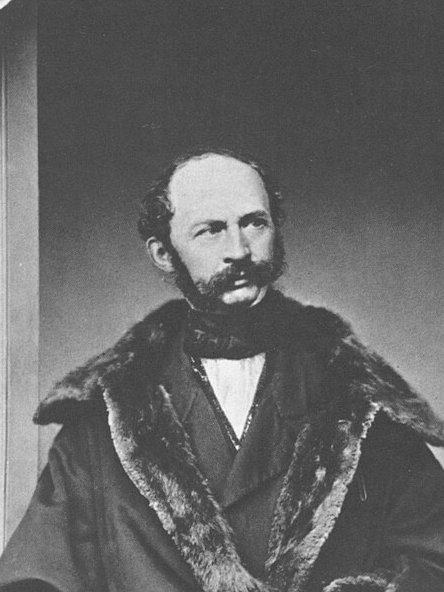
Ludwig was born at Nymphenburg Palace in 1845, the elder son of Crown Prince Maximilian of Bavaria and Marie of Prussia, and was raised under a strict regime of tutors. He became king at 18 when his father died in March 1864.
One of his first acts was to summon Richard Wagner to Munich, and he remained the composer's devoted patron. In 1866 Bavaria sided with Austria in the Austro-Prussian War and lost, which bound it to a defensive alliance with Prussia. Bavaria fought alongside Prussia in 1870, and in December that year Ludwig, induced by financial concessions from Bismarck, wrote the Kaiserbrief proposing William I as German Emperor; he nonetheless stayed away from the proclamation at Versailles and resented Bavaria's loss of independence.
Ludwig increasingly withdrew from Munich to his country retreats, though he kept dealing with state business through his cabinet secretary. He spent his private income and heavy borrowing on Neuschwanstein, Linderhof and Herrenchiemsee, and resisted ministers who tried to rein him in.
In June 1886 his government had him declared insane and took him into custody, and on 13 June he and his doctor were found dead in Lake Starnberg. Both the insanity finding and the ruling of suicide are now questioned. His palaces are among Bavaria's most visited sights.
Offices held
Maximilian II of Bavaria Succeeded by
Otto, King of Bavaria
Family
 Ludwig II of Bavaria

