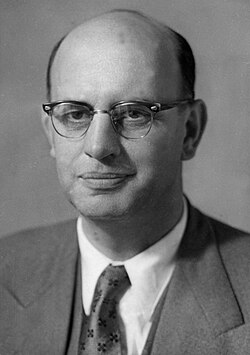
P. W. Botha
January 12, 1916 – October 31, 2006
Prime Minister (1978-1984) and then State President (1984-1989) of South Africa, who defended apartheid under rising internal revolt and sanctions.
Biography
Pieter Willem Botha was born in 1916 on a farm in the Paul Roux district of the Orange Free State into an Afrikaner nationalist family; his father had fought as a Boer commando and his mother had been held in a British concentration camp. He studied law at Grey University College in Bloemfontein from 1934 but left without a degree to work as an organiser for the National Party in the Cape. He joined the pro-German Ossewabrandwag in 1939 and broke with it in 1941.
In 1948 he was elected to parliament for George, a seat he held until 1984. He served as deputy minister of internal affairs from 1958 and from 1961 as minister of community development and coloured affairs, overseeing forced removals under the Group Areas Act, including District Six. As minister of defence from 1966 he greatly expanded the armed forces, introduced the doctrine of a 'total onslaught' against South Africa, and oversaw the start of its nuclear weapons programme and its military involvement in Angola and Namibia.
After John Vorster resigned in 1978 amid the Information Scandal, the National Party caucus chose Botha as leader and prime minister. He combined limited reforms with tighter security: his 1983 constitution, approved in a whites-only referendum, created a Tricameral Parliament with separate chambers for coloured and Indian South Africans but excluded the black majority, and turned the presidency into an executive post, which he took up in September 1984. States of emergency, security force abuses and international sanctions marked his presidency, and in his August 1985 Rubicon speech he disappointed expectations of major reform. He did, however, authorise the first government contacts with the imprisoned Nelson Mandela.
After a stroke in January 1989 he gave up the party leadership and, after clashing with his cabinet, resigned as state president in August 1989, succeeded by F. W. de Klerk. In retirement he opposed de Klerk's reforms and campaigned for a No vote in the 1992 referendum, and he refused to cooperate with the Truth and Reconciliation Commission. He died at his home in Wilderness in 2006.
Offices held
Marais Viljoen Succeeded by
F. W. de Klerk
Affiliations
Education
- from Jan 1, 1934 University of the Free State Grey University College (now the University of the Free State), law; left without a degree around age 20


