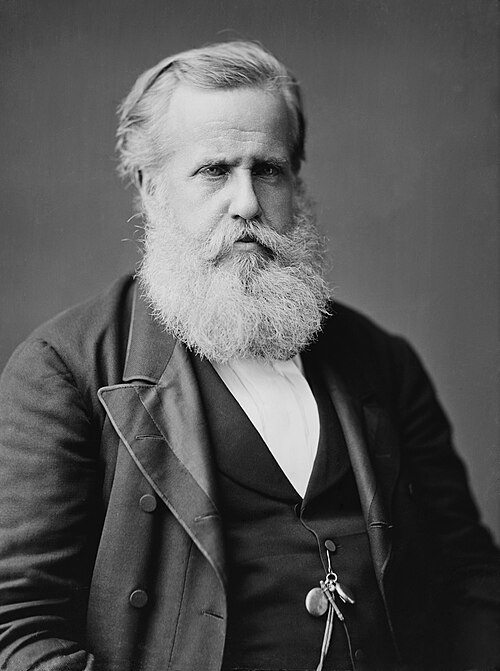
Pedro II of Brazil
December 2, 1825 – December 5, 1891
Second and last Emperor of Brazil (1831-1889). Slavery was abolished in 1888, and he was deposed by a military coup in 1889.
Biography
Pedro was born in Rio de Janeiro in 1825, the son of Emperor Pedro I and Empress Maria Leopoldina. His father's abdication in April 1831 made him emperor at the age of five, and Brazil was ruled by regents through a decade of factional disputes and provincial revolts. On 23 July 1840 parliament declared him of age at fourteen to end the regency.
His long reign gave Brazil political stability, parliamentary government, freedom of expression and economic growth. During the Christie Question with Britain in 1862 and 1863 he refused to give way, and Brazil broke off relations with Britain. Brazil also prevailed in the Platine, Uruguayan and Paraguayan wars. A patron of education, science and culture, he won a reputation abroad as a learned ruler.
He backed the abolition of slavery, which came in 1888. The next year, on 15 November 1889, a military coup with little popular support overthrew the monarchy. Pedro accepted exile rather than risk civil war and spent his last years quietly in Europe, where he died in 1891. Brazil later brought his remains home with national honours.
Offices held
Family

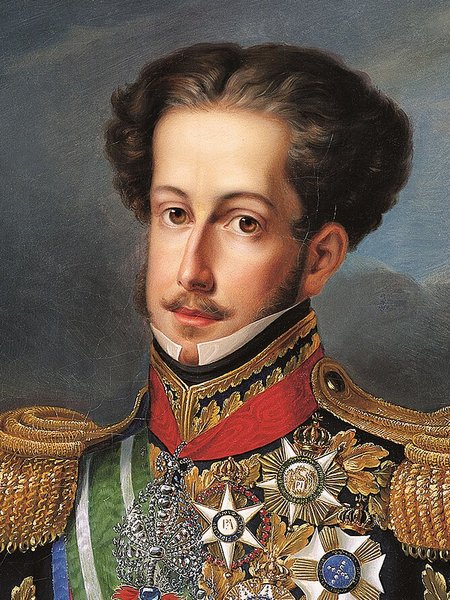 Pedro II of Brazil


