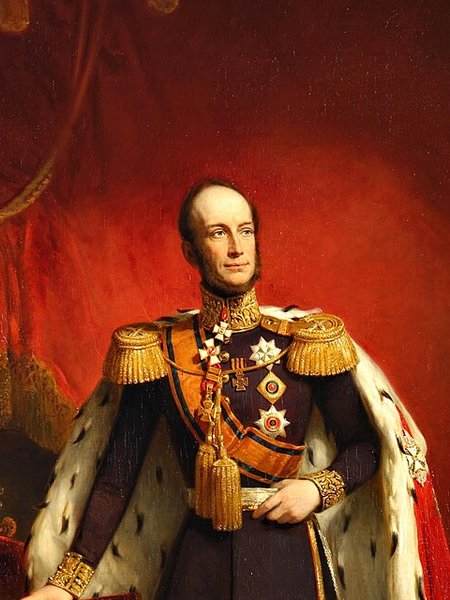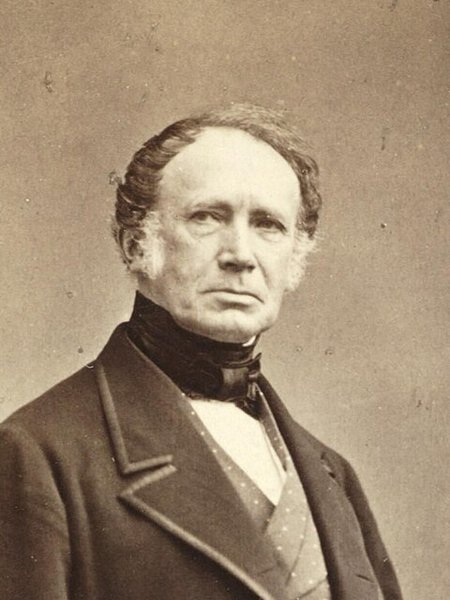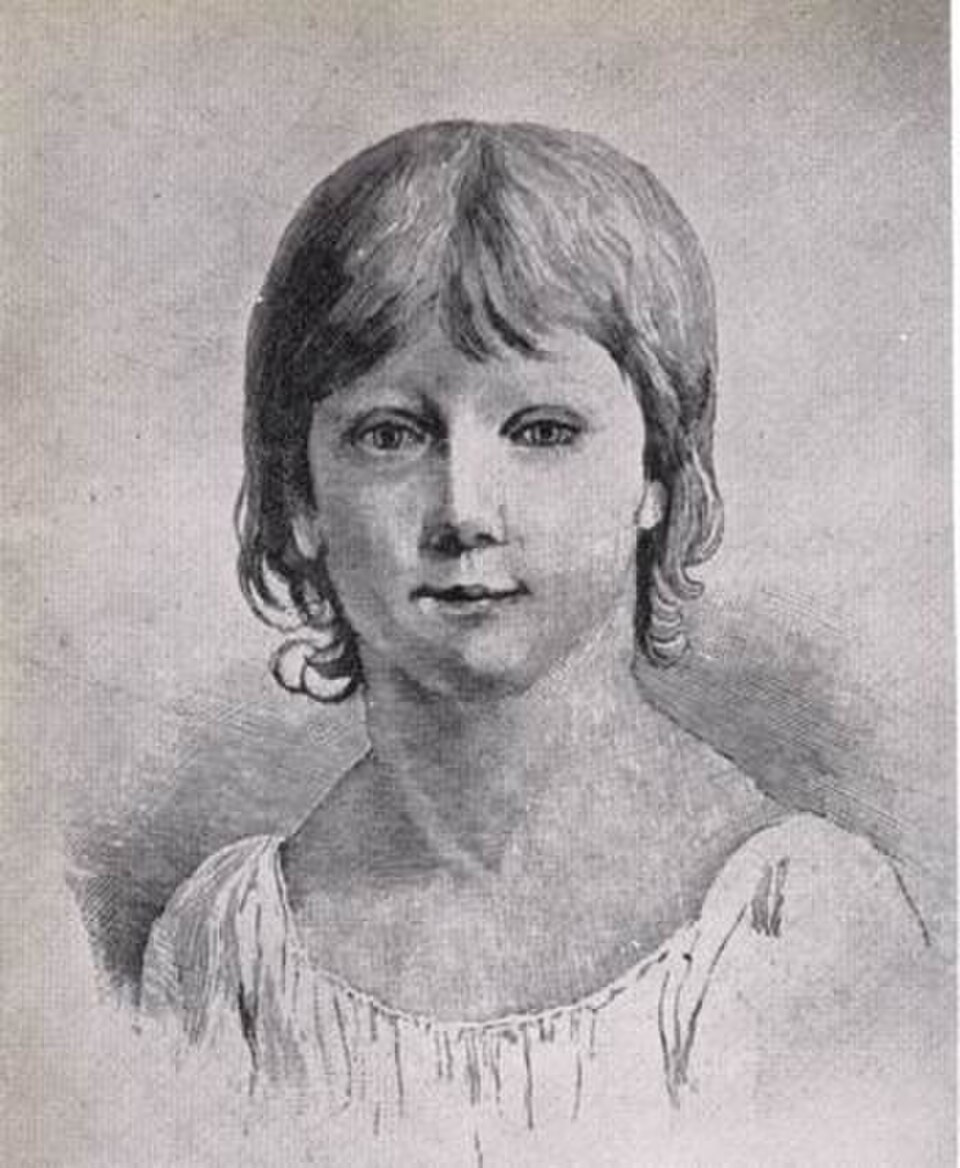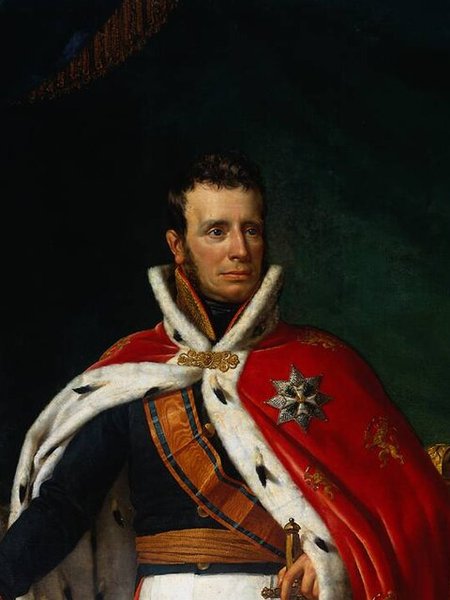
William I of the Netherlands
August 24, 1772 – December 12, 1843
King of the Netherlands and Grand Duke of Luxembourg
Biography
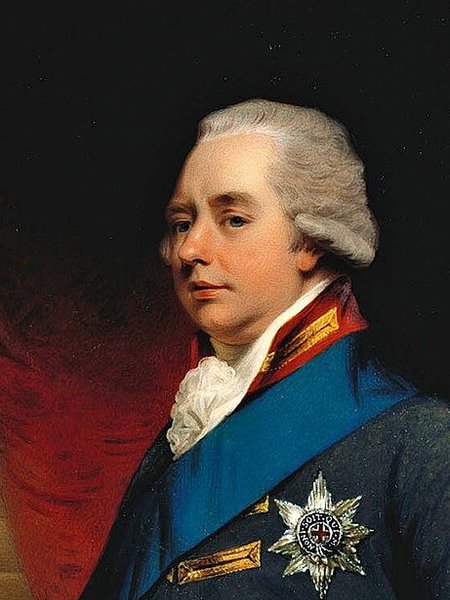
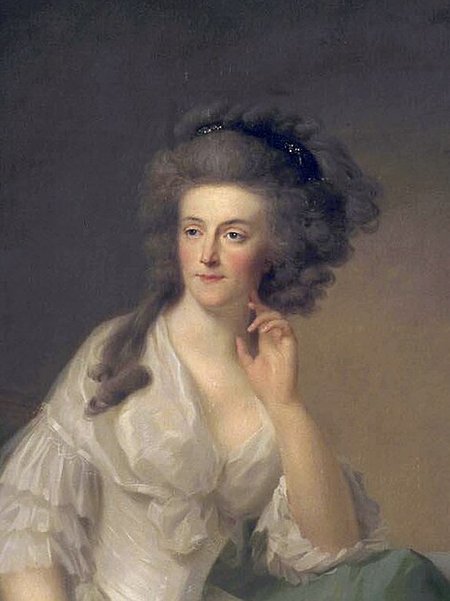
William was the eldest son of William V, Prince of Orange, the last stadtholder of the Dutch Republic, and Wilhelmina of Prussia. Tutored at home, he attended the military academy in Brunswick in 1788-1789 and studied briefly at Leiden, and in 1791 married his cousin Wilhelmina of Prussia. In the war with revolutionary France he commanded the Dutch field army in the Flanders campaign of 1793-1795, until the Batavian Revolution sent his family into exile in England.
He took part in the Anglo-Russian invasion of Holland in 1799 and in 1803 received the small Principality of Nassau-Orange-Fulda as compensation for his family's losses. Fighting for Prussia in 1806, he had to surrender his division at Erfurt and lost his principality to Napoleon; in 1809 he served on the Austrian staff at Wagram.
After Napoleon's defeat at Leipzig he landed at Scheveningen on 30 November 1813, declined the title of king and was installed as Sovereign Prince of the United Netherlands. In March 1815 he proclaimed himself King of the Netherlands, ruling the former Austrian Netherlands as well, and also became Grand Duke of Luxembourg. He governed with near-autocratic powers, promoted trade and industry and founded the universities of Leuven, Ghent and Liège.
His imposition of the Reformed faith and the Dutch language on the south, together with economic grievances, helped spark the Belgian Revolution of 1830. He could not suppress it and accepted Belgian independence in the Treaty of London of 1839. Unhappy with constitutional changes and planning to marry the Catholic Henriette d'Oultremont, he abdicated in favour of his son William II in 1840 and died in Berlin in 1843.
Offices held
Affiliations
Education
- Leiden University studied briefly, around 1789-1790
Family
 William I of the Netherlands
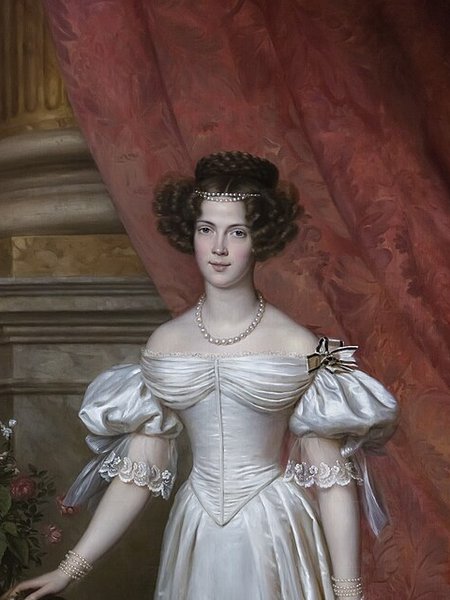
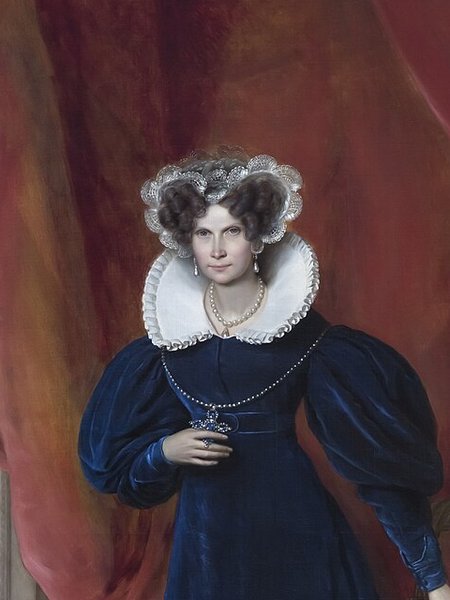 Wilhelmine of Prussia, Queen of the Netherlands