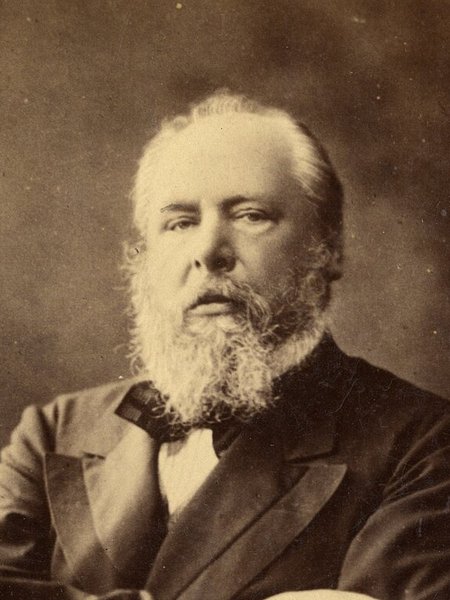
William III of the Netherlands
February 19, 1817 – November 23, 1890
King of the Netherlands and Grand Duke of Luxembourg
Biography
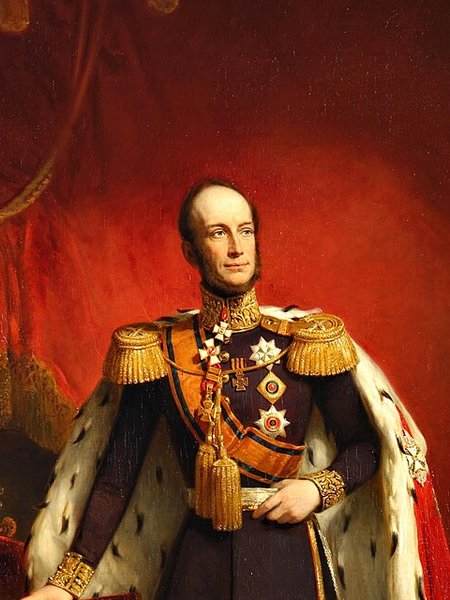
William was born in Brussels in 1817, the eldest son of the future King William II of the Netherlands and Anna Pavlovna of Russia. Raised by army officers and expected to make a military career, he served as a lieutenant in the Grenadiers and spent some time at Leiden University without taking a degree. He became Prince of Orange in 1840 and married his cousin Sophie of Wurttemberg in 1839; the marriage was unhappy and they had three sons, all of whom died before him.
He succeeded his father on 17 March 1849 as King of the Netherlands, Grand Duke of Luxembourg and Duke of Limburg. He disliked the liberal constitution of 1848 that had stripped the crown of most of its power, yet his first act was to appoint its author, Johan Rudolf Thorbecke, as head of government. After the restoration of the Catholic hierarchy in 1853 he dismissed Thorbecke, and in his first two decades he repeatedly dismissed cabinets and dissolved parliament.
In Luxembourg, which he ruled separately from the Dutch crown, he imposed a more authoritarian constitution in 1856. France's offer to buy the grand duchy in 1867 led to the Luxembourg Crisis, which was settled by the Treaty of London. His erratic temper made him feared by ministers and mocked by liberal townspeople, though he kept some popularity with ordinary people.
After Sophie died he married Emma of Waldeck and Pyrmont in 1879; their daughter Wilhelmina, born in 1880, became heir in 1884. William fell ill in his last years, and he died at Het Loo Palace in 1890 after a reign of 41 years. Wilhelmina succeeded him in the Netherlands, while Luxembourg passed to Adolphe of Nassau.
Offices held
William II of the Netherlands Succeeded by
Wilhelmina of the Netherlands
William II of the Netherlands Succeeded by
Adolphe, Grand Duke of Luxembourg
Affiliations
Education
- Leiden University Studied at Leiden University in the 1830s without taking a degree
Family
 William III of the Netherlands
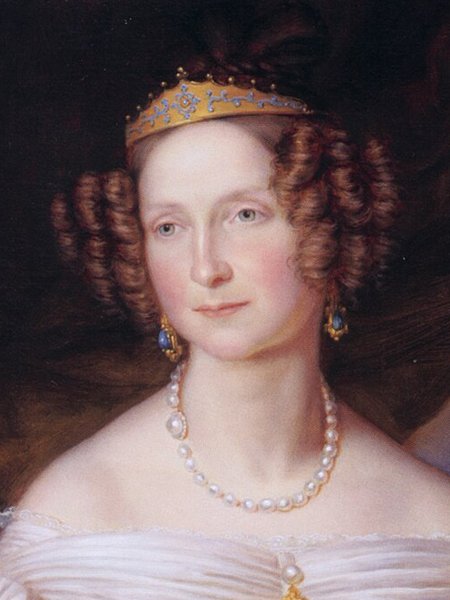
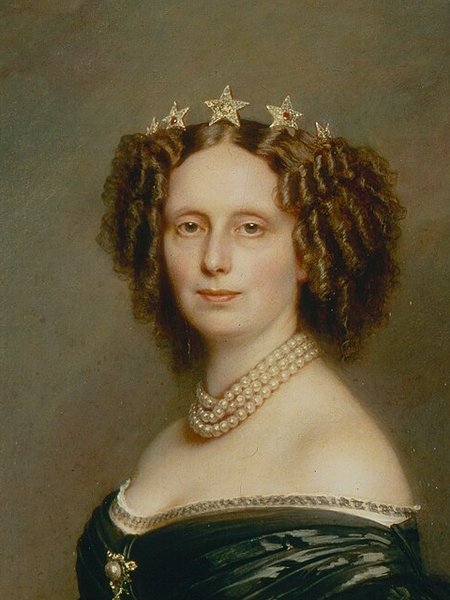 Sophie of Württemberg