 French Revolution
May 5, 1789 – November 9, 1799
Revolution that overthrew the French monarchy, abolished feudal privilege and made France a republic. It spread ideas of popular sovereignty and rights across Europe and ended with Napoleon's coup in 1799.
Battles and events 18
July 14, 1789
August 26, 1789
October 5–6, 1789
August 5–30, 1790
Nancy affair
Nancy
July 17, 1791
October 1791
Massacres of La Glacière
Palais des Papes
June 20, 1792
August 10, 1792
September 2–7, 1792
September Massacres
Prison de l'Abbaye
January 21, 1793
September 5, 1793 – July 28, 1794
1794 – 1800
Chouannerie
Brittany
1795
May 20, 1795
October 5, 1795
13 Vendémiaire
Paris
September 4, 1797
Coup of 18 Fructidor
Tuileries Palace
June 17–18, 1799
Coup of 30 Prairial VII
Paris
November 9–10, 1799
Key commanders
Civilian insurgents and allies 2
Other 8
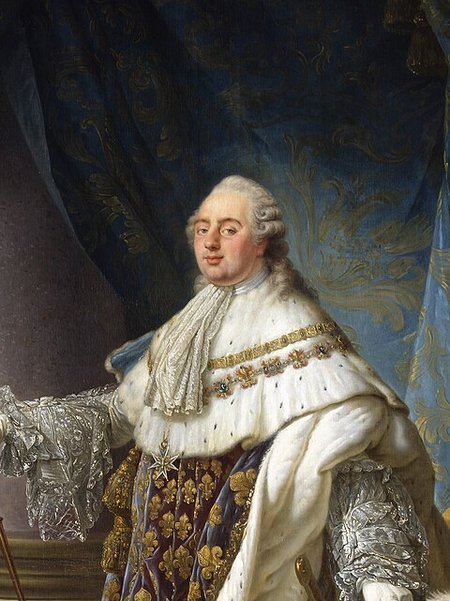 Louis XVI
King of France, Called the Estates-General; deposed in 1792 and executed in 1793
 Marie Antoinette
Queen of France, Symbol of the old regime; executed in October 1793
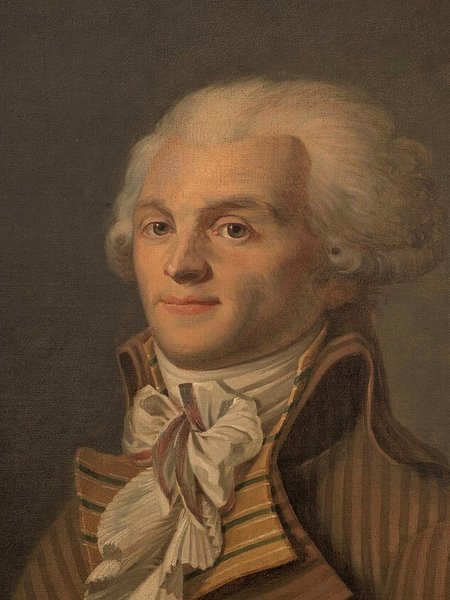 Maximilien Robespierre
Member of the Committee of Public Safety, Leading Jacobin and the dominant figure of the Terror
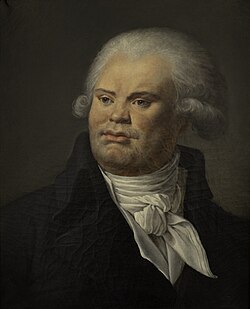 Georges Danton
Minister of Justice, Rallied Paris in 1792 and led the early Committee of Public Safety
 Louis Antoine de Saint-Just
leader, member of the Committee of Public Safety
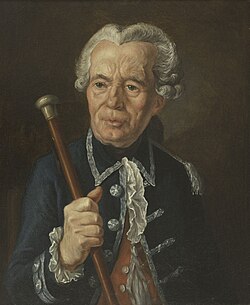 Bernard-René Jourdan de Launay
military commander
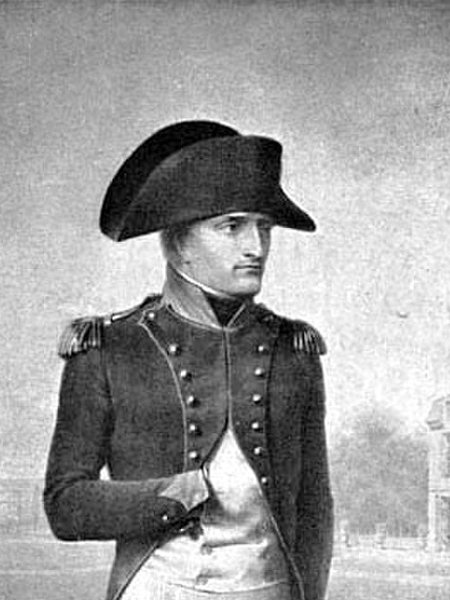 Napoleon
General, Led the coup and became First Consul
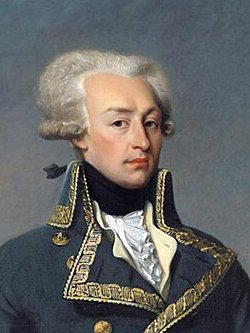 Marquis de Lafayette
participant, Drafted the first version