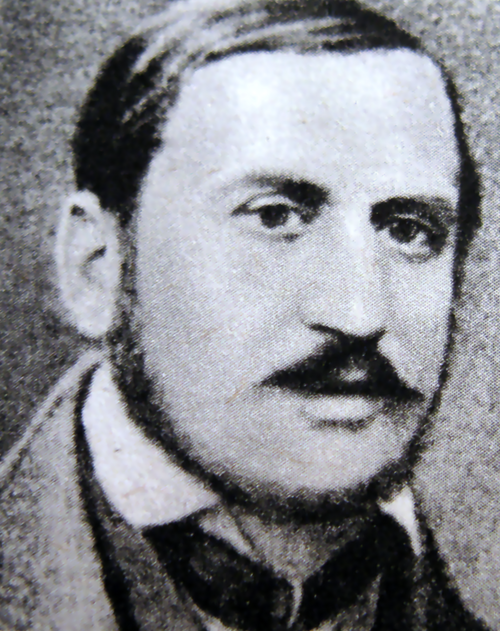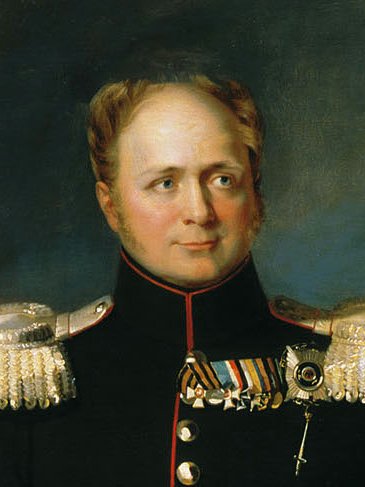
Alexander I of Russia
December 23, 1777 – December 1, 1825
Emperor of Russia from 1801 to 1825. He led Russia against Napoleon, whose 1812 invasion failed, and was a central figure at the Congress of Vienna.
Biography
Alexander was born in Saint Petersburg in 1777, the eldest son of the future Paul I, and was raised largely by his grandmother Catherine the Great, who gave him the Swiss republican Frédéric-César de La Harpe as tutor. He came to the throne in March 1801 when his father was murdered by conspirators; how much he knew of the plot is still debated.
His early reign was marked by reforming ambitions. A circle of young friends drafted plans for change, the old colleges were replaced by ministries, new universities were founded, and Mikhail Speransky drew up proposals for a constitutional order that were never carried through. Abroad he joined the Third Coalition against Napoleon, but after defeats at Austerlitz and Friedland he made peace and an alliance with France at Tilsit in 1807, met Napoleon again at Erfurt in 1808, and took Finland from Sweden in 1809, granting it autonomy at the Diet of Porvoo.
The alliance broke down, and Napoleon's invasion of Russia in 1812 ended in disaster for the French. Alexander then led Russia through the campaigns of 1813 and 1814 into Paris and played a central part at the Congress of Vienna, which made him king of a restored Kingdom of Poland. In 1815 he sponsored the Holy Alliance of Christian monarchs.
In his later years he grew more religious and conservative, abandoning earlier reforms, supporting the suppression of revolutions through the congress system and relying on Aleksey Arakcheyev and his military settlements. He died of typhus at Taganrog in December 1825; the confusion over his succession helped set off the Decembrist revolt.
Offices held
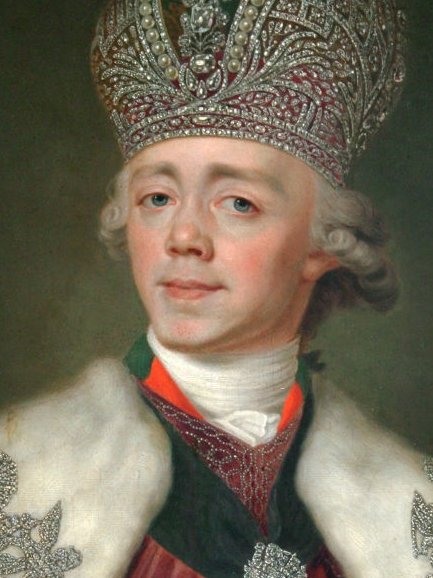
Paul I of Russia Succeeded by
Nicholas I of Russia
Family
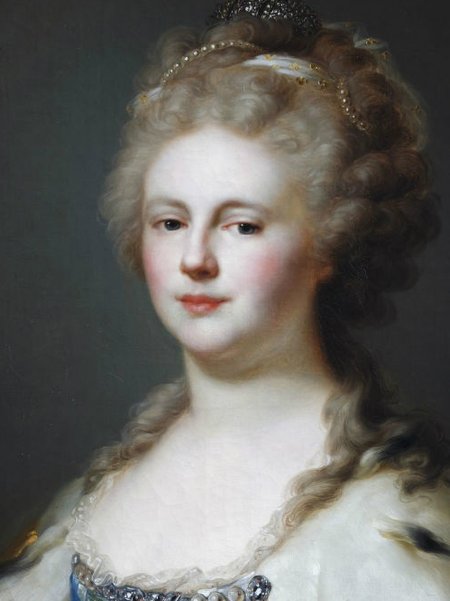 Alexander I of Russia
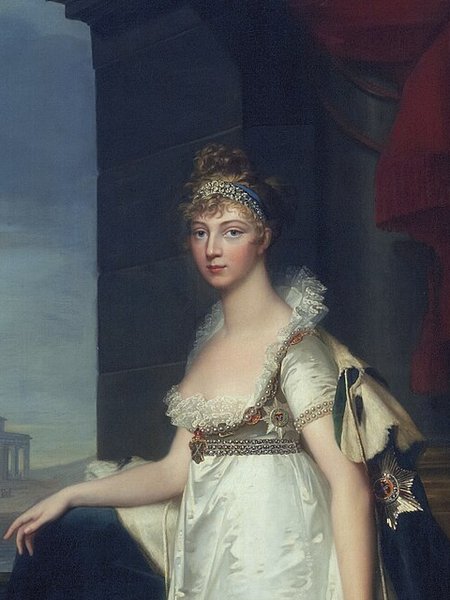 Elizabeth Alexeievna (Louise of Baden)