Biography
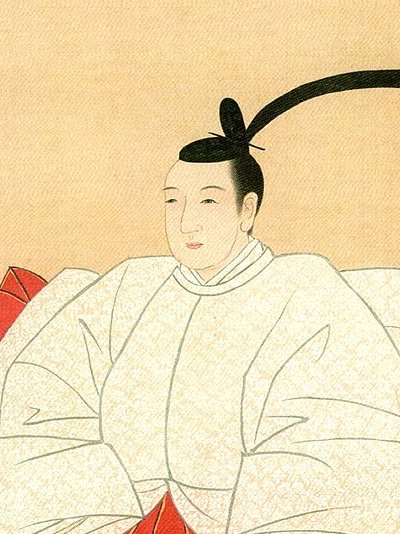
Emperor Kōkaku, born Prince Morohito in Kyoto in 1771, was the sixth son of Sukehito, Prince Kan'in, head of a cadet branch of the imperial family, and was expected to enter the priesthood. When Emperor Go-Momozono lay dying without an heir in 1779, he hastily adopted the boy, who succeeded him and was enthroned as the 119th emperor.
Kōkaku sought to restore some of the court's standing against the Tokugawa shogunate. His relief efforts during the Great Tenmei famine of the 1780s drew public attention to the throne and away from the shogunate's failings, and he revived old court ceremonies and kept himself informed on foreign affairs and currency. He married Go-Momozono's daughter Yoshiko, and in 1789 clashed with the shogunate in the Songō incident over his wish to give his father the title of retired emperor. His reign coincided with the shogunate's Kansei Reforms and with the 1788 fire that destroyed the Kyoto palace.
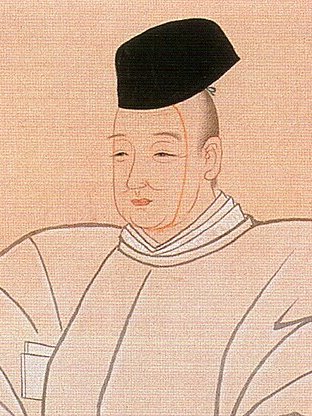
In 1817 he abdicated in favour of his son, Emperor Ninkō, and lived on as a retired emperor at the Sentō Palace until his death in 1840. He was the last Japanese monarch to abdicate until Akihito in 2019, and every later emperor descends from him.
Offices held
Family
Emperor Kōkaku
Princess Yoshiko (consort of Kōkaku)