Biography
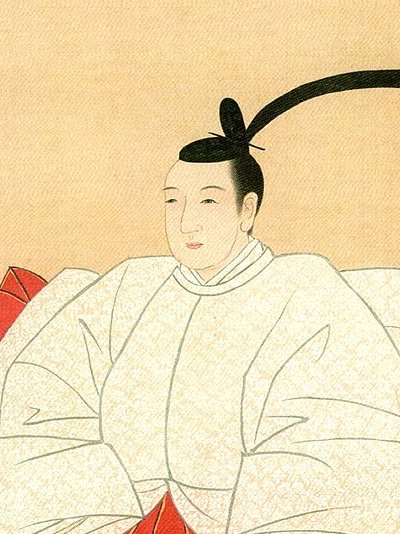
Emperor Ninkō was the 120th emperor of Japan in the traditional count, reigning from 1817 until his death in 1846. He was the fourth son of Emperor Kōkaku and was proclaimed crown prince in 1809.
He came to the throne when his father abdicated in 1817, at a time when real power lay with the Tokugawa shogunate. During his reign the Tenpō famine and other disasters undermined confidence in the shogun's government, and in 1837 Ōshio Heihachirō led an uprising in Osaka.
Ninkō is remembered for setting up the Gakushūsho, a school for the court nobility just outside the Imperial Palace in Kyoto and the forerunner of the Gakushūin. He was succeeded by his son, who became Emperor Kōmei.
Offices held
Family
Timeline
1801
1805
1809
1813
1817
1821
1825
1829
1833
1837
1841
1845