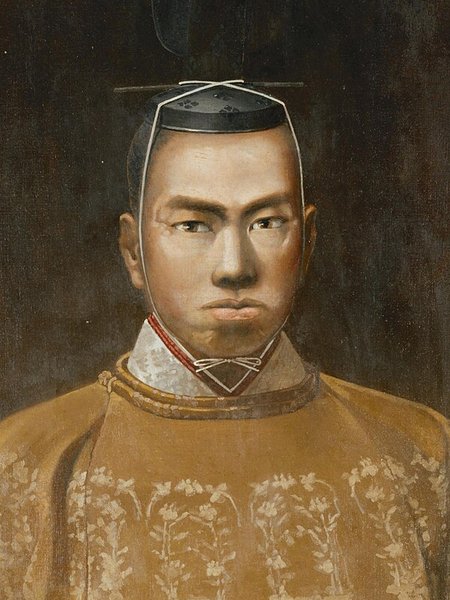
Biography
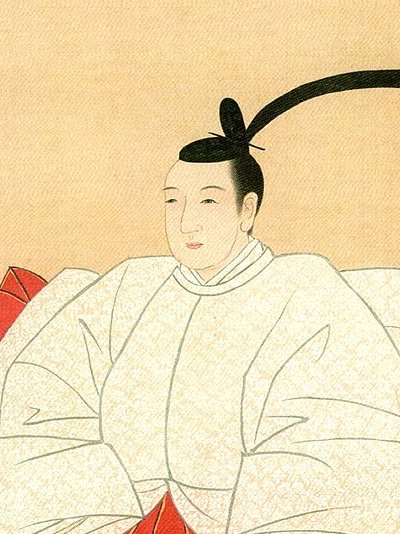
Osahito, later Emperor Kōmei, was born in Kyoto in 1831, the fourth son of Emperor Ninkō, and succeeded his father on 10 March 1846 as the 121st emperor in the traditional count. His reign covered the last decades of the Tokugawa shogunate, when real power lay with the shogun in Edo and the court in Kyoto had mainly symbolic authority.
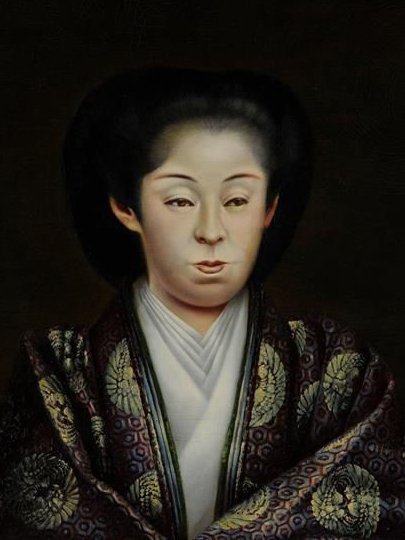
The arrival of Commodore Perry in 1853 and the forced opening of Japan changed that balance. When the shogunate sought imperial approval for the 1858 Harris treaty with the United States, Kōmei, who was strongly hostile to foreigners, at first refused and only gave way in 1859. Treaties were signed without his sanction, he twice threatened to abdicate in protest, and he began to intervene in politics, including the shogunal succession. His sister Kazu-no-Miya was married to Shogun Tokugawa Iemochi to bind court and shogunate together.
In 1863 he issued the order to expel the barbarians. The shogunate had no intention of enforcing it, but it encouraged attacks on foreigners and led to Western bombardments of Shimonoseki and Kagoshima. Kōmei died suddenly in January 1867, officially of smallpox, amid rumours of assassination for which there is no evidence. His son succeeded him as Emperor Meiji, and the shogunate fell soon afterwards.