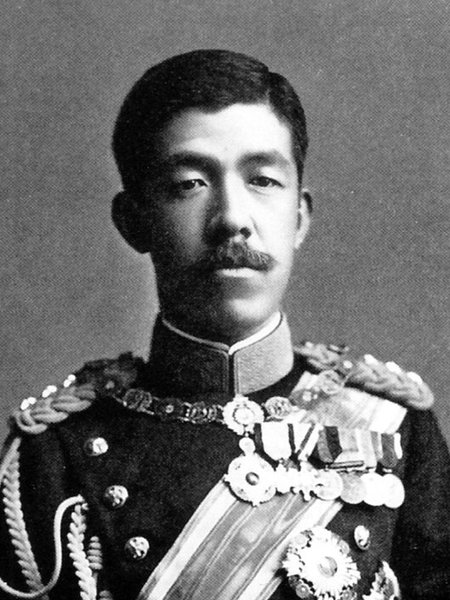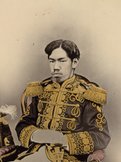
Emperor Meiji
November 3, 1852 – July 30, 1912
Emperor Meiji (1852–1912), personal name Mutsuhito, was emperor of Japan from 1867 until his death. The Meiji Restoration of 1868 proclaimed the Empire of Japan, and during his reign Japan transformed from a feudal state under the Tokugawa shogunate into a major imperial power.
Biography
Mutsuhito was born in Kyoto in 1852, the son of Emperor Kōmei and a court lady, at a time when the Tokugawa shogunate held real power and the imperial court lived in seclusion. His childhood coincided with the arrival of Commodore Perry's ships and the political crisis over the opening of Japan. He was proclaimed crown prince in 1860 and succeeded his father at the age of fourteen in early 1867.
Within a year the last shogun had resigned, and in January 1868 the young emperor proclaimed the restoration of imperial rule. He was presented with the Charter Oath in April 1868, renamed Edo as Tokyo, was crowned in Kyoto and adopted Meiji as the single era name of his reign. Supporters of the shogunate were defeated in the Boshin War by 1869, the feudal domains were abolished in 1871, and most samurai privileges were removed.
His reign saw Japan's rapid transformation into an industrial state with a cabinet, the constitution of 1889, an elected Diet, a conscript army, and imperial rescripts to soldiers and sailors and on education issued in his name. Victories over China in 1895 and Russia in 1905 made Japan a great power, and Taiwan and Korea were annexed. Historians still disagree over how much personal power he held over the oligarchs who governed in his name. He died in Tokyo in July 1912 and was succeeded by his son, the Taishō Emperor.
Offices held
Family
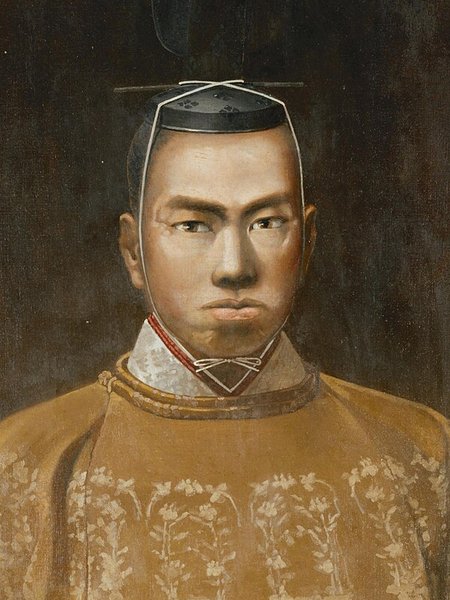
 Emperor Meiji
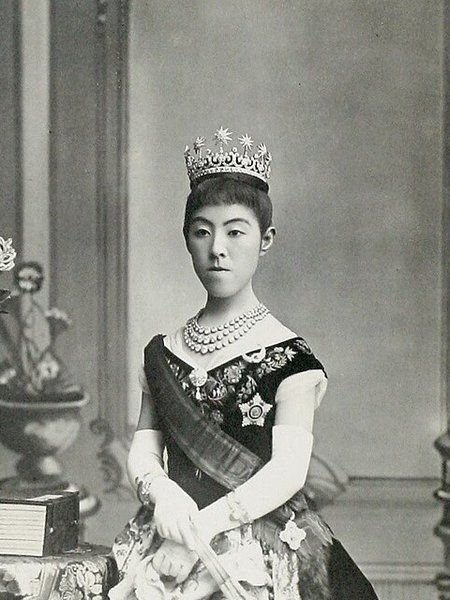 Empress Shōken