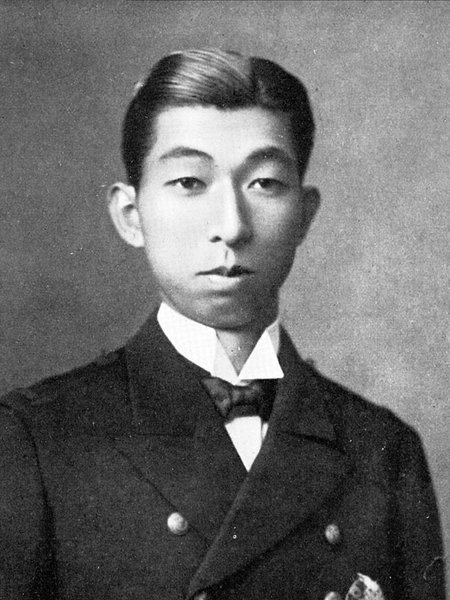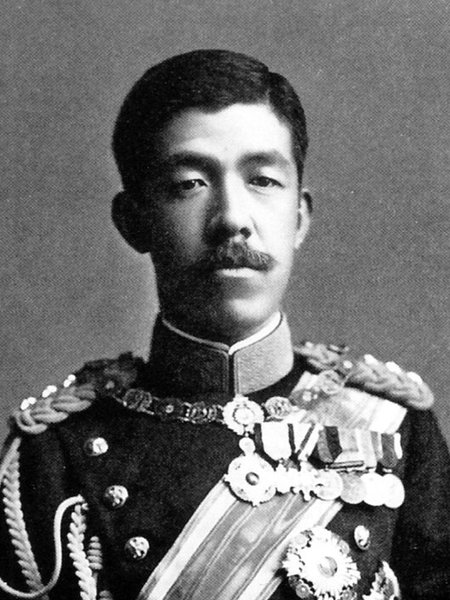
Emperor Taishō
August 31, 1879 – December 25, 1926
Emperor of Japan from 1912 to 1926, whose reign gave its name to the era of Taishō Democracy.
Biography
Yoshihito was born in 1879, the son of Emperor Meiji and his concubine Yanagiwara Naruko, and was proclaimed crown prince in 1888 after his two elder siblings died in infancy. He caught meningitis soon after birth and was often ill as a child. In 1900 he married Sadako Kujō, with whom he had four sons, and in 1907 he toured Korea, the first Japanese heir to travel abroad.
He became emperor in July 1912 on the death of his father. His reign saw a shift toward party politics and liberal democracy known as Taishō Democracy, Japan's participation in the First World War on the Allied side, the Spanish flu epidemic and the Great Kantō earthquake of 1923.
Neurological illness kept him from much of public life, and he undertook no official duties after 1919. His eldest son, Crown Prince Hirohito, became regent in 1921. Yoshihito died at the Hayama Imperial Villa in December 1926, aged 47, and Hirohito succeeded him.
Offices held
Military service
Family
 Emperor Taishō
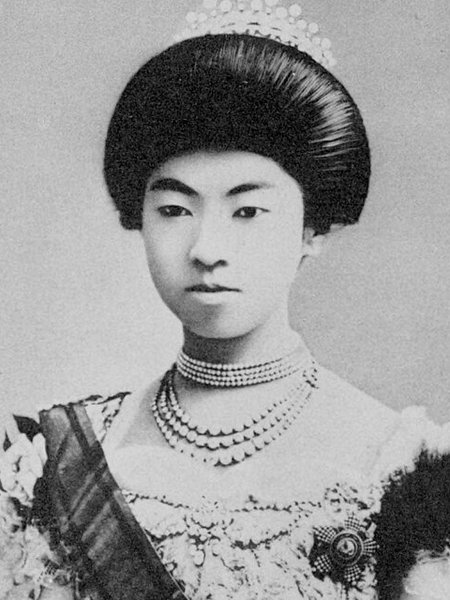 Empress Teimei