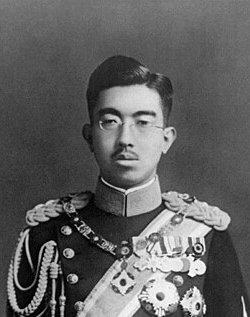
Hirohito
April 29, 1901 – January 7, 1989
Emperor Showa, personal name Hirohito, was Emperor of Japan from 1926 until his death in 1989. His 62-year reign was the longest in Japanese history; it encompassed Japanese militarism, entry into World War II, and his August 1945 announcement of Japan's surrender to the Allies. Under Allied pressure he issued the Humanity Declaration in January 1946 rejecting the divinity of the emperor, and his postwar reign coincided with the Japanese economic miracle.
Biography
Hirohito became regent for his ill father in 1921 and emperor in 1926, taking the reign name Shōwa. His reign saw Japan's growing militarism, the invasion of Manchuria in 1931 and the war with China from 1937.
Japan entered the Second World War against the United States and Britain in December 1941. After the atomic bombings and the Soviet declaration of war in August 1945, he broke a deadlock in the government and announced Japan's surrender in a radio broadcast. His degree of responsibility for the war remains debated.
The American occupation kept him on the throne but not on trial. Under the 1947 constitution he became a symbol of the state with no political power, and in 1946 he renounced claims to divinity. He reigned until his death in 1989, the longest reign of any Japanese emperor.
Offices held
Military service
- Imperial Japanese Navy Commander
- Imperial Japanese Army Commander
Family
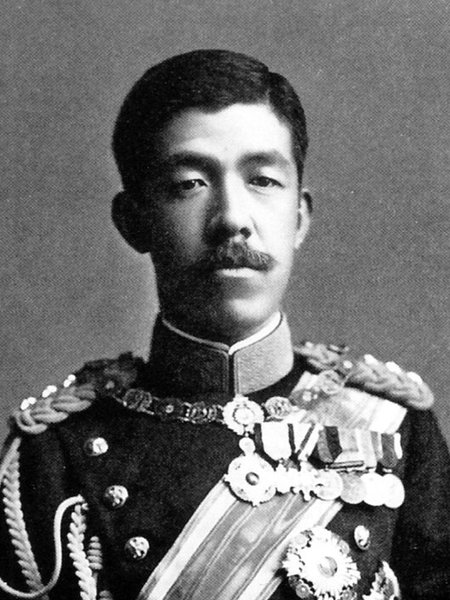 Hirohito
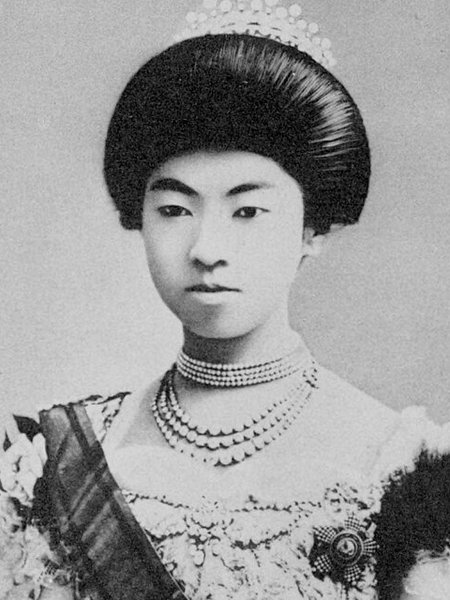
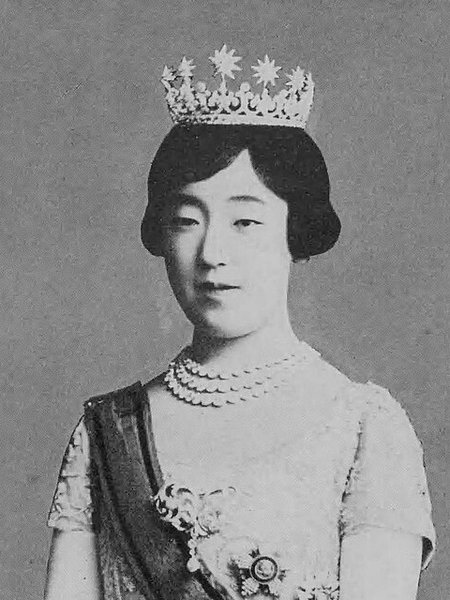 Empress Nagako