 Atomic bombings of Hiroshima and Nagasaki
August 6–9, 1945 · Hiroshima, Nagasaki
On 6 and 9 August 1945 the United States detonated two atomic bombs over Hiroshima and Nagasaki, killing 150,000 to 246,000 people, most civilians: the first and only nuclear weapons used in armed conflict. The Manhattan Project bombs, Little Boy (uranium gun-type) and Fat Man (plutonium implosion-type), were dropped by the 509th Composite Group of the U.S. Army Air Forces.
Key people
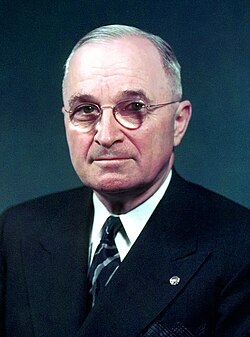 Harry S. Truman
President of the United States, Ordered the atomic bombings · Allies
Harry S. Truman
President of the United States, Ordered the atomic bombings · Allies
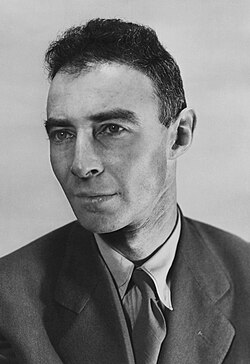 J. Robert Oppenheimer
scientist, Directed the Los Alamos laboratory that built the bombs
J. Robert Oppenheimer
scientist, Directed the Los Alamos laboratory that built the bombs
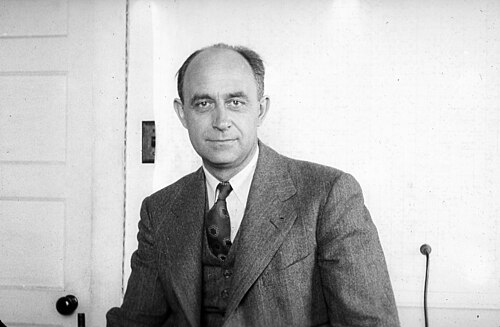 Enrico Fermi
scientist, Manhattan Project physicist; built the first reactor
Enrico Fermi
scientist, Manhattan Project physicist; built the first reactor
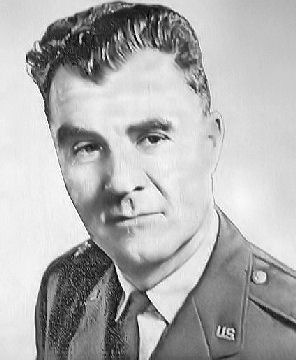 Paul Tibbets
participant, piloted the Enola Gay over Hiroshima · Allies
Paul Tibbets
participant, piloted the Enola Gay over Hiroshima · Allies
Participants
-
 United States
Allies
United States
Allies
-
 Japan
Axis
Japan
Axis
Battles and events 2
- Atomic bombing of Hiroshima August 6, 1945
- Atomic bombing of Nagasaki August 9, 1945
Before and after
- Followed from
- Manhattan Project August 13, 1942 – January 1, 1947
- Led to
- Surrender of Japan September 2, 1945
Related events
1943
1944
1945
1946
1947

 Atomic bombings of Hiroshima and Nagasaki
