 Second Opium War
October 8, 1856 – October 24, 1860 · Canton (Guangzhou)
Result Allied victory
War from 1856 to 1860 between Britain and France against China's Qing dynasty, also known as the Arrow War. It began after Qing officials seized the British-registered ship Arrow and escalated into an Anglo-French advance on Beijing that burned the Old Summer Palace; the Convention of Peking of 24 October 1860 legalized the opium trade and ceded the Kowloon Peninsula to Britain.
United Kingdom and France
Qing China
Other
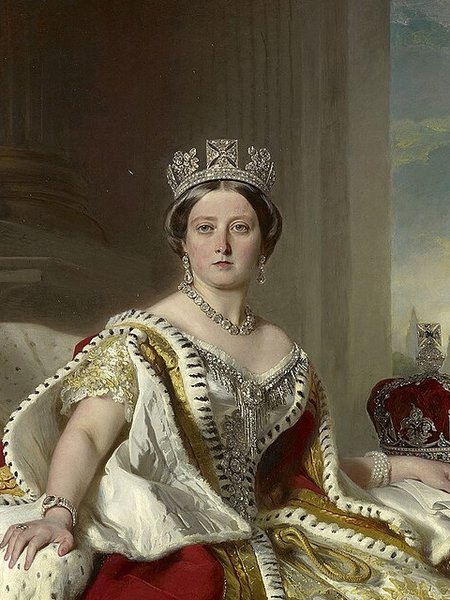 Queen Victoria
belligerent leader
Queen Victoria
belligerent leader
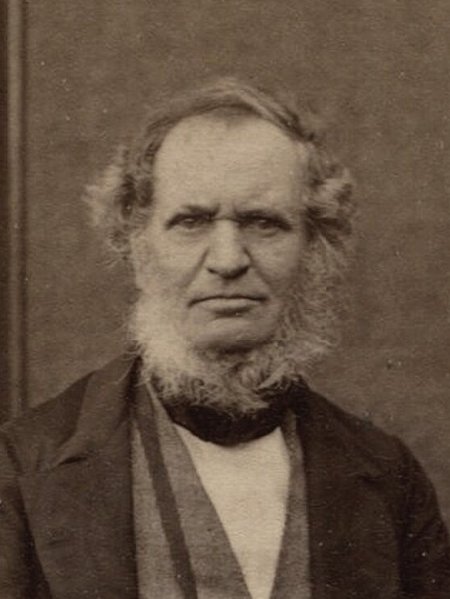 Edward Smith-Stanley, 14th Earl of Derby
belligerent leader
Edward Smith-Stanley, 14th Earl of Derby
belligerent leader
 Henry John Temple, 3rd Viscount Palmerston
belligerent leader
Henry John Temple, 3rd Viscount Palmerston
belligerent leader
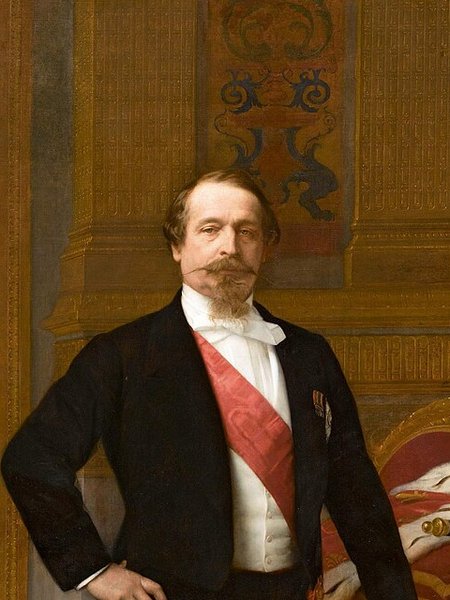 Napoleon III
belligerent leader
Napoleon III
belligerent leader
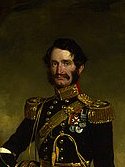 James Hope Grant
belligerent leader
James Hope Grant
belligerent leader
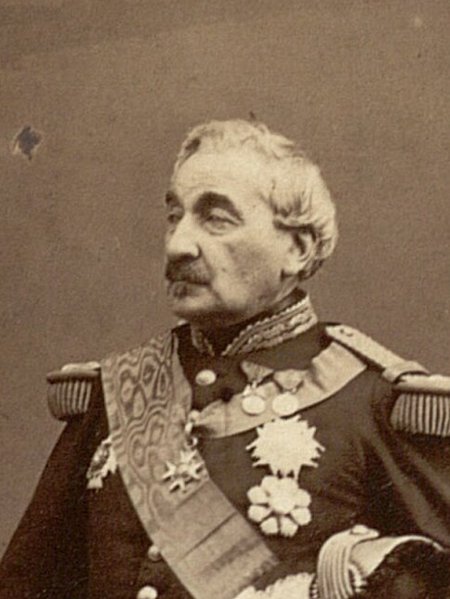 Charles Cousin-Montauban
belligerent leader
Charles Cousin-Montauban
belligerent leader
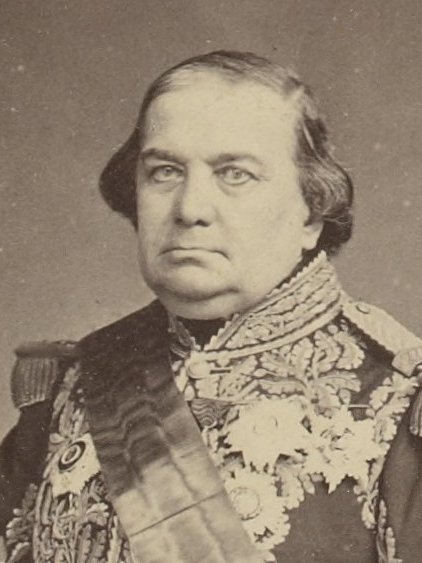 Charles Rigault de Genouilly
military commander
Charles Rigault de Genouilly
military commander
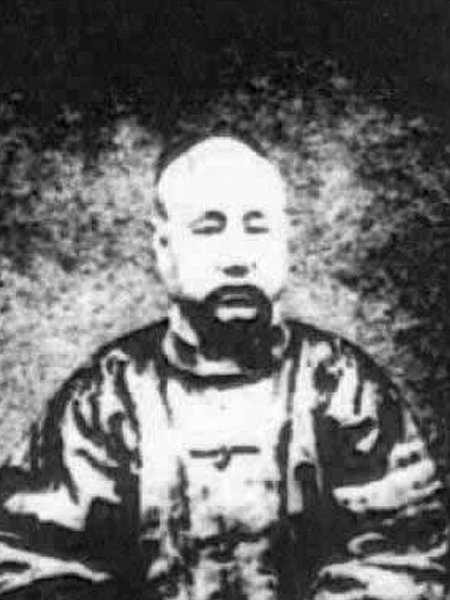
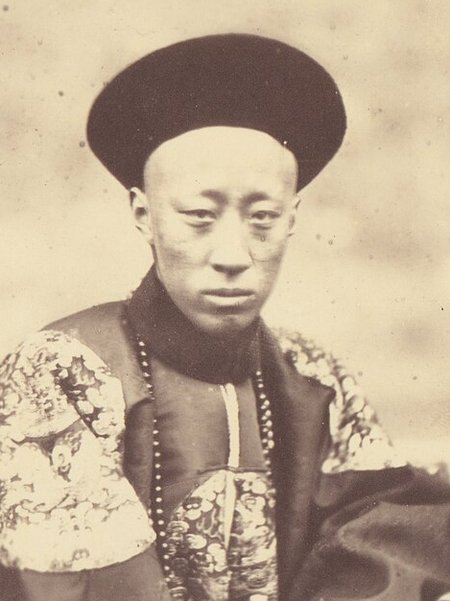
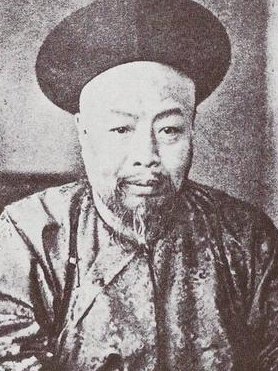
Strength and losses
United States Killed 11 · Wounded 23
United Kingdom Killed c. 200
France Killed c. 100
- Killed
- c. 3,300
Battles and events 8
- Battle of the Barrier Forts November 16–24, 1856 · American victory
- Battle of Canton (1857) December 28–31, 1857 · Franco-British victory
- Battle of Taku Forts (1858) May 20, 1858 · Anglo-French victory
- Treaty of Tientsin June 1858
- Battle of Taku Forts (1859) June 24–26, 1859 · Qing victory
- Battle of Taku Forts (1860) August 12–21, 1860 · Franco-British victory
- Battle of Zhangjiawan September 18, 1860 · Franco-British victory
- Battle of Palikao September 21, 1860 · Franco-British victory
Before and after
- Followed from
- First Opium War September 4, 1839 – August 29, 1842
- Ended by
- Convention of Peking October 18, 1860
Related events
1840
1844
1848
1852
1856
1860
1864
1868
1872
1876
1880
1884
1888
1892
 Second Opium War
