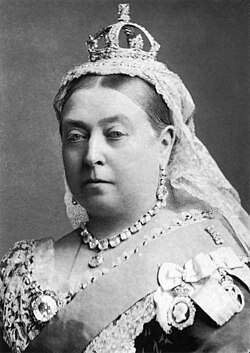
Queen Victoria
May 24, 1819 – January 22, 1901
Victoria (1819–1901) was Queen of the United Kingdom of Great Britain and Ireland from 1837 until her death. Her reign of 63 years defined the Victorian era, a period of industrial, political, scientific, and military change marked by great expansion of the British Empire. In 1876 Parliament granted her the additional title of Empress of India.
Biography
Victoria was born in 1819, the only child of Prince Edward, Duke of Kent. She became queen in 1837 at the age of 18, on the death of her uncle William IV. In 1840 she married her cousin Prince Albert of Saxe-Coburg and Gotha, who became her closest adviser; they had nine children.
Her reign of almost 64 years saw Britain become the leading industrial and imperial power of the world. The monarchy lost most of its political power to Parliament and the prime ministers, but Victoria kept a strong interest in politics and foreign affairs.
After Albert's death in 1861 she withdrew from public life for many years. She returned to favour later in the century and was proclaimed Empress of India in 1876. Her children and grandchildren married into many of Europe's royal houses. She died in 1901, the longest-reigning British monarch until Elizabeth II.
Offices held
Also Queen of 1 other
- Canada Jul 1, 1867 – Jan 22, 1901
Family
Queen Victoria
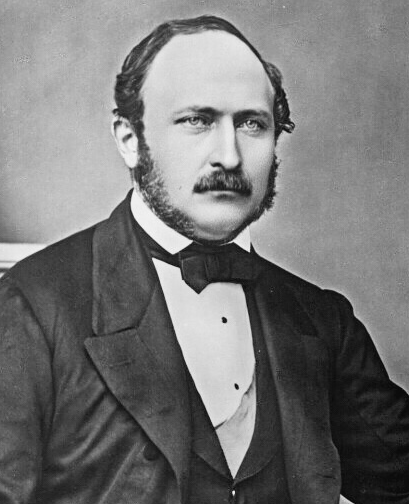 Prince Albert
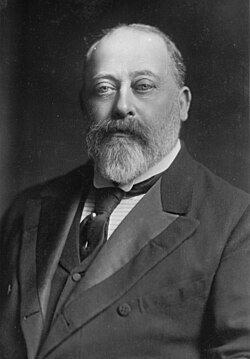 Edward VII
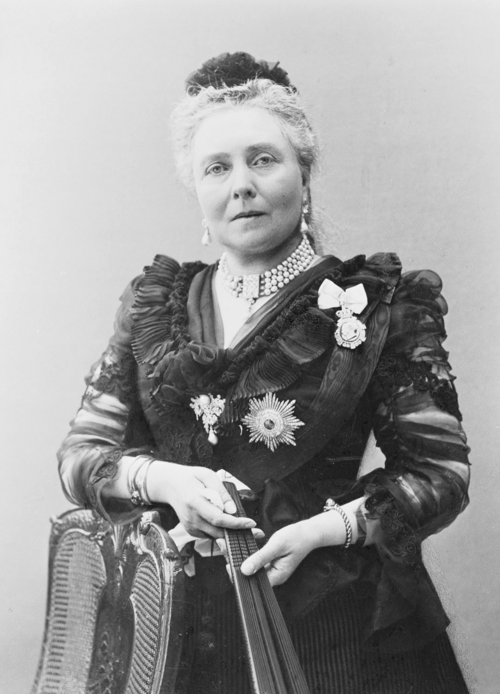 Victoria, Princess Royal
Princess Alice of the United Kingdom
Victoria, Princess Royal
Princess Alice of the United Kingdom
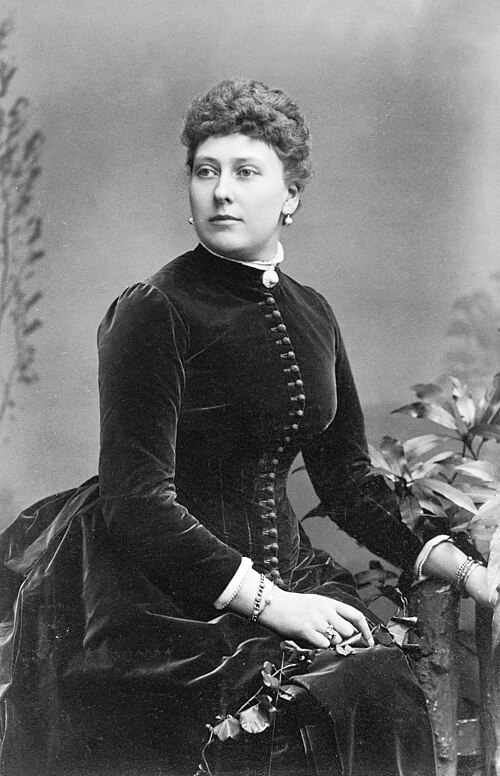 Princess Beatrice of the United Kingdom
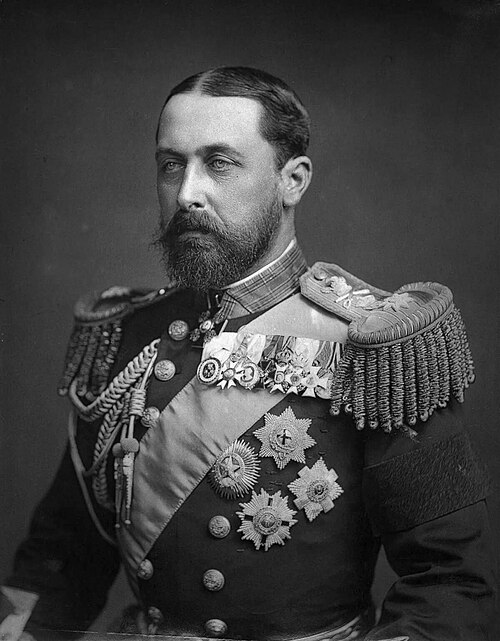 Alfred, Duke of Saxe-Coburg and Gotha
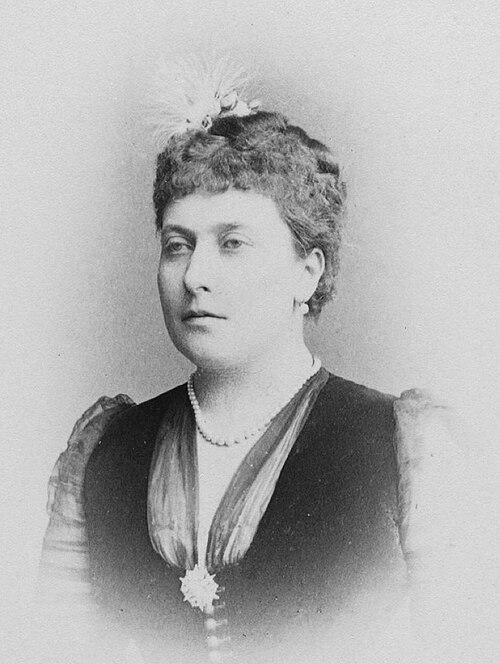 Princess Helena of the United Kingdom
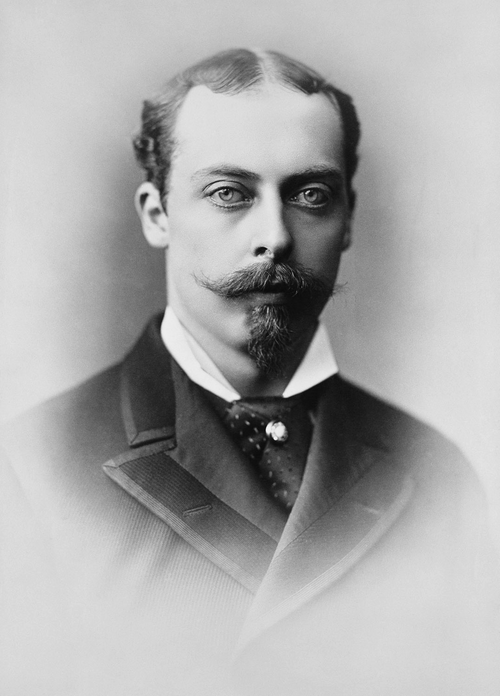 Prince Leopold, Duke of Albany
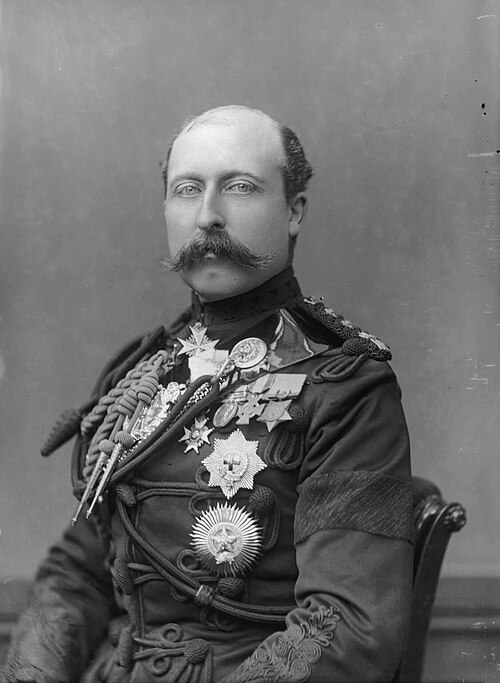 Prince Arthur, Duke of Connaught and Strathearn
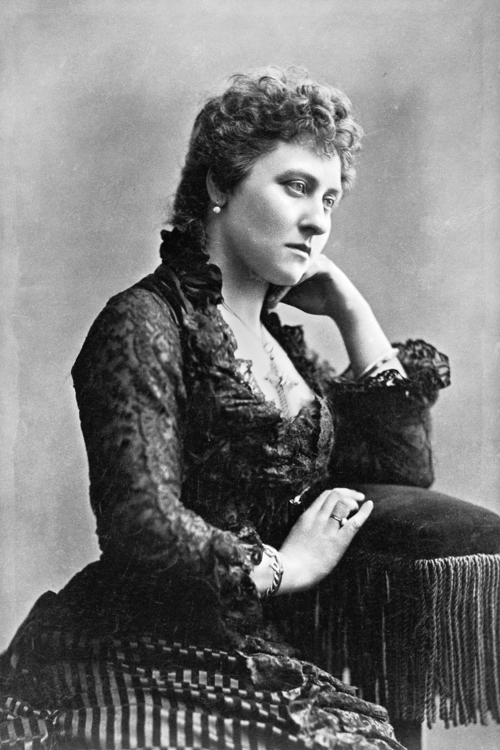 Princess Louise, Duchess of Argyll

