Biography
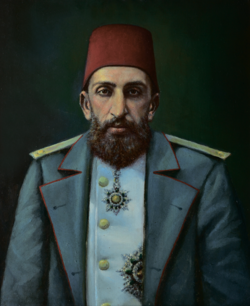
Abdul Hamid II was born at Topkapı Palace in 1842, a son of Sultan Abdulmejid I. He came to the throne on 31 August 1876, after his brother Murad V was deposed, in the midst of the Great Eastern Crisis. In December 1876 he promulgated the empire's first constitution and summoned a parliament, but after the disastrous war with Russia in 1877–78, which cost the empire much of the Balkans, he suspended both in 1878.
For three decades he ruled as an autocrat, relying on a secret police, informers and censorship and stressing his title of caliph to promote pan-Islamism. His reign also brought administrative centralisation, a network of new schools, and railways such as the Hejaz and Baghdad lines, built with German help. Armenians suffered mass killings in the Hamidian massacres of the mid-1890s, and in 1905 he narrowly escaped a bomb planted by Armenian revolutionaries at the Yıldız Mosque.
The Young Turk Revolution of 1908 forced him to restore the constitution. After a counter-revolution in April 1909 failed, he was deposed on 27 April and held at Salonica; when the city fell to Greece in 1912 he was brought back to Constantinople, where he died at Beylerbeyi Palace in 1918.
Offices held
Family
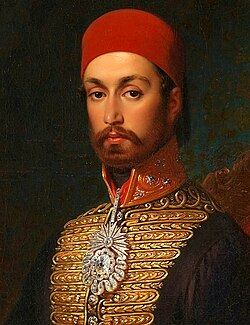 Abdul Hamid II
Müşfika Kadın
 Saliha Naciye Kadın
 Bidar Kadın
Nazikeda Kadın (consort of Abdul Hamid II)
 Bedrifelek Kadın
Mezidemestan Kadın
 Peyveste Hanım
Dilpesend Kadın
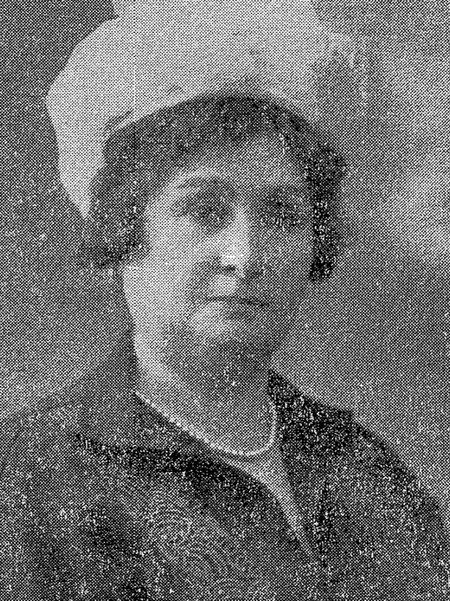 Emsalinur Kadın
 Sazkar Hanım
Nurefsun Kadın
 Fatma Pesend Hanım
 Behice Hanım
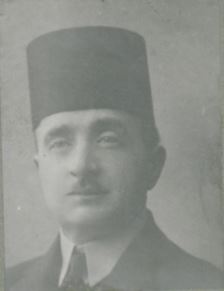 Şehzade Ahmed Nuri
Şehzade Ahmed Nureddin (son of Abdul Hamid II)
 Zekiye Sultan
Naile Sultan (daughter of Abdul Hamid II)
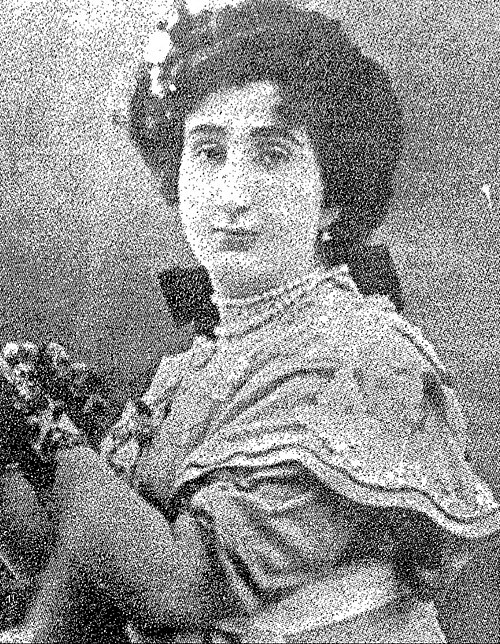 Şadiye Sultan
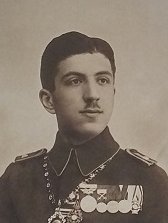 Şehzade Abdurrahim Hayri
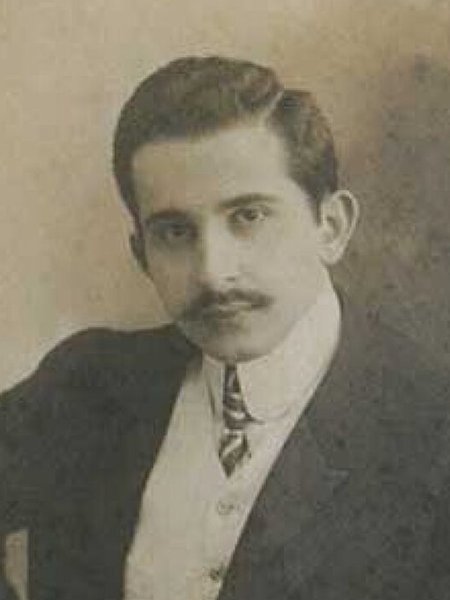 Şehzade Mehmed Burhaneddin (son of Abdul Hamid II)
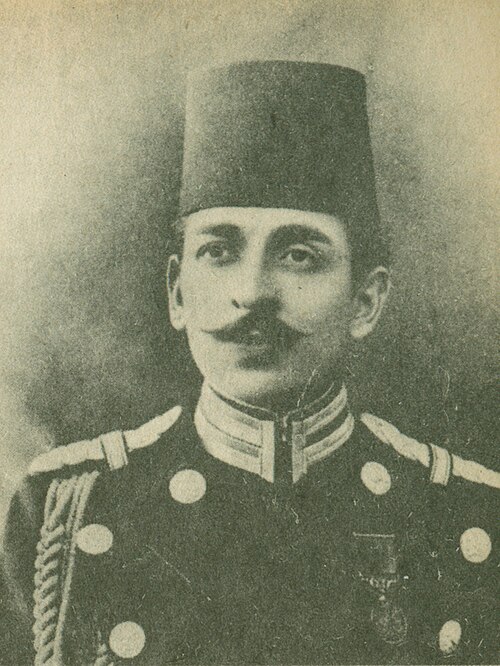 Şehzade Mehmed Abdülkadir
 Naime Sultan
 Refia Sultan (daughter of Abdul Hamid II)
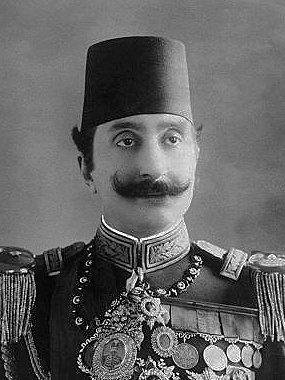 Şehzade Mehmed Selim
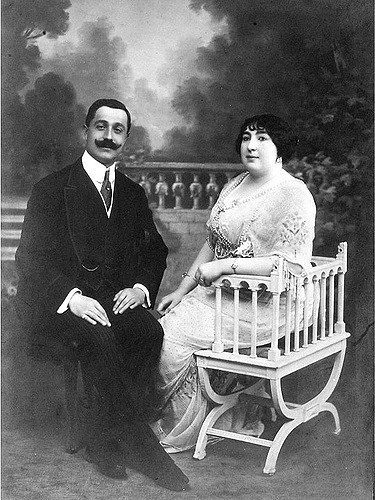 Ayşe Sultan (daughter of Abdul Hamid II)
Şehzade Mehmed Abid


