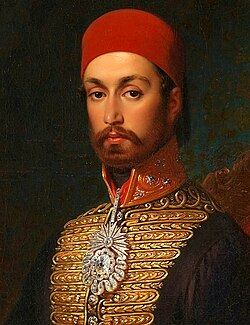
Biography
Abdülmecid was born in Constantinople in 1823, a son of Sultan Mahmud II and the Georgian consort Bezmiâlem. He received a European-style education, was the first sultan to speak fluent French, and shared his family's interest in literature and music. He came to the throne at sixteen on 2 July 1839, as Egyptian forces under Muhammad Ali defeated the Ottoman army at Nizip and the fleet defected to Alexandria; the empire was rescued by European intervention in the Oriental Crisis of 1840.
In November 1839 he proclaimed the Edict of Gülhane, drafted by Mustafa Reşid Pasha, which opened the Tanzimat era of reform by promising security of life and property, fair taxation and equality before the law. Supported by reforming ministers such as Reşid, Âli and Fuad Pasha, his reign brought the first banknotes, French-style courts and codes, new schools and universities, conscription, and the replacement of the turban by the fez. He refused Austrian and Russian demands to hand over Hungarian refugees after 1849.
Allied with Britain and France in the Crimean War, the empire was admitted to the Concert of Europe at the 1856 peace, and that February he issued the Imperial Reform Edict extending equal rights to non-Muslims. Wartime borrowing began a run of foreign loans that undermined the treasury, while discontent led to the failed Kuleli plot against him in 1859. He built the Dolmabahçe Palace and moved the court there from Topkapı. He died of tuberculosis in 1861 and was succeeded by his half-brother Abdulaziz.
Offices held
Family
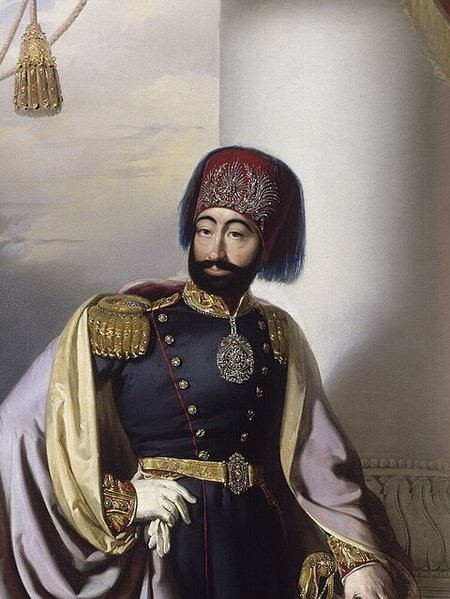
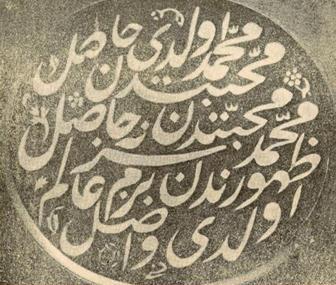 Abdülmecid I
Serfiraz Hanım
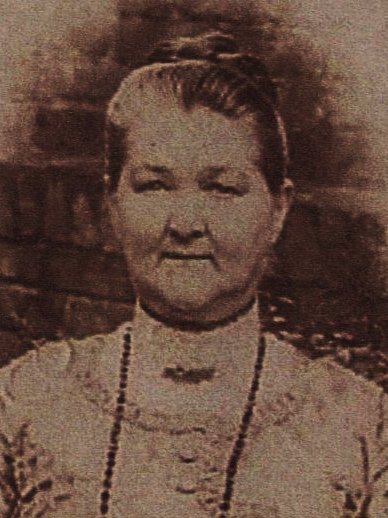 Şayeste Hanım
Bezmiara Kadın
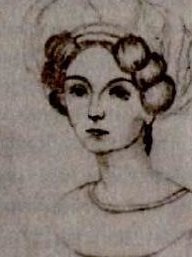 Servetseza Kadın
Navekmisal Hanım
Mahitab Kadın
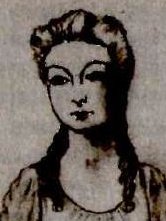 Verdicenan Kadın
Nükhetsezâ Hanım
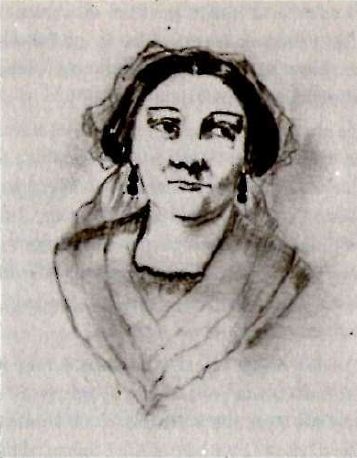 Şevkefza Sultan
Rahime Perestu Sultan
Gülcemal Kadın
 Gülistu Kadın
Düzdidil Hanım
Ceylanyar Hanım
Nalandil Hanım
Nergizev Hanım
Nesrin Hanım
Zeynifelek Hanım
Tirimüjgan Kadın
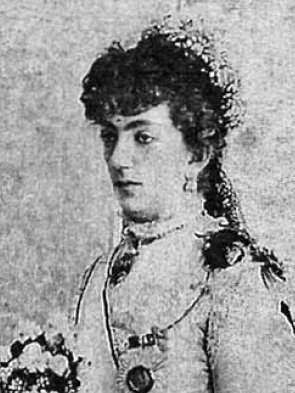 Mediha Sultan
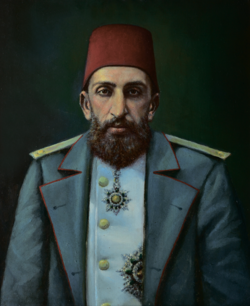 Abdul Hamid II
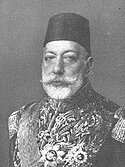 Mehmed V
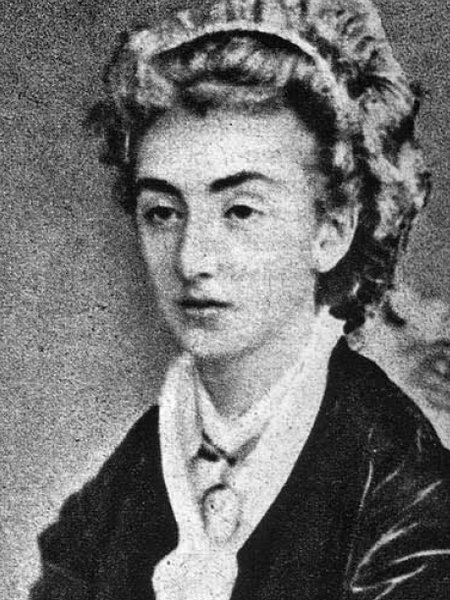 Naile Sultan (daughter of Abdulmejid I)
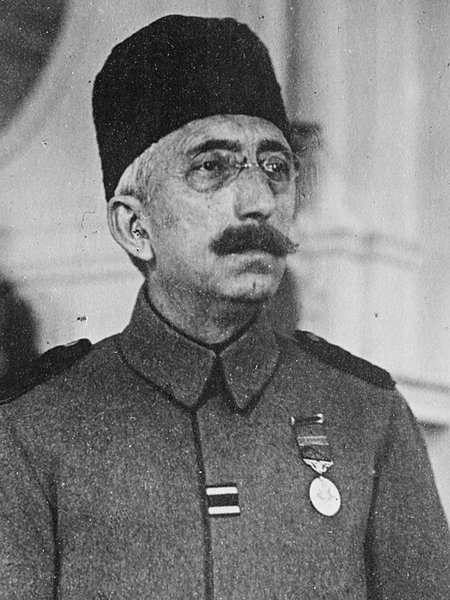 Mehmed VI
Refia Sultan (daughter of Abdulmejid I)
 Fatma Sultan (daughter of Abdulmejid I)
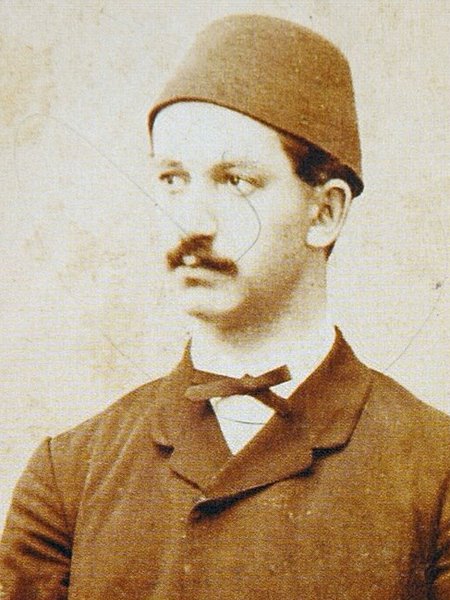 Şehzade Ahmed Kemaleddin
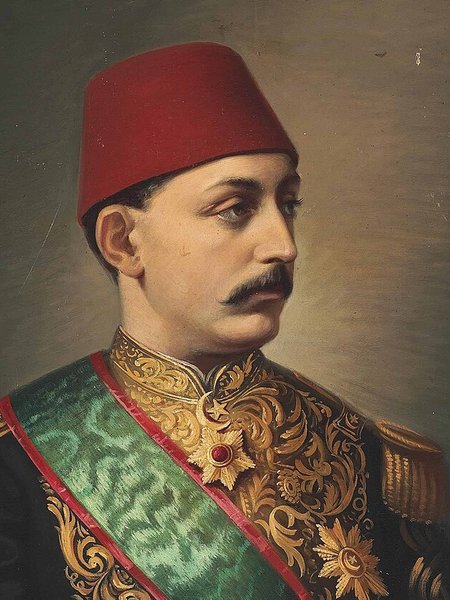 Murad V
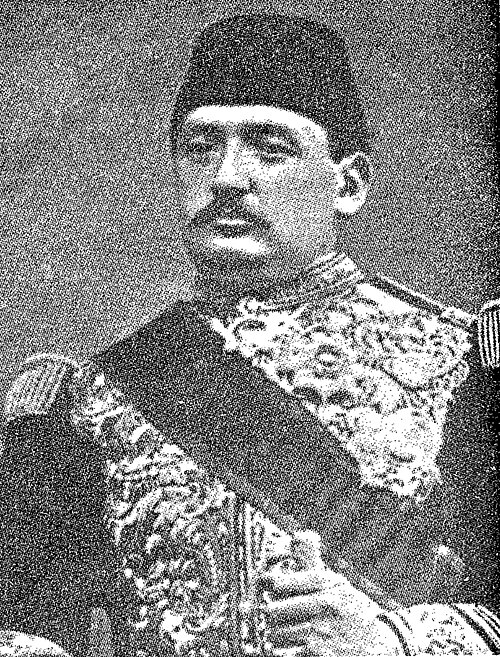 Şehzade Ahmed Nureddin (son of Abdulmejid I)
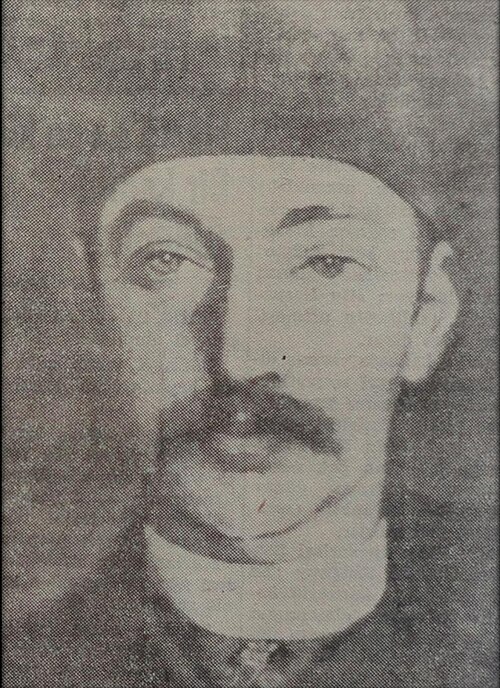 Şehzade Selim Süleyman
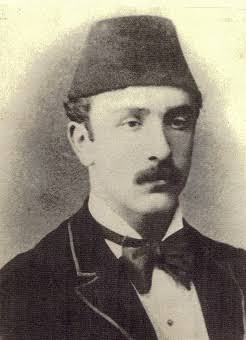 Şehzade Mehmed Burhaneddin (son of Abdulmejid I)
Behice Sultan
Münire Sultan (daughter of Abdulmejid I)
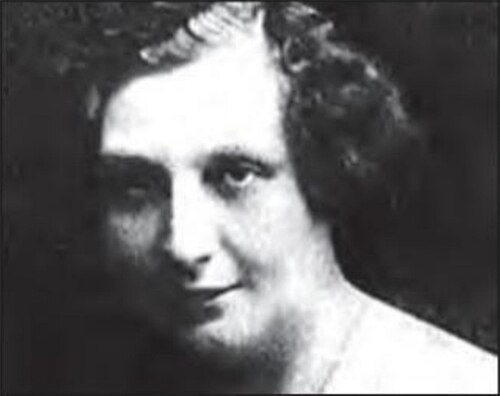 Cemile Sultan
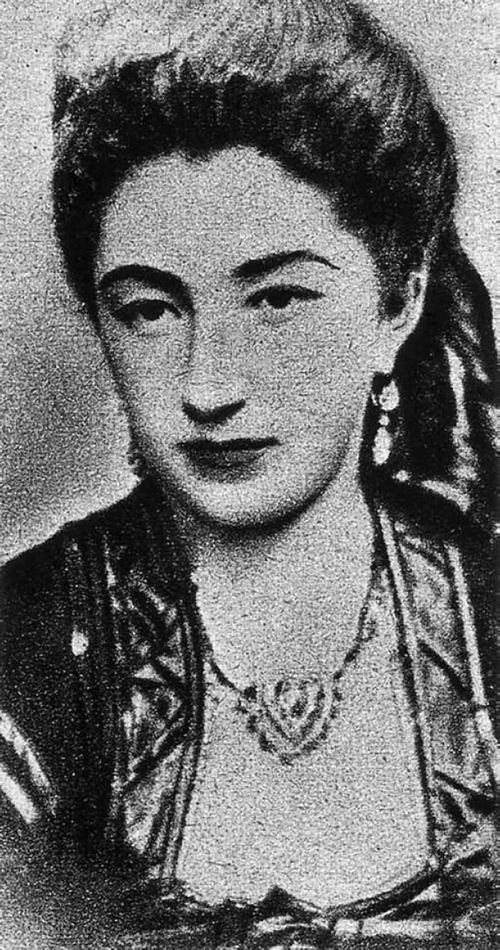 Seniha Sultan

