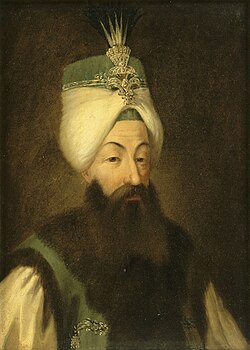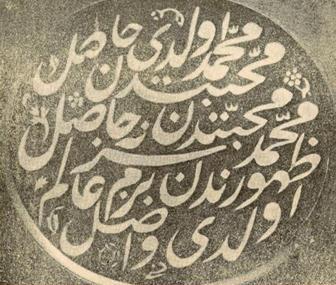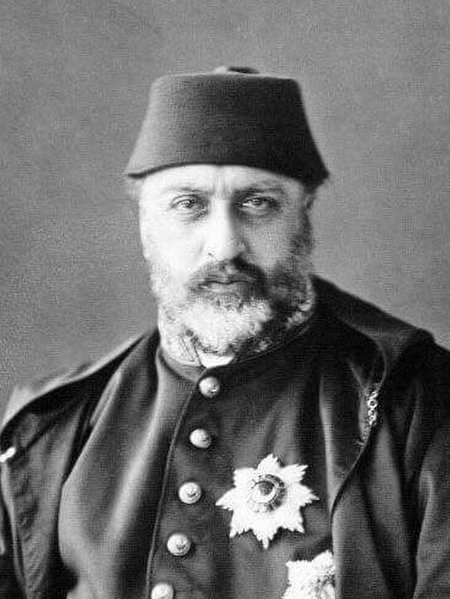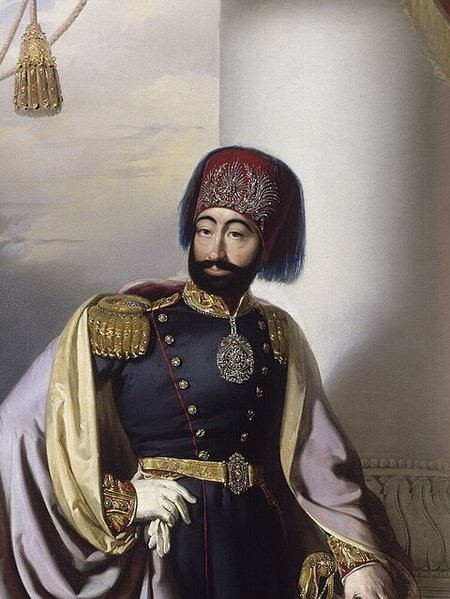
Mahmud II
30th Sultan of the Ottoman Empire (1808–1839)
Biography
Mahmud was born at Topkapı Palace in 1785 and came to the throne in July 1808, after a coup removed his half-brother Mustafa IV. Early in his reign the war with Russia ended in the 1812 Treaty of Bucharest, which ceded Bessarabia.
Nationalist risings and European intervention cost the empire further territory. The Greek war of independence that began in 1821 ended with Mahmud recognising an independent Greece in 1832, another war with Russia in 1828 and 1829 brought new losses, and France began its conquest of Algeria in 1830.
Convinced that only reform could halt the decline, he destroyed the Janissary corps in 1826 in what became known as the Auspicious Incident and built a modern army. He used it to bring local notables and provincial lords under central control, and he reorganised the bureaucracy and foreign office, creating a Supreme Council of Judicial Ordinances in 1838 and a council of ministers in 1839.
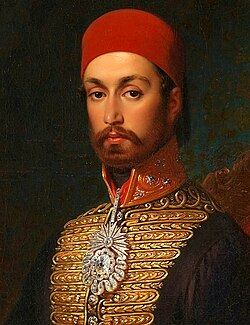
He died of tuberculosis in July 1839. His son Abdülmecid I continued his reforms, which laid the groundwork for the Tanzimat era.