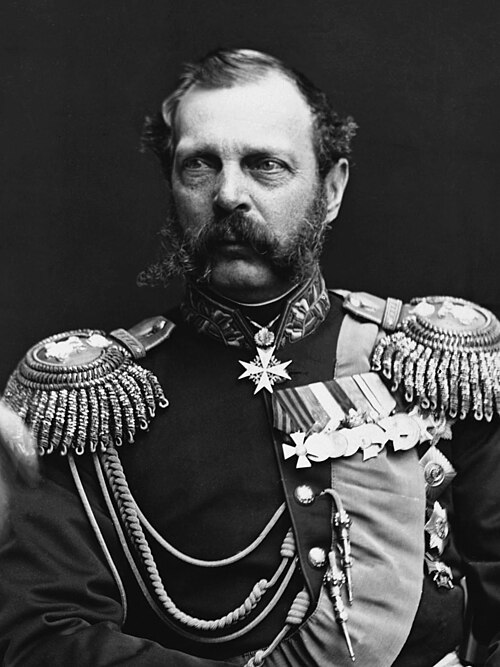
Alexander II of Russia
April 29, 1818 – March 13, 1881
Emperor of Russia from 1855 to 1881. He freed the serfs in 1861 and carried out wide reforms, and was killed by revolutionaries.
Biography
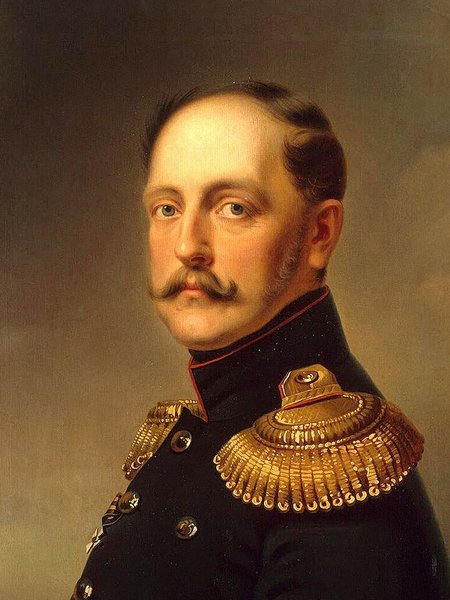
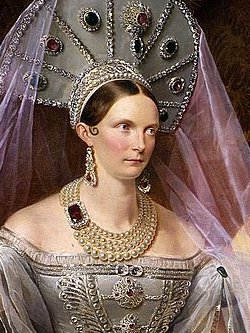
Alexander Nikolayevich was born in the Moscow Kremlin in 1818, the eldest son of Nicholas I and Charlotte of Prussia. He succeeded his father as emperor in March 1855, during the Crimean War, and was crowned in 1856, the year the war ended with the Treaty of Paris.
His reign is remembered for reform. The emancipation edict of 1861 abolished serfdom, earning him the name Alexander the Liberator, and it was followed by changes to the courts, local self-government, censorship, the army and navy, and education. After an attempt on his life in 1866 he became markedly more conservative. In Poland he crushed the January Uprising of 1863 and ended the kingdom's separate constitution.
Abroad he backed the Union in the American Civil War, sold Alaska to the United States in 1867, and in 1873 joined Germany and Austria-Hungary in the League of the Three Emperors, while Russia expanded in Central Asia, the Caucasus and the Far East. The Russo-Turkish War of 1877-1878 freed several Balkan states from Ottoman rule, though he was disappointed by the Congress of Berlin. He was assassinated by revolutionaries in Saint Petersburg in March 1881.
Offices held
Nicholas I of Russia Succeeded by
Alexander III of Russia
Nicholas I of Russia Succeeded by
Alexander III of Russia
Family
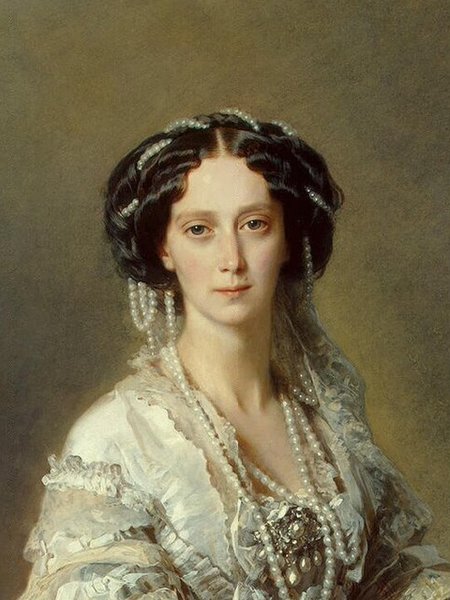
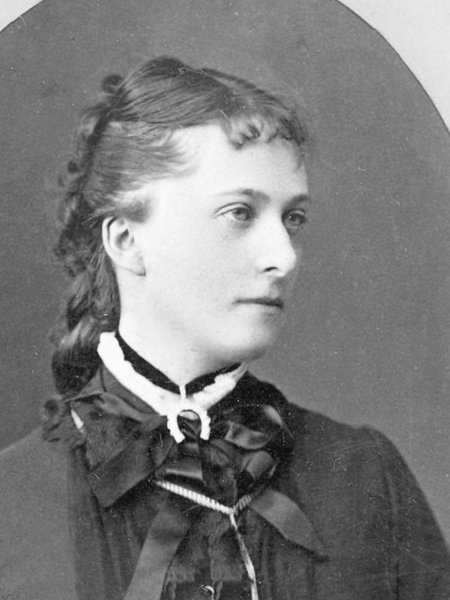
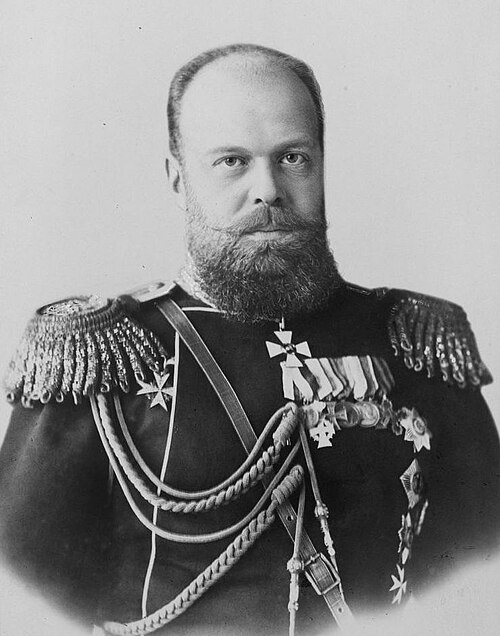 Alexander III of Russia
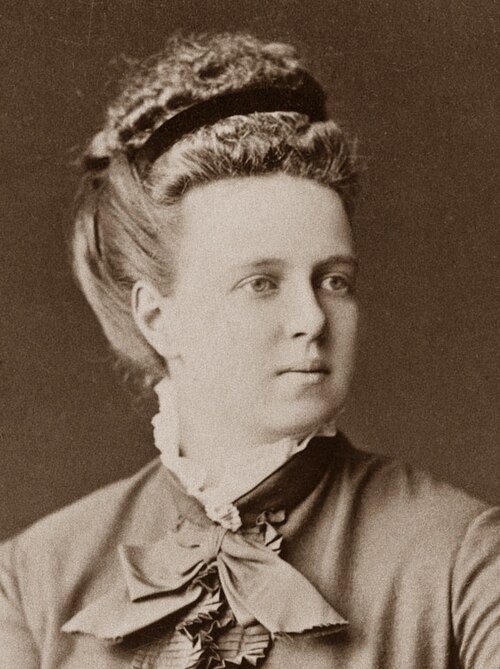 Grand Duchess Maria Alexandrovna of Russia
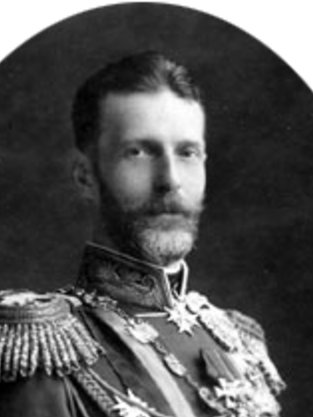 Grand Duke Sergei Alexandrovich of Russia
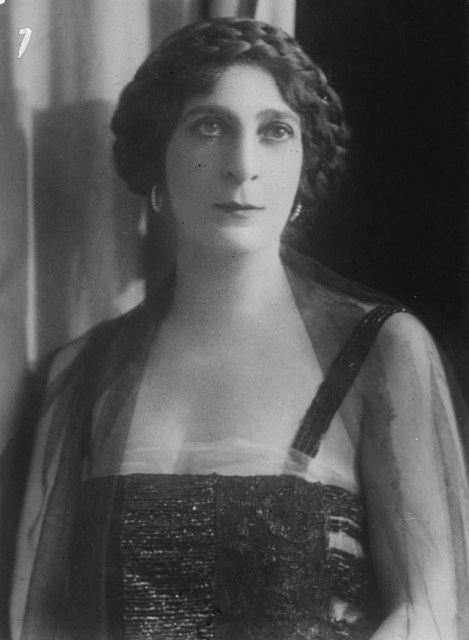 Princess Catherine Yurievskaya
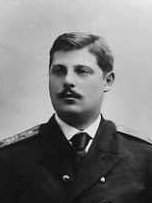 Prince George Alexandrovich Yuryevsky
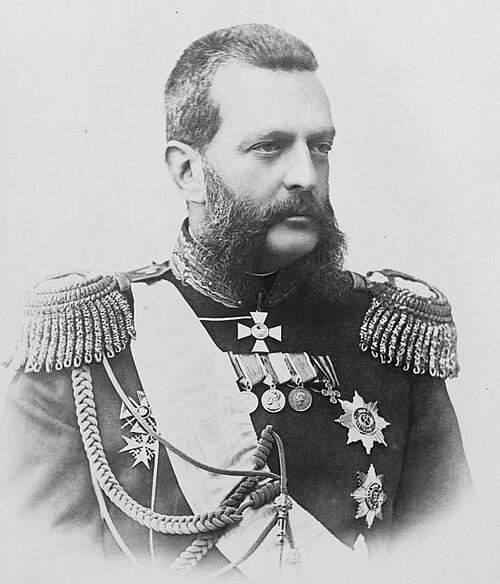 Grand Duke Vladimir Alexandrovich of Russia
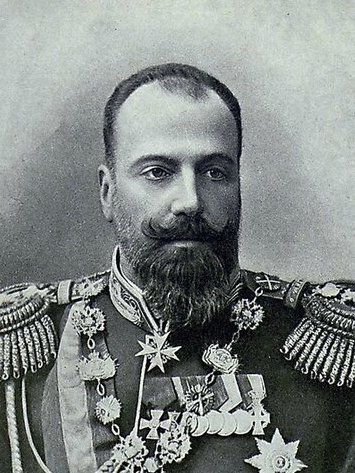 Grand Duke Alexei Alexandrovich of Russia
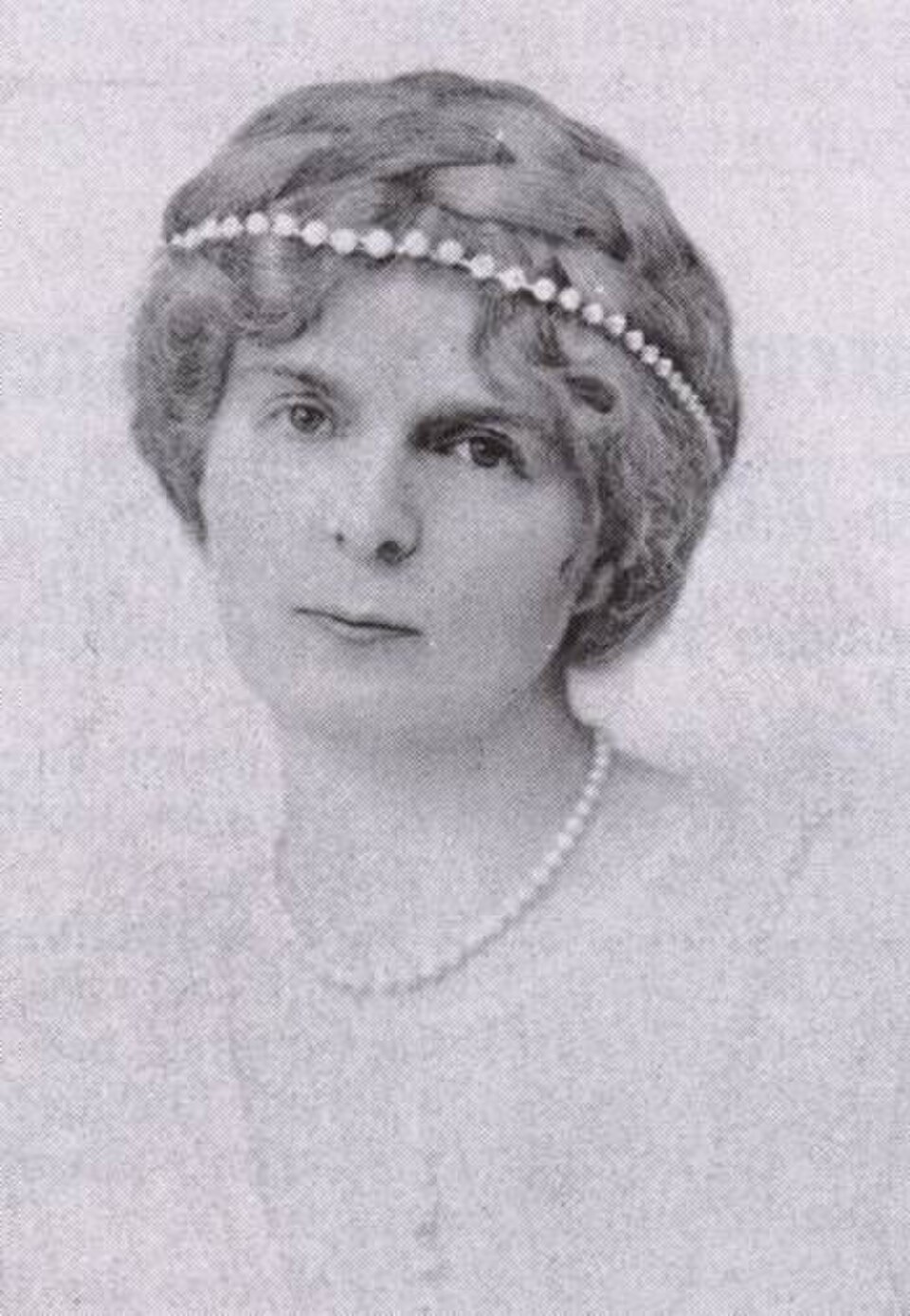 Princess Olga Alexandrovna Yurievskaya
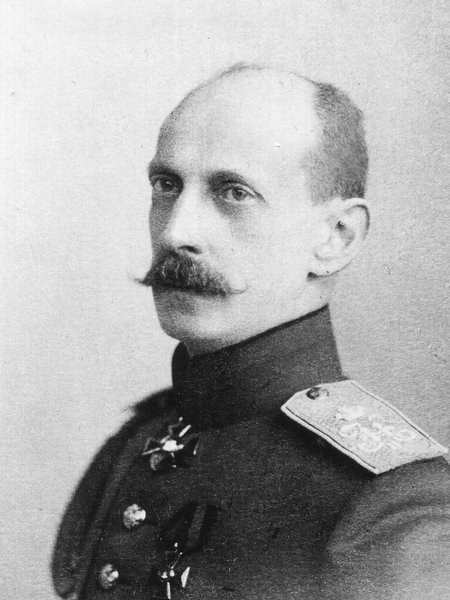 Grand Duke Paul Alexandrovich of Russia
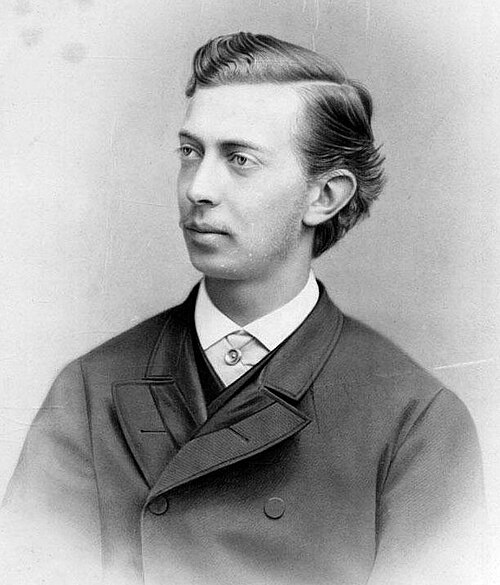 Nicholas Alexandrovich, Tsesarevich of Russia
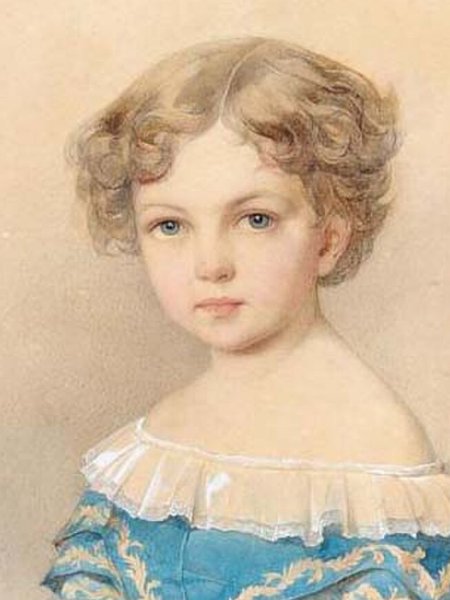 Grand Duchess Alexandra Alexandrovna of Russia
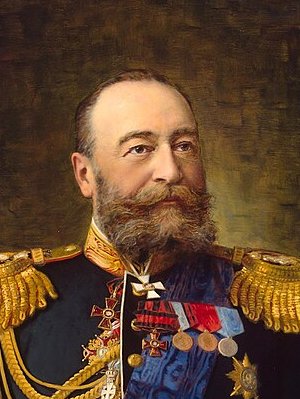 Yevgeni Ivanovich Alekseyev


