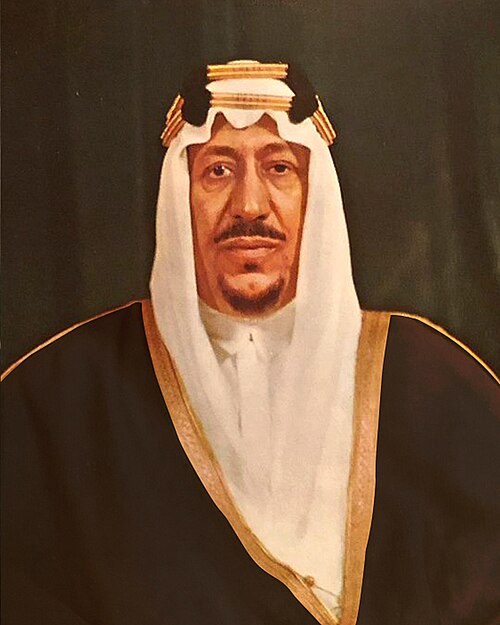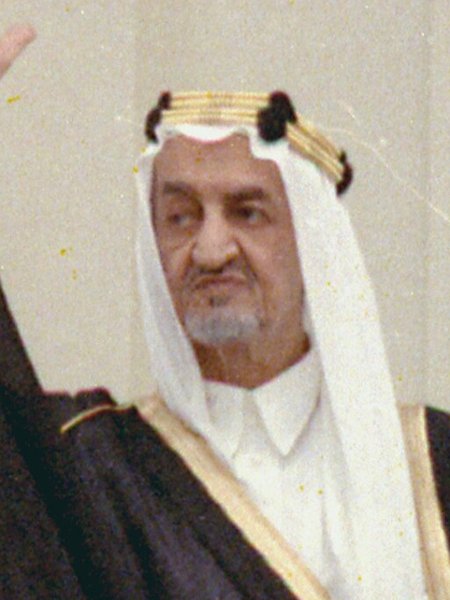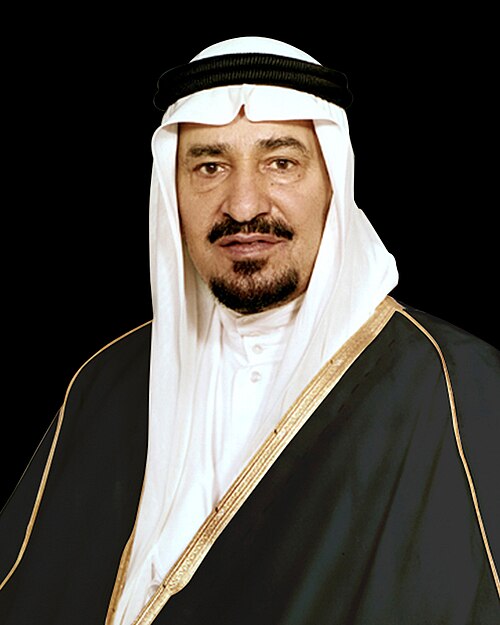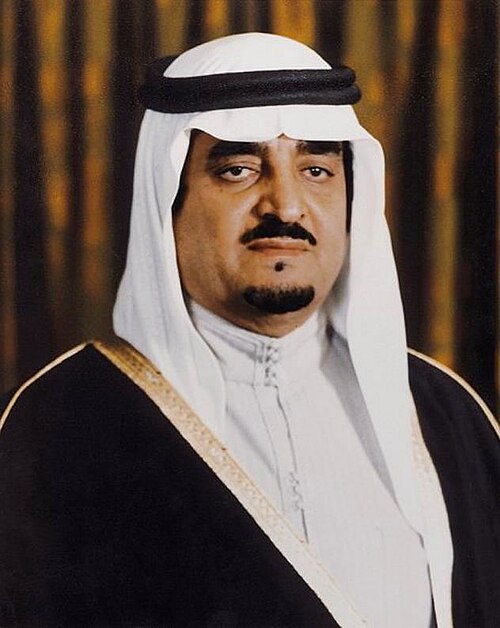
Ibn Saud
January 15, 1876 – November 9, 1953
Arabian ruler who united most of the peninsula by conquest and founded Saudi Arabia, ruling as its first king from 1932 to 1953.
Biography
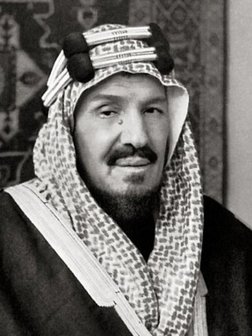
Abdulaziz bin Abdul Rahman Al Saud, known in the West as Ibn Saud, was born in Riyadh in 1876, the son of the last emir of the second Saudi state. When the rival Al Rashid dynasty took Riyadh in 1891 the family went into exile, eventually settling in Kuwait under the protection of its ruler, Mubarak Al Sabah.
In January 1902 he retook Riyadh with a small band of followers, beginning three decades of conquest. He extended his rule over Nejd and the eastern coast by 1912, founded the Ikhwan religious-military brotherhood, and in 1915 signed the Treaty of Darin, which placed his lands under British protection in return for subsidies. He defeated the Rashidis in 1921, took the title sultan of Nejd, and between 1924 and 1925 conquered the Hejaz with Mecca and Medina.
The 1927 Treaty of Jeddah brought British recognition of his independence as king of the Hejaz and Nejd. When the Ikhwan rebelled against his limits on raiding, he crushed them by 1930, and in 1932 he united his realms as the Kingdom of Saudi Arabia.
After granting an oil concession in 1933 he saw petroleum discovered in 1938, and oil revenues transformed the kingdom after the Second World War. In February 1945 he met President Franklin D. Roosevelt aboard USS Quincy, laying the basis of the Saudi–American relationship. He fathered dozens of sons, all later kings of Saudi Arabia, and died at Taif in 1953.
Offices held
Family
Ibn Saud