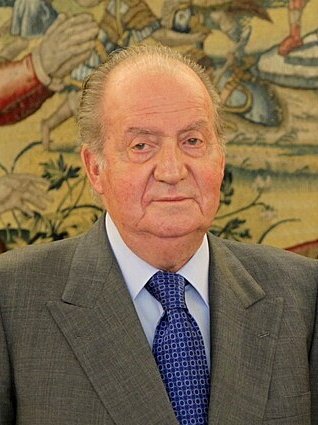
Juan Carlos I of Spain
King of Spain from 1975 to 2014, who guided the country's transition to democracy after Franco and stopped the 1981 coup attempt.
Biography
Juan Carlos was born in Rome in 1938, where the Spanish royal family was living in exile, as the grandson of Alfonso XIII. By arrangement between his father and Francisco Franco he was sent to Spain as a boy to be educated. He trained at the military, naval and air academies, studied at the University of Madrid, and in 1962 married Princess Sophia of Greece and Denmark.
Franco named him his successor in 1969 with the new title Prince of Spain, and he was proclaimed king two days after Franco's death in November 1975. Instead of preserving the regime, he appointed Adolfo Suarez as prime minister in 1976, supported the legalisation of parties and the free elections of 1977, and signed the 1978 constitution that made Spain a parliamentary monarchy. His televised stand against the coup attempt of 23 February 1981 is widely credited with defeating it.
After 1982 his role became largely representative. Later in his reign he faced controversy over his finances and private life. He abdicated in favour of his son, Felipe VI, in June 2014, and since August 2020 he has lived outside Spain over questions about business dealings linked to Saudi Arabia.
Offices held
Affiliations
Education
- Jan 1, 1955 – Jan 1, 1957 General Military Academy
- Jan 1, 1960 – Jan 1, 1961 Complutense University of Madrid Law, political economy and public finance
Family
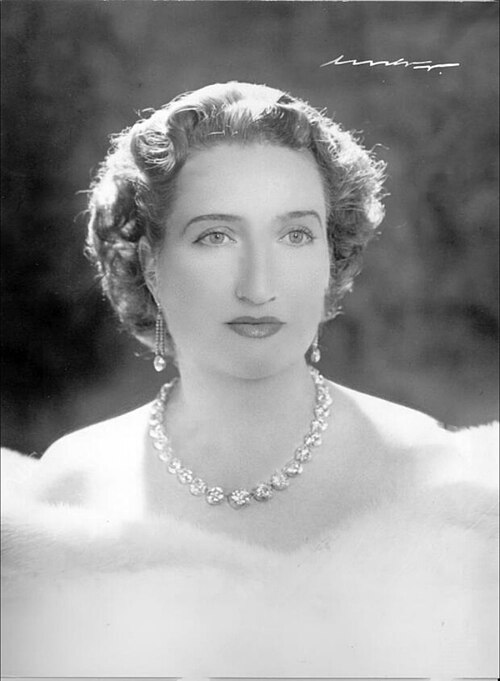
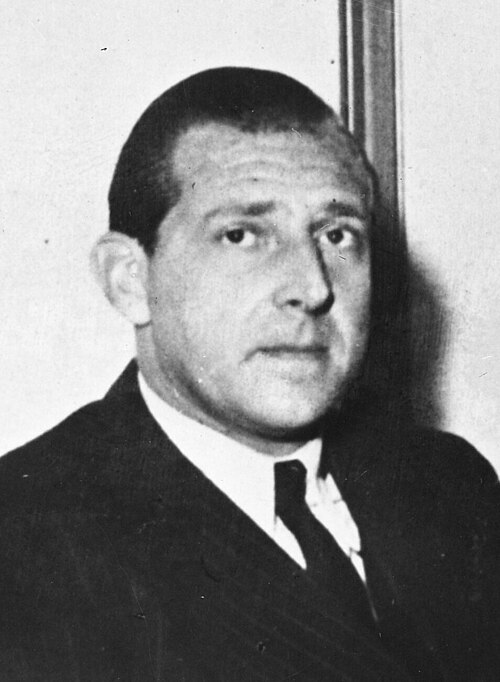 Juan Carlos I of Spain
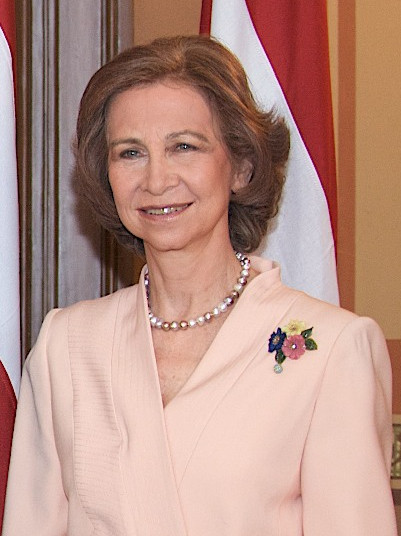 Queen Sofía of Spain