 Battle of Antietam
September 17, 1862
" From a tactical standpoint, the battle was somewhat inconclusive; the Union army successfully repelled the Confederate invasion but suffered heavier casualties and failed to defeat Lee's army outright. However, it was a significant turning point in the war in favor of the Union due in large part to its political ramifications: the battle's result gave Lincoln the political confidence to issue the Emancipation Proclamation, declaring all those held as slaves within enemy territory free. This effectively discouraged the British and French governments from recognizing the Confederacy, as neither power wished to give the appearance of supporting slavery." - https://en.wikipedia.org/wiki/Battle_of_Antietam
Battles 2
April 12, 1861 – April 9, 1865
January 1, 1863
Battle sites 1
- Emancipation Proclamation Washington, D.C. · 38.9, -77.04
Key commanders
Confederates 6
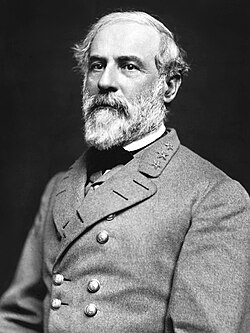 Robert E. Lee
· 1807–1870
Robert E. Lee
· 1807–1870
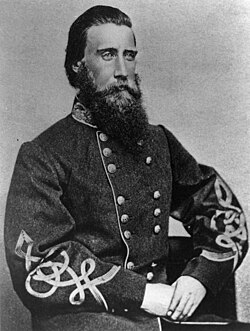 John Bell Hood
· 1831–1879
James Longstreet
Lieutenant General, Commander of the First Corps (right wing) · 1821–1904
Stonewall Jackson
Major General, Commander of the Second Corps (left wing) · 1824–1863
A. P. Hill
Major General, Commander of the Light Division; arrived from Harpers Ferry · 1825–1865
John Bell Hood
· 1831–1879
James Longstreet
Lieutenant General, Commander of the First Corps (right wing) · 1821–1904
Stonewall Jackson
Major General, Commander of the Second Corps (left wing) · 1824–1863
A. P. Hill
Major General, Commander of the Light Division; arrived from Harpers Ferry · 1825–1865
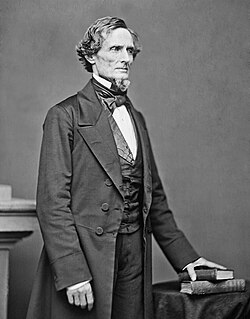 Jefferson Davis
· 1808–1889
Jefferson Davis
· 1808–1889
Union 10
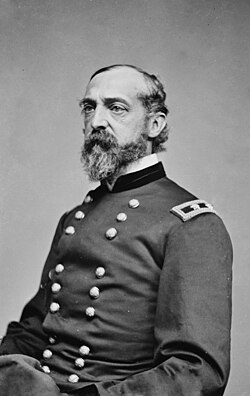 George Meade
· 1815–1872
George Meade
· 1815–1872
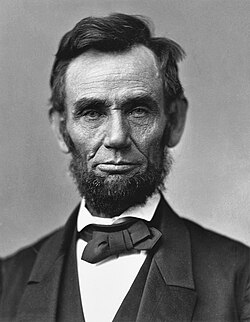 Abraham Lincoln
belligerent leader · 1809–1865
Abraham Lincoln
belligerent leader · 1809–1865
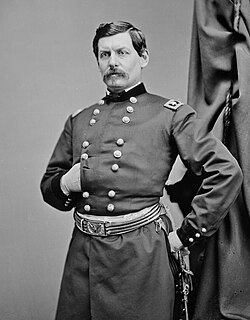 George B. McClellan
· 1826–1885
Ambrose Burnside
Major General, Commander of the IX Corps (left wing) · 1824–1881
Joseph Hooker
Major General, Commander of the I Corps (right wing); wounded in action · 1814–1879
Edwin V. Sumner
Major General, Commander of the II Corps (center) · 1797–1863
George B. McClellan
· 1826–1885
Ambrose Burnside
Major General, Commander of the IX Corps (left wing) · 1824–1881
Joseph Hooker
Major General, Commander of the I Corps (right wing); wounded in action · 1814–1879
Edwin V. Sumner
Major General, Commander of the II Corps (center) · 1797–1863
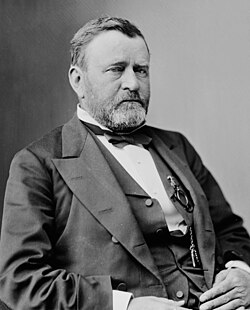 Ulysses S. Grant
· 1822–1885
Ulysses S. Grant
· 1822–1885
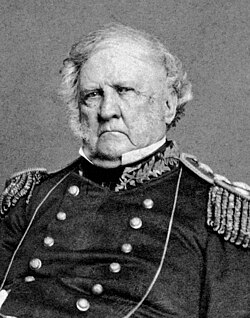 Winfield Scott
· 1786–1866
Winfield Scott
· 1786–1866
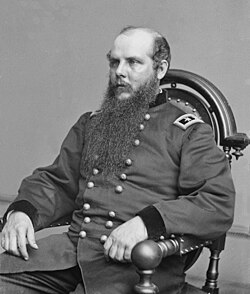 John Schofield
· 1831–1906
John Schofield
· 1831–1906
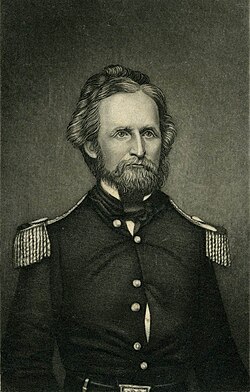 Nathaniel Lyon
· 1818–1861
Nathaniel Lyon
· 1818–1861