 Battle of Fort Sumter
April 12–13, 1861
The Battle of Fort Sumter (April 12–13, 1861) was the bombardment of Fort Sumter near Charleston, South Carolina, by the South Carolina militia, which ended with the surrender of the fort by the United States Army and began the American Civil War. After South Carolina seceded on December 20, 1860, Major Robert Anderson surreptitiously moved his small command from the vulnerable Fort Moultrie to the substantial Fort Sumter, which controlled the entrance to Charleston Harbor. An attempt by President James Buchanan to resupply Anderson with the unarmed merchant ship Star of the West failed when it was fired upon by shore batteries on January 9, 1861.
Battles 2
April 12, 1861 – April 9, 1865
July 21, 1861
Battle sites 1
- First Battle of Bull Run Confederate States of America · ,
Key commanders
Union 9
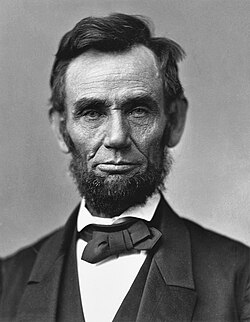 Abraham Lincoln
belligerent leader · 1809–1865
Robert Anderson
Major, Commander of the Union garrison at Fort Sumter · 1805–1871
Irvin McDowell
Brigadier General, Commander of the Army of Northeastern Virginia · 1818–1885
Abraham Lincoln
belligerent leader · 1809–1865
Robert Anderson
Major, Commander of the Union garrison at Fort Sumter · 1805–1871
Irvin McDowell
Brigadier General, Commander of the Army of Northeastern Virginia · 1818–1885
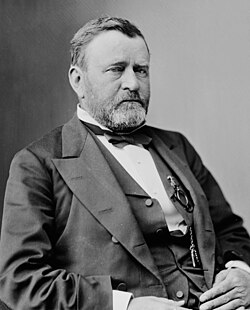 Ulysses S. Grant
· 1822–1885
Ulysses S. Grant
· 1822–1885
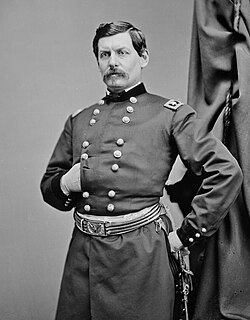 George B. McClellan
· 1826–1885
George B. McClellan
· 1826–1885
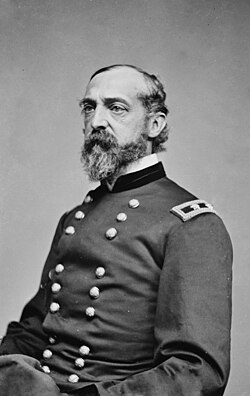 George Meade
· 1815–1872
George Meade
· 1815–1872
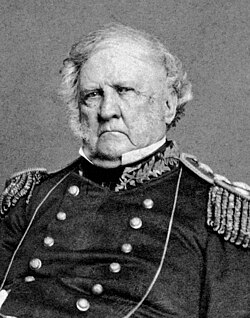 Winfield Scott
· 1786–1866
Winfield Scott
· 1786–1866
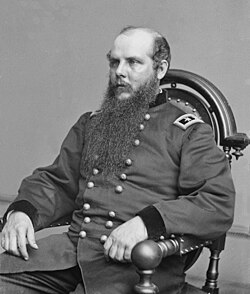 John Schofield
· 1831–1906
John Schofield
· 1831–1906
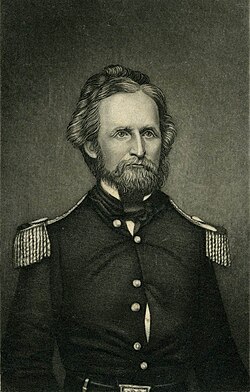 Nathaniel Lyon
· 1818–1861
Nathaniel Lyon
· 1818–1861
Confederacy 1
Confederates 6
Stonewall Jackson
earned the nickname "Stonewall" · 1824–1863
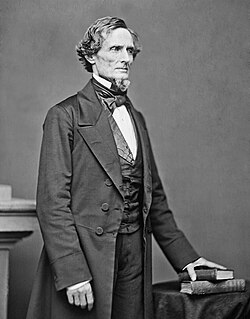 Jefferson Davis
belligerent leader, president of the Confederate States of America · 1808–1889
P. G. T. Beauregard
General, Commander of the Confederate forces at Charleston · 1818–1893
Joseph E. Johnston
General, Commander of the Army of the Shenandoah; reinforced Beauregard · 1807–1891
Jefferson Davis
belligerent leader, president of the Confederate States of America · 1808–1889
P. G. T. Beauregard
General, Commander of the Confederate forces at Charleston · 1818–1893
Joseph E. Johnston
General, Commander of the Army of the Shenandoah; reinforced Beauregard · 1807–1891
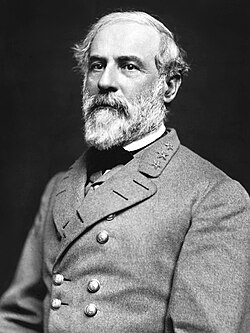 Robert E. Lee
· 1807–1870
Robert E. Lee
· 1807–1870
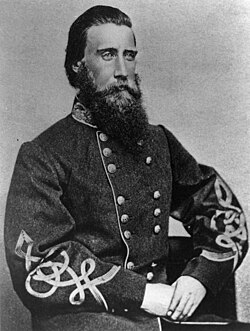 John Bell Hood
· 1831–1879
John Bell Hood
· 1831–1879
Jefferson Davis
belligerent leader, president of the Confederate States of America · 1808–1889
P. G. T. Beauregard
General, Commander of the Confederate forces at Charleston · 1818–1893
Joseph E. Johnston
General, Commander of the Army of the Shenandoah; reinforced Beauregard · 1807–1891
Robert E. Lee
· 1807–1870
John Bell Hood
· 1831–1879