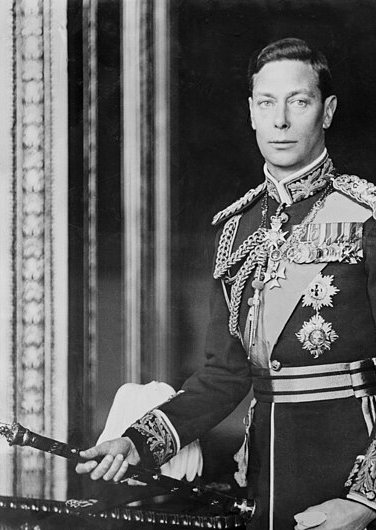
George VI
December 14, 1895 – February 6, 1952
King of the United Kingdom and the British Dominions from 1936 to 1952, the last Emperor of India and the first Head of the Commonwealth.
Biography
Albert Frederick Arthur George, known in the family as Bertie, was born at Sandringham in 1895, the second son of the future George V. He trained as a naval cadet at Osborne and Dartmouth, served at sea in the First World War, including at the Battle of Jutland, and moved to the new Royal Air Force in 1918. After a year at Trinity College, Cambridge, he was created Duke of York in 1920.
He married Lady Elizabeth Bowes-Lyon in 1923; their daughters were Elizabeth and Margaret. From the mid-1920s he worked with the speech therapist Lionel Logue to manage a severe stammer. When his brother Edward VIII abdicated in December 1936 to marry Wallis Simpson, Albert became king, took the name George VI and was crowned in May 1937.
In the Second World War he was seen as sharing the hardships of ordinary people; Buckingham Palace was bombed during the Blitz while he and the Queen were there, and he became a symbol of national resolve. His reign also saw the empire contract: India and Pakistan became independent in 1947, he gave up the title of Emperor of India in 1948, and the London Declaration of 1949 made him the first Head of the Commonwealth.
Heavy smoking contributed to lung cancer and circulatory disease in his last years. He died at Sandringham in February 1952, aged 56, and was succeeded by Elizabeth II.
Offices held
Also King of 3 others
- Canada
- Australia Jan 1, 1942 – Feb 6, 1952
- New Zealand Jan 1, 1947 – Feb 6, 1952
Military service
Affiliations
Education
- Jan 1, 1909 – Jan 1, 1911 Royal Naval College, Osborne Naval cadet
- Oct 1, 1919 – Jan 1, 1920 Trinity College, Cambridge History, economics and civics for a year
Family
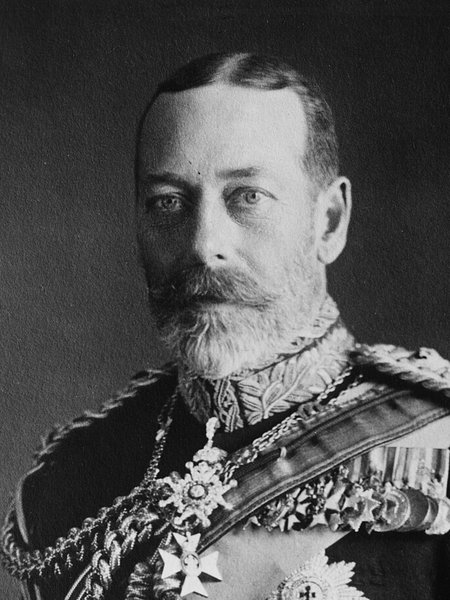
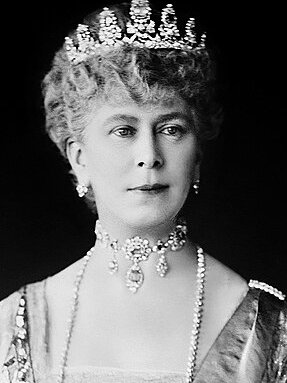 George VI
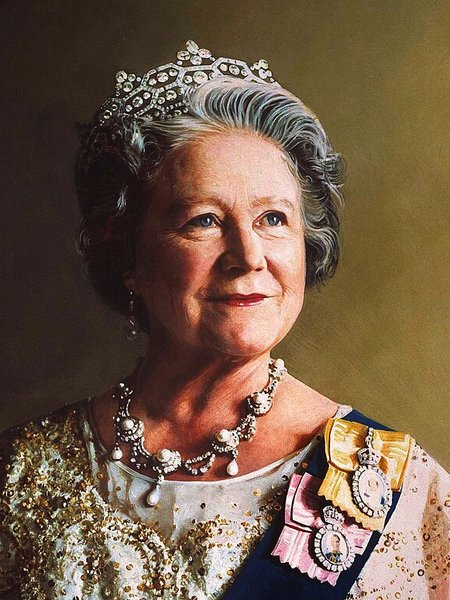 Elizabeth Bowes-Lyon