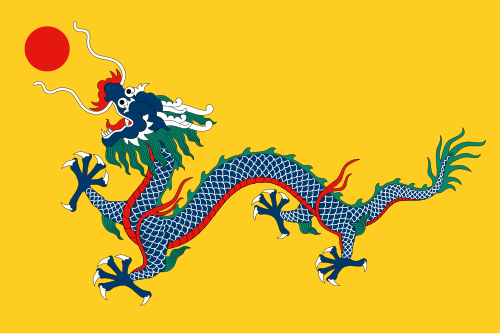
Imperial China
State · ?–1912 · Capital: Beijing
Imperial China refers to the imperial era of Chinese history, from the first unification of China under a centralized imperial state by Qin Shi Huang in 221 BC to the fall of the final imperial dynasty in 1912. The Han dynasty (202 BC-220 AD) established a long-lasting imperial order and institutionalized Confucianism, and later imperial dynasties included the Sui, Tang, Song, Yuan, Ming, and the Manchu-led Qing (1644-1912), which expanded China's territory to its imperial peak. The imperial era saw the expansion of the Silk Road and the invention of gunpowder, paper, printing, and the compass. The 1911 Revolution ended imperial rule and established the Republic of China.
Office holders on February 12, 1912
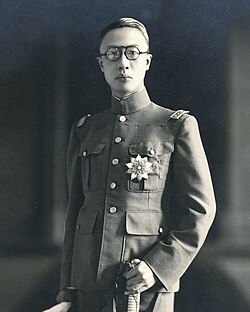
Offices
| Office | Holders | Years |
|---|---|---|
| Emperor | 29 | 1368–1917 |
| Regent several at a time | 6 | 1643–1911 |
Relations
- Succeeded by: Republic of China (1912–)
Military units
Xiang Army · Jiangnan Daying · Ever Victorious Army · Huai Army · New Army (Qing dynasty) · Wuwei Corps (1900)
Eras
Self-Strengthening Movement (1861–1895)