 Cuban Missile Crisis
October 16–29, 1962 · Havana
Thirteen-day confrontation of 16-28 October 1962 between the United States and the Soviet Union, after Soviet nuclear missiles were placed in Cuba in response to US missile deployments in Britain, Italy and Turkey. President John F. Kennedy ordered a naval 'quarantine' of Cuba rather than an airstrike; Kennedy and Nikita Khrushchev agreed the Soviets would dismantle the Cuban missiles in exchange for a US non-invasion pledge, with a secret US agreement to remove missiles from Turkey. Widely considered the closest the Cold War came to full-scale nuclear war, it led to the creation of the Moscow-Washington hotline.
Key people
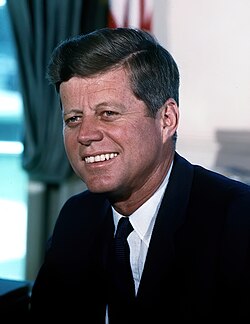 John F. Kennedy
head of state/government, United States · United States
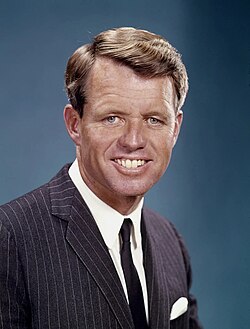 Robert F. Kennedy
United States
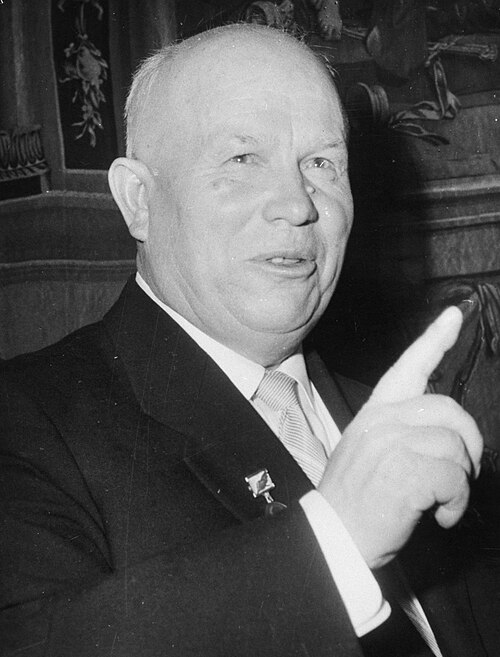 Nikita Khrushchev
head of state/government, Soviet Union · Soviet Union
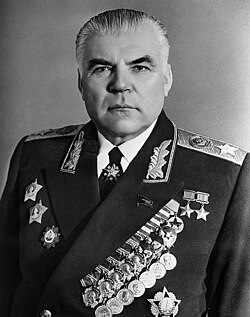 Rodion Malinovsky
Soviet Union
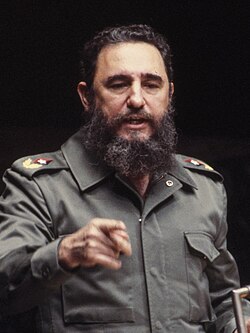 Fidel Castro
head of state/government · Cuba
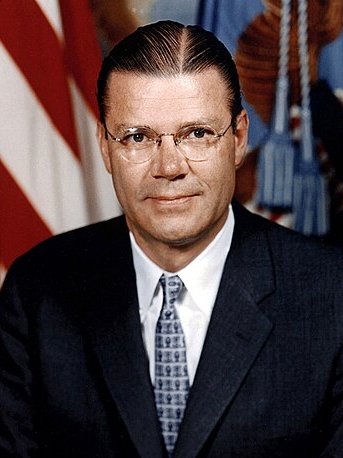 Robert McNamara
Secretary of Defense · United States
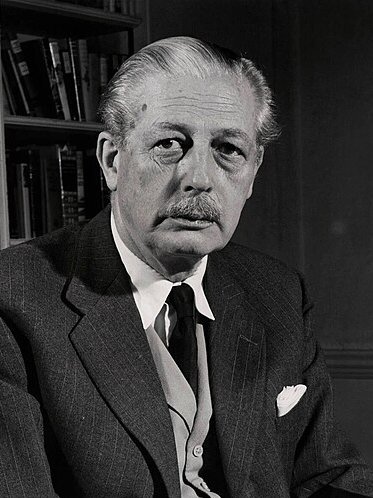 Harold Macmillan
leader
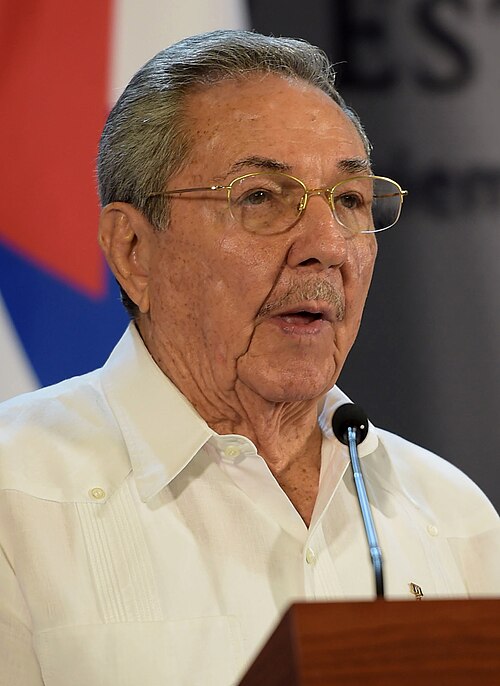 Raúl Castro
leader · Cuba
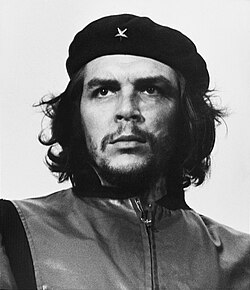 Che Guevara
leader · Cuba
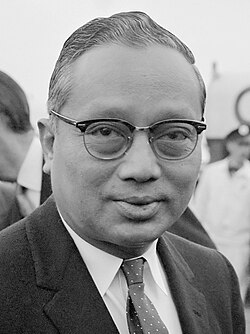 U Thant
mediator between the U.S. and the Soviet Union
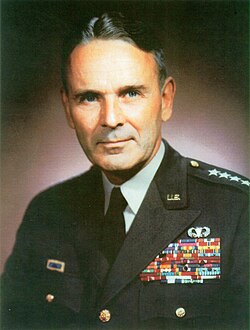 Maxwell D. Taylor
leader · United States
 Peter Thorneycroft
leader
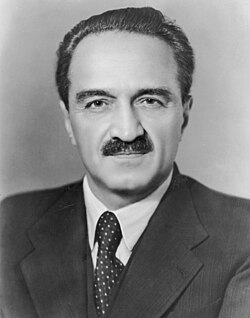 Anastas Mikoyan
leader
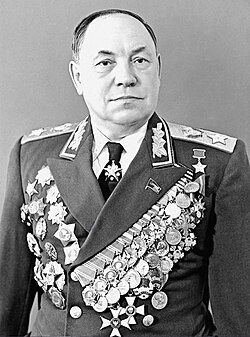 Matvei Zakharov
leader · Soviet Union
Participants
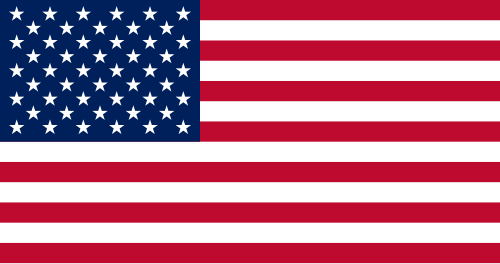
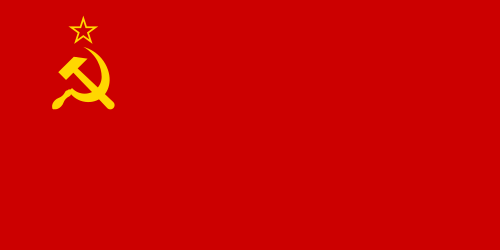
Strength and losses
| United States | Soviet Union | |
|---|---|---|
| Strength | c. 100,000–180,000 | 43,000 |
Before and after
- Followed from
- Bay of Pigs Invasion April 17–20, 1961
Operation Anadyr 1962
Related events
1948
1951
1954
1957
1960
1963
1966
1969
1972
1975
1978
1981
1984
1987
1990
 Cuban Missile Crisis