Dissolution of the Soviet Union
August 24 – December 26, 1991
Related events (1 degree away • 2 degrees away)
1948
1952
1956
1960
1964
1968
1972
1976
1980
1984
1988
1992
1996
2000


 Dissolution of the Soviet Union
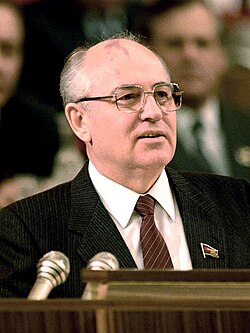
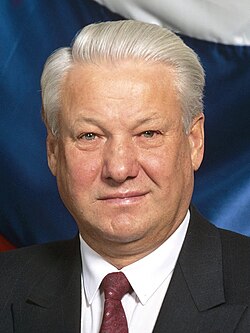
Formal dissolution of the USSR on 26 December 1991, ending the world's largest socialist state after economic stagnation, ethnic nationalism, the failed August 1991 coup and the Belovezha Accords of 8 December, in which the leaders of Russia, Belarus and Ukraine declared the Union no longer existed. On 25 December Mikhail Gorbachev resigned and transferred presidential powers, including nuclear launch codes, to Russian president Boris Yeltsin; Russia became the recognized successor state. The dissolution marked the culmination of the Revolutions of 1989 and the end of the Cold War.
Location
- Belovezha and Moscow