 Dissolution of the Soviet Union
August 24 – December 26, 1991 · Belovezha and Moscow
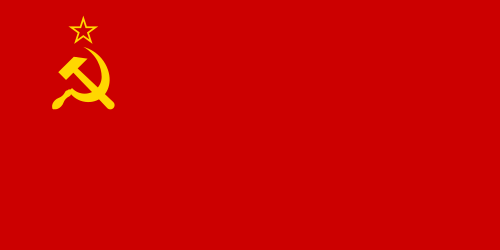
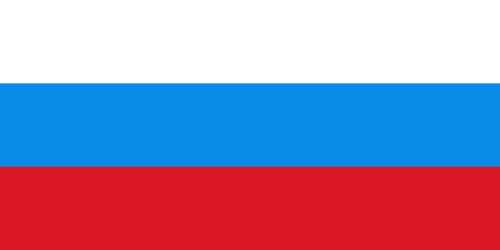
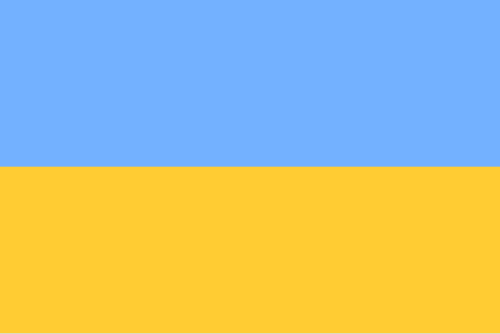
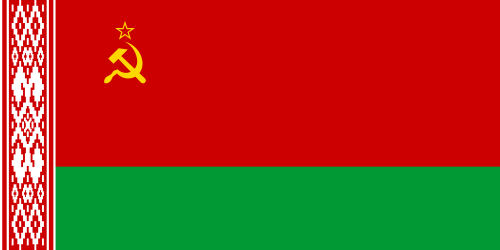
Formal dissolution of the USSR on 26 December 1991, ending the world's largest socialist state after economic stagnation, ethnic nationalism, the failed August 1991 coup and the Belovezha Accords of 8 December, in which the leaders of Russia, Belarus and Ukraine declared the Union no longer existed. On 25 December Mikhail Gorbachev resigned and transferred presidential powers, including nuclear launch codes, to Russian president Boris Yeltsin; Russia became the recognized successor state. The dissolution marked the culmination of the Revolutions of 1989 and the end of the Cold War.
Key people
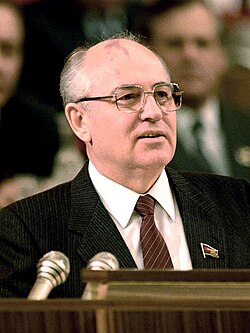
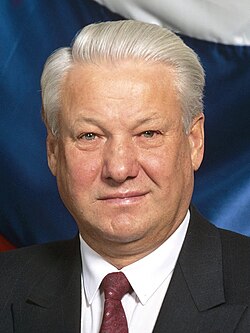
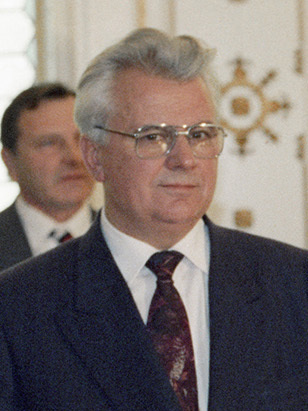
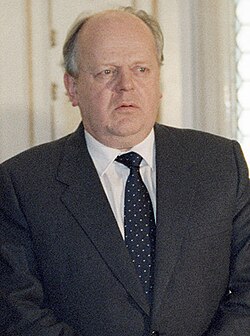
Participants

Battles and events 2
- Belovezha Accords December 8, 1991
- Georgian civil war of 1991–1993 December 22, 1991 – December 31, 1993 · Pro-Shevardnadzist victory
Before and after
- Followed from
- Cold War March 12, 1947 – December 26, 1991
Khrushchev's Secret Speech February 25, 1956
Perestroika 1985 – December 26, 1991
Reykjavík Summit October 11–12, 1986
1989 Sukhumi riots July 1989
Fall of the Berlin Wall November 9, 1989
Black January January 20, 1990
1991 Soviet coup attempt August 19–21, 1991 - Led to
- Transnistria War March 2 – July 21, 1992
Russo-Ukrainian War February 20, 2014
Related events
1948
1953
1958
1963
1968
1973
1978
1983
1988
1993
1998
2003
2008
2013


 Dissolution of the Soviet Union