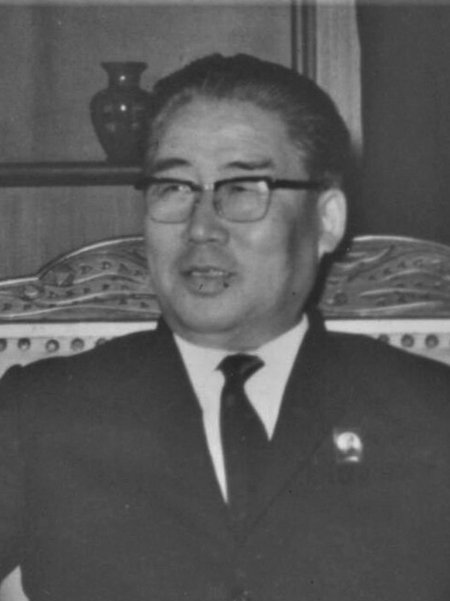
Korean War
June 25, 1950 – July 27, 1953
Result Inconclusive
The war began on 25 June 1950 when North Korea invaded South Korea, following the post-1945 division of the peninsula at the 38th parallel. South Korea was backed by a United Nations force led by the United States, while North Korea was supported by China and the Soviet Union. After three years of fighting, the war ended in a stalemate with the armistice of 27 July 1953.
Battles 48
June 25, 1950
June 25–30, 1950
Operation Pokpung
DPRK tactical victoryROK strategic success
South Korea
Kim Il-sung, Chung Il-kwon, Syngman Rhee
June 25–29, 1950
June 25–26, 1950
Battle of Uijeongbu (1950)
North Korean victory
June 25–26, 1950
Battle of Kaesong–Munsan
KPA victory Successful ROK withdrawal
June 25–26, 1950
June 26, 1950
July 1950
Battle of Andong
South Korean victory
July 2, 1950
Battle of Chumonchin Chan
United Nations victory
July 4, 1950
July 6, 1950
July 7–8, 1950
July 14–21, 1950
August 3–29, 1950
August 4 – September 18, 1950
Battle of the Pusan Perimeter
United Nations victory
Daegu and the Naktong River line
Douglas MacArthur, Chung Il-kwon, Walton Walker
August 5–20, 1950
Battle of P'ohang-dong
United Nations victory
Pohang
Douglas MacArthur, Walton Walker, Choe Yong-gon
August 5 – September 19, 1950
August 5–20, 1950
August 27 – September 12, 1950
August 31 – September 19, 1950
September 1–18, 1950
Battle of Ka-san
United Nations victory
September 1–5, 1950
September 10–19, 1950
Battle of Inchon
United Nations victory
Inchon landing
Kim Il-sung, Douglas MacArthur, Edward Almond
September 22–28, 1950
September 23, 1950
Battle of Hill 282
Stalemate
October 17–19, 1950
October 21–22, 1950
Battle of Yongyu
United Nations victory
October 25–29, 1950
October 25 – November 4, 1950
Battle of Unsan
Chinese and North Korean victory, retreat of UN forces.
Unsan County
Peng Dehuai, Paik Sun-yup
November 25 – December 2, 1950
Battle of the Ch'ongch'on River
Chinese victory
Ch'ongch'on River valley, near Kunu-ri
Mao Zedong, Peng Dehuai, Douglas MacArthur
November 27 – December 13, 1950
Battle of Chosin Reservoir
Chosin (Changjin) Reservoir
Peng Dehuai, Douglas MacArthur, Edward Almond
November 27–29, 1950
Battle of Wawon
Chinese victory; Turkish delay action
December 31, 1950 – January 7, 1951
December 31, 1950 – January 20, 1951
First and second battles of Wonju
United Nations victory
Wonju
Peng Dehuai, Matthew Ridgway, Edward Almond
February 13–15, 1951
April 22–25, 1951
April 22–25, 1951
April 22 – June 10, 1951
August 18 – September 5, 1951
September 13 – October 15, 1951
October 8, 1951
First Battle of Maryang-san
United Nations victory
Imjin River
Peng Dehuai, Matthew Ridgway, James Van Fleet
June 26, 1952 – March 26, 1953
Battle of Old Baldy
South Korean victory in 1952 action Chinese victory in 1953 action
October 6–15, 1952
Battle of White Horse Hill
United Nations victory
October 14 – November 25, 1952
Battle of Triangle Hill
Chinese victory on Triangle Hill; Both sides claim victory on Sniper Ridge
Chung Il-kwon, Mark W. Clark, James Van Fleet
March 1953 – July 1953
Battle of Pork Chop Hill
UN victory in April battle Chinese victory in July battle
Peng Dehuai, James Van Fleet
May 28–29, 1953
Third Battle of the Hook
United Nations victory
July 13–27, 1953
Battle of Kumsong
China and DPRK victory, South Korea lost Kumsong sailent and center of Gimhwa county.
Chung Il-kwon, Mark W. Clark, Maxwell D. Taylor
July 26, 1953
Key commanders
South Korea and UN forces 22
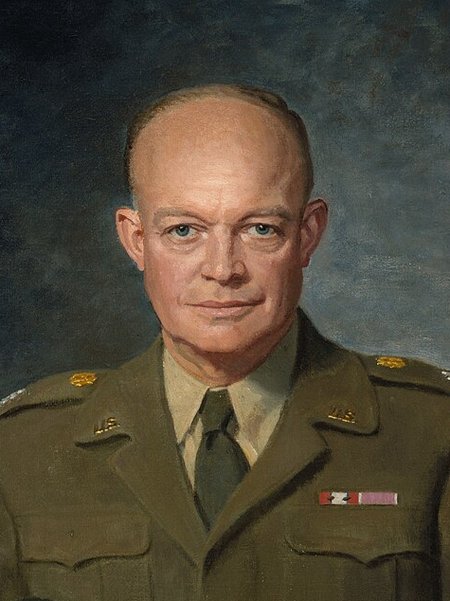 Dwight D. Eisenhower
President, United States
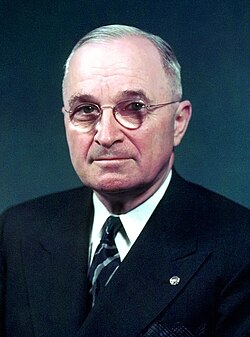 Harry S. Truman
President, United States
 Winston Churchill
Prime Minister, United Kingdom, from October 1951
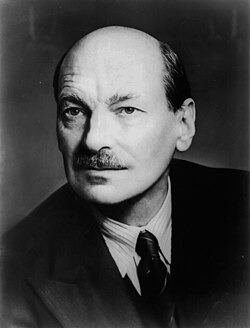 Clement Attlee
Prime Minister, United Kingdom, until October 1951
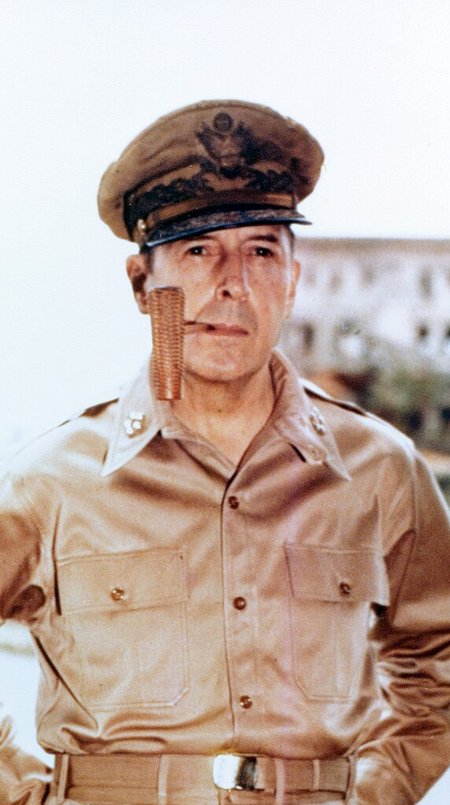 Douglas MacArthur
Commander, United Nations Command, Led the Inchon landing; relieved in April 1951
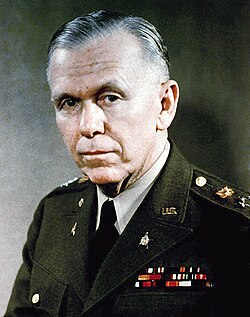 George C. Marshall
Secretary of Defense
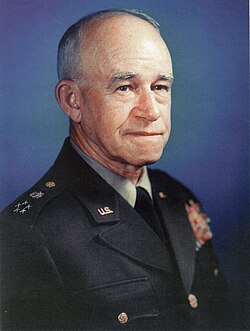 Omar Bradley
Chairman of the Joint Chiefs of Staff
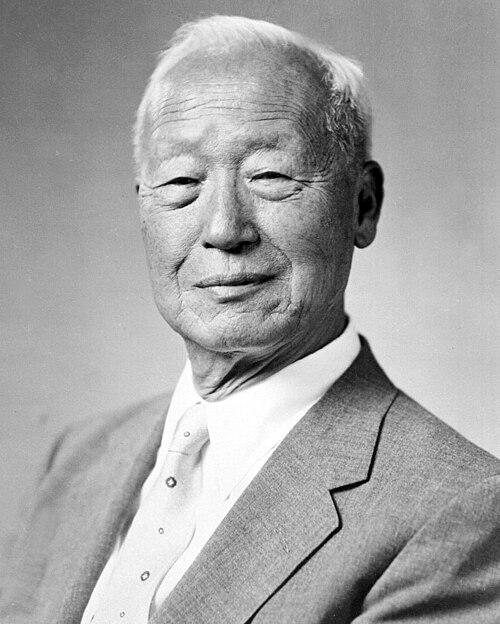 Syngman Rhee
President of South Korea
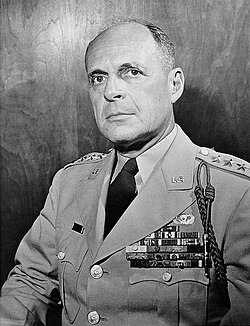 Matthew Ridgway
Commander, United Nations Command
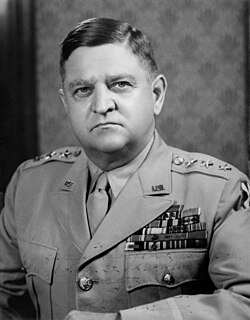 Walton Walker
Commander, Eighth Army, Defended the Pusan Perimeter; died in December 1950
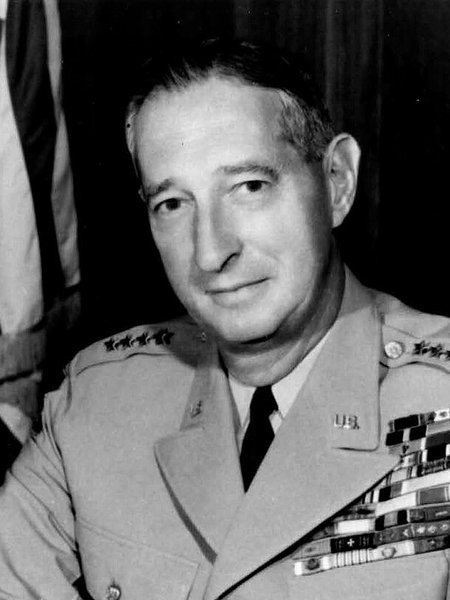 Mark W. Clark
Commander, United Nations Command, Signed the 1953 armistice
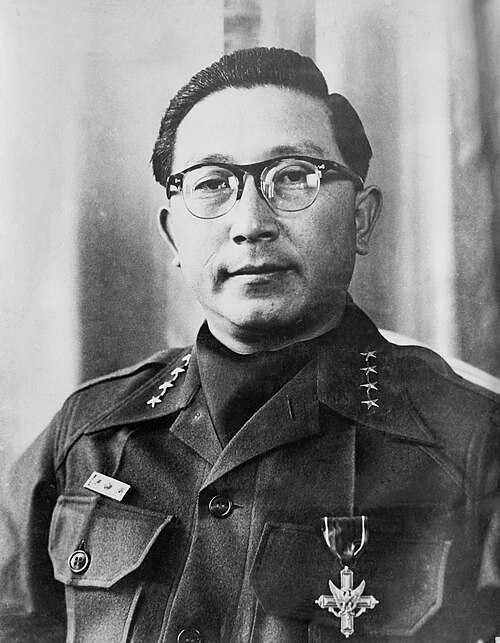 Chung Il-kwon
military commander
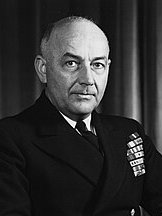 Arthur Dewey Struble
military commander
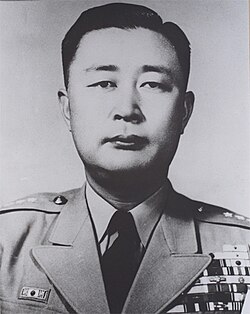 Paik Sun-yup
military commander
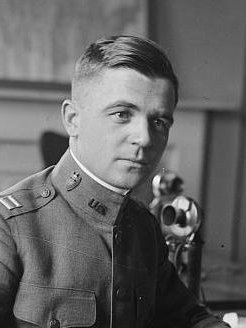 John B. Coulter
military commander
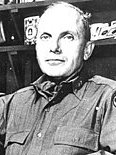 Edward Almond
military commander
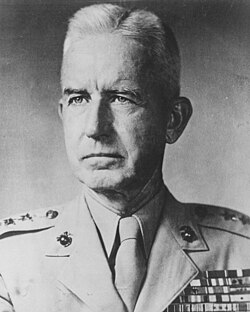 Oliver P. Smith
military commander
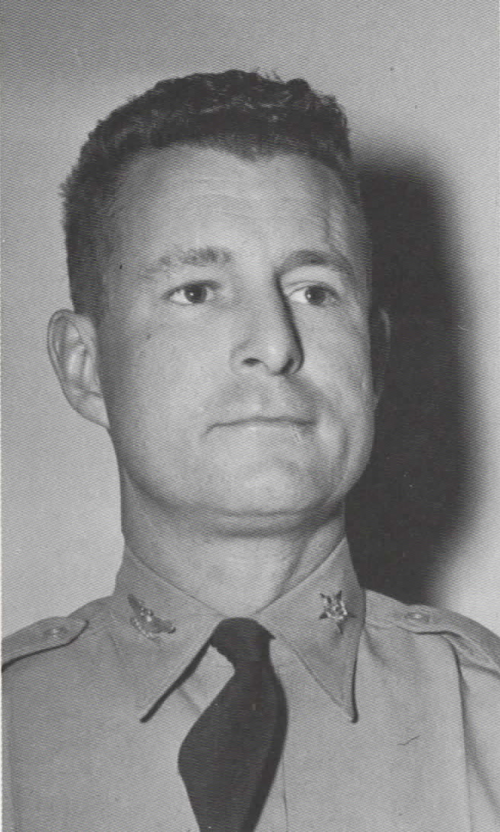 Charles Bradford Smith
military commander
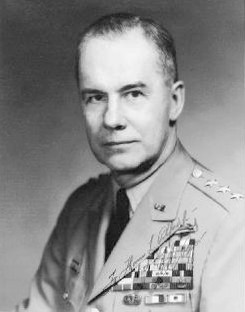 Clovis E. Byers
military commander
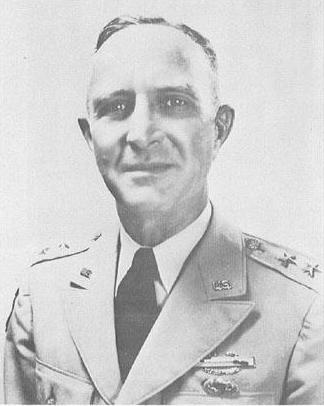 Robert Nicholas Young
military commander
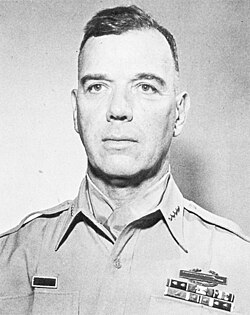 James Van Fleet
military commander
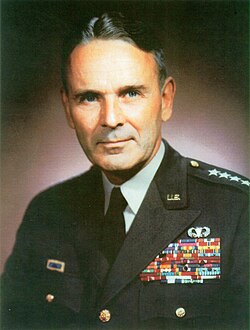 Maxwell D. Taylor
military commander
North Korea and allies 15
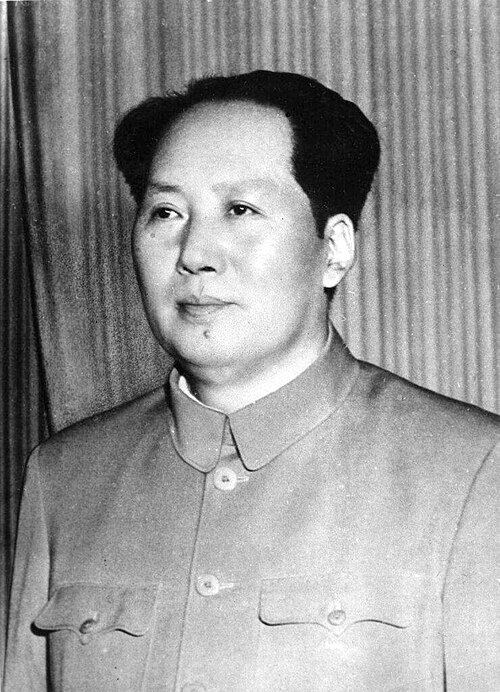 Mao Zedong
Chairman, People's Republic of China
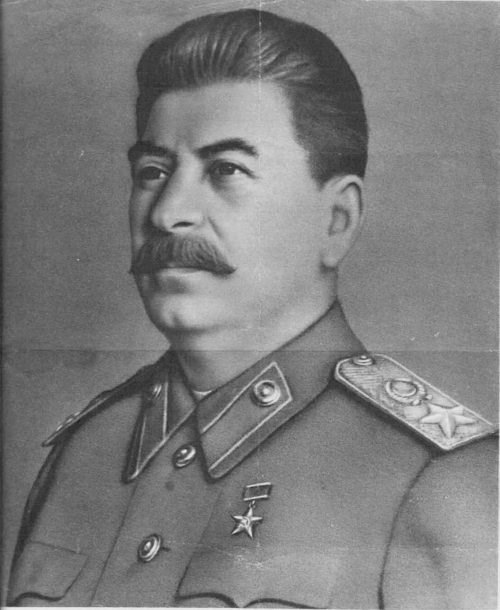 Joseph Stalin
General Secretary of Communist Party, Soviet Union
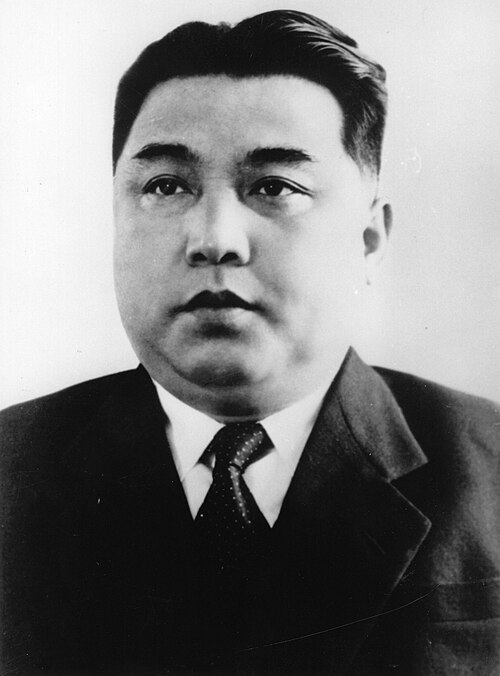 Kim Il-sung
Supreme Commander, Korean People's Army
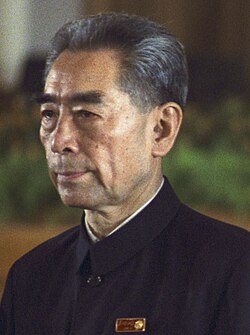 Zhou Enlai
Premier
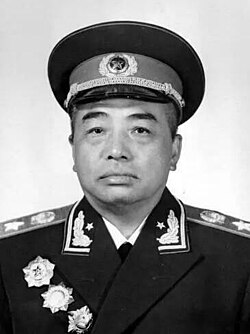 Peng Dehuai
Commander of the People's Volunteer Army
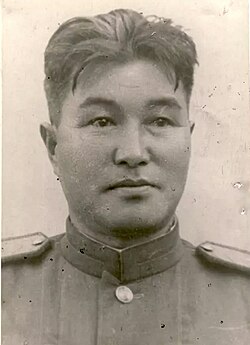 Choe Yong-gon
military commander
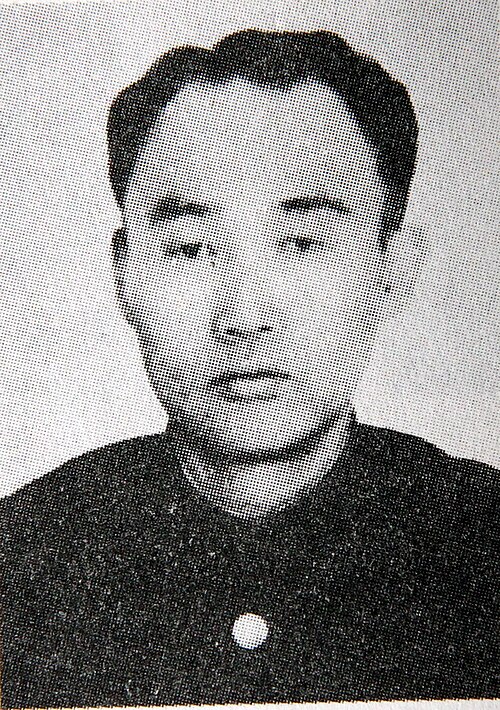 Kim Chaek
military commander
Kim Ung
military commander
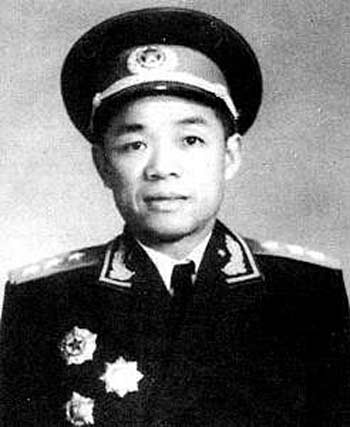 Han Xianchu
military commander
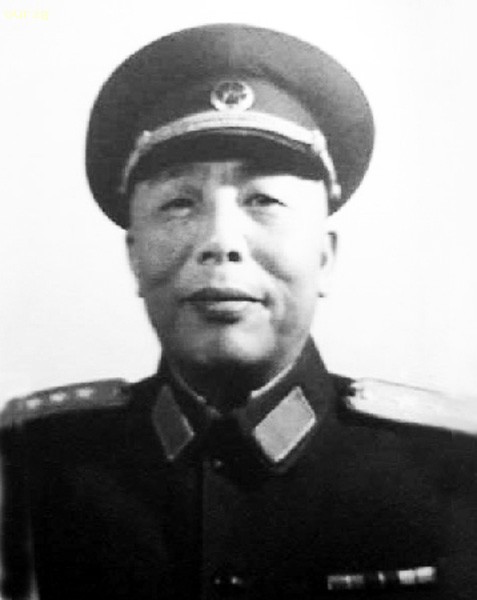 Song Shilun
military commander
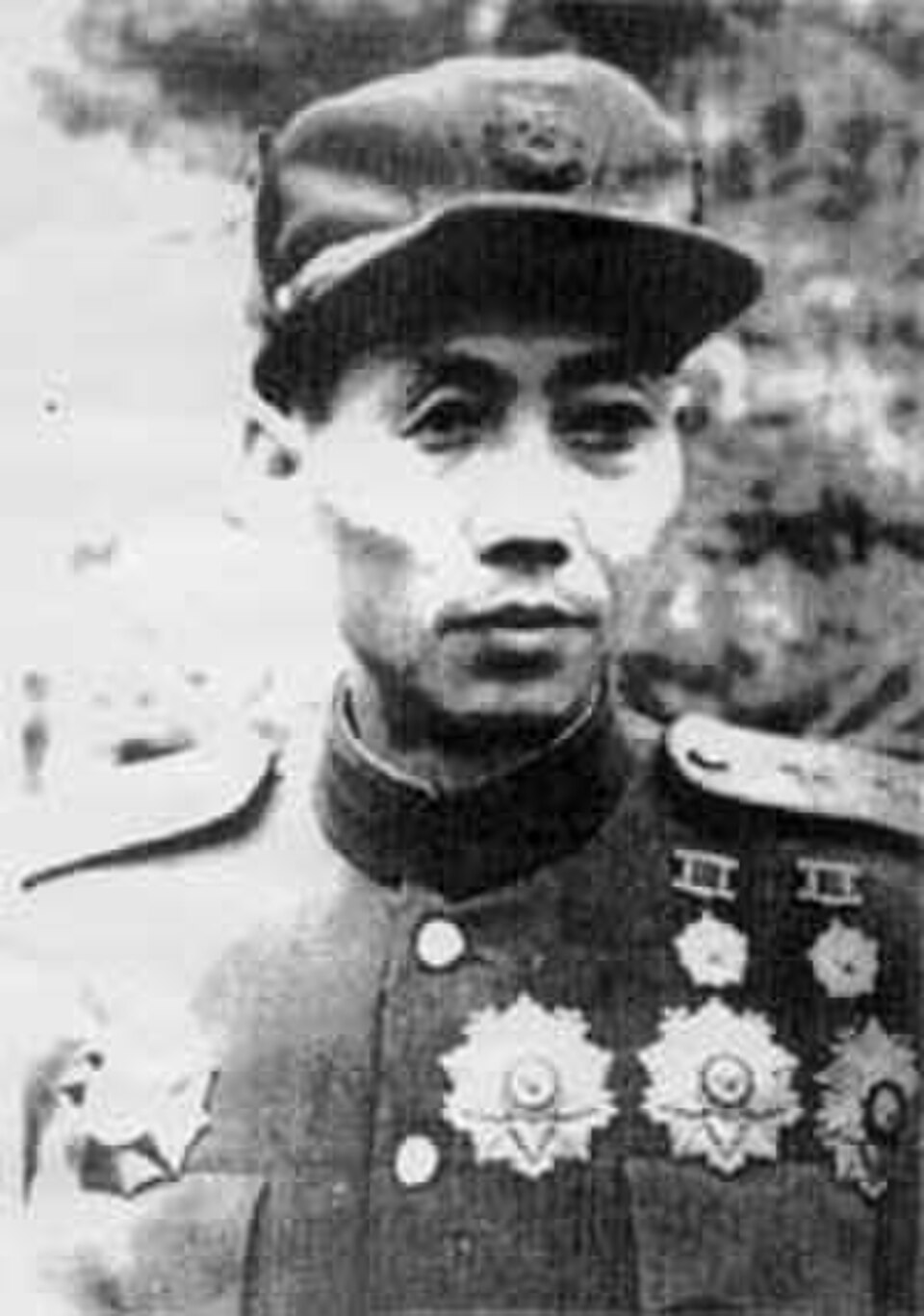 Pang Ho-san
military commander
Lee Kwon-mu
military commander
 Kang Kon
military commander
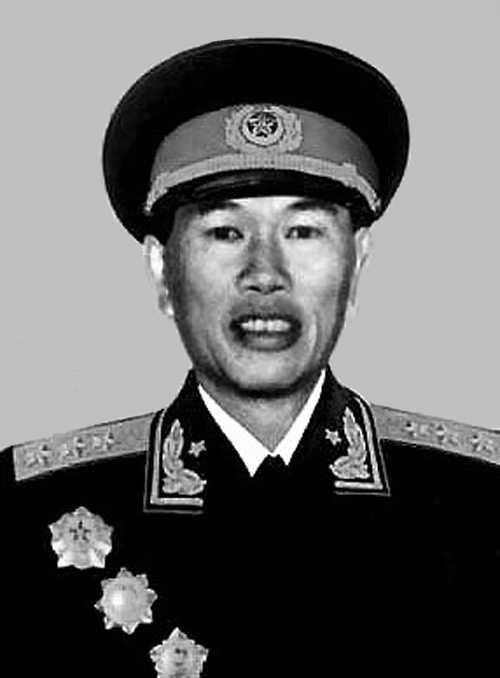 Deng Hua
military commander
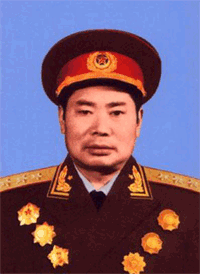 Yang Dezhi
military commander