 Soviet–Japanese War
August 9 – September 3, 1945 · Manchuria
Result Soviet victory
The Soviet Union declared war on Japan on 8 August 1945 and invaded Manchuria the next day with the Mongolian People's Republic, toppling the puppet states of Manchukuo and Mengjiang and seizing northern Korea, Karafuto on Sakhalin, and the Kuril Islands. The destruction of Japan's Kwantung Army hastened the Japanese surrender that ended World War II.
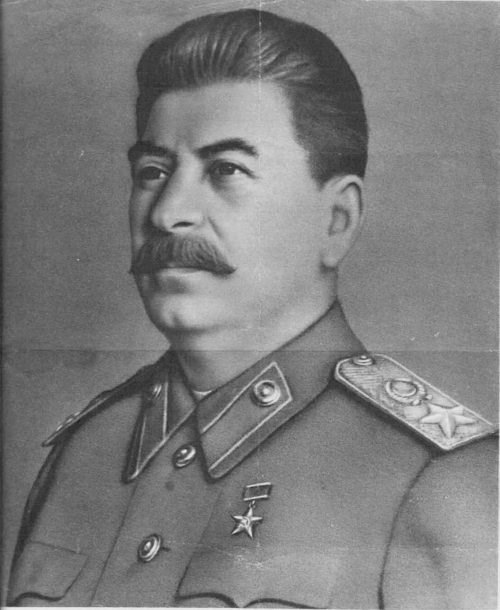
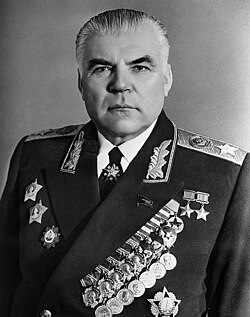
Soviet Union and allies
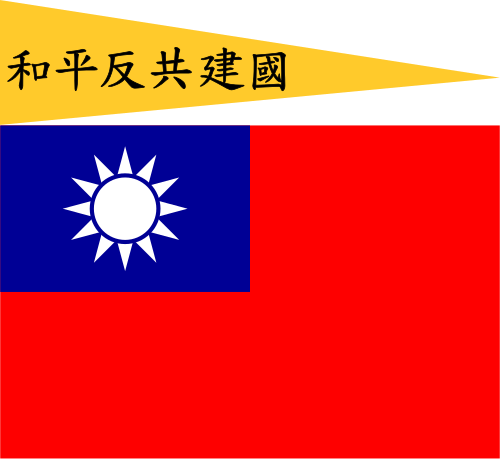
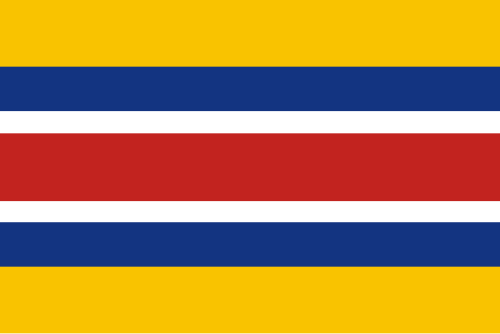
Japan and allies
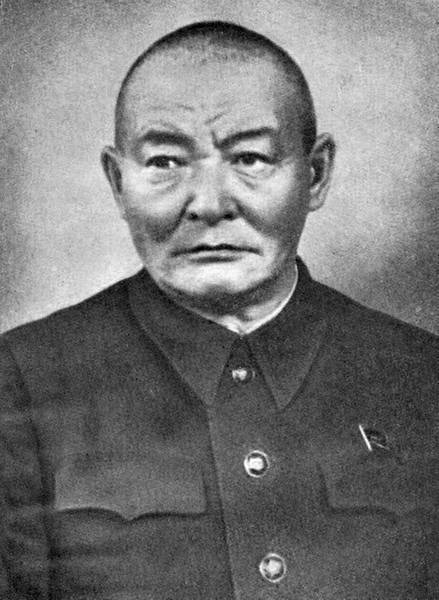
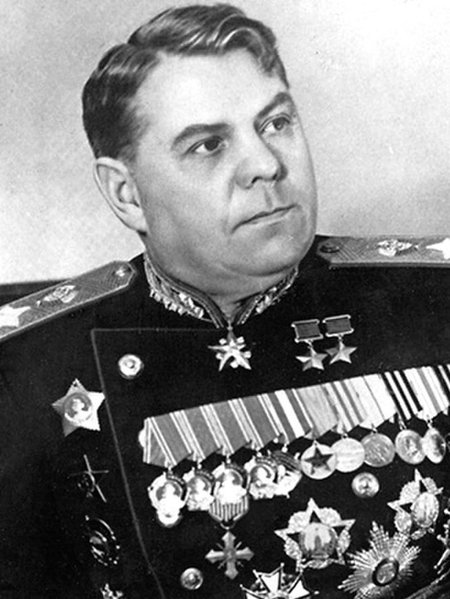
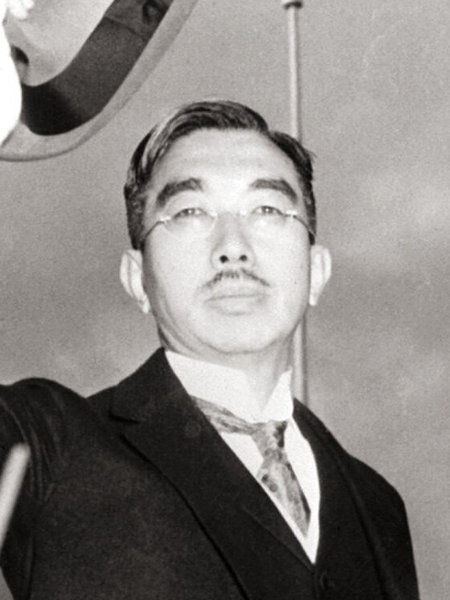
Strength and losses
Japan Strength c. 1,092,400
Manchukuo Strength 200,000
Mengjiang Strength 44,000
Units
2nd Far Eastern Front
15th Army (Soviet Union)
16th Army (Soviet Union)
17th Army (Soviet Union)
1st Red Banner Army
25th Army (Soviet Union)
2nd Red Banner Army
35th Guards Combined Arms Army
36th Army (Soviet Union)
39th Army (Soviet Union)
53rd Army (Soviet Union)
5th Guards Combined Arms Army
6th Guards Tank Army
Mongolian People's Army
10th Mechanized Corps (Soviet Union)
5th Rifle Corps
12th Rifle Division (Soviet Union)
40th Separate Guards Naval Infantry Brigade
60th Motor Rifle Brigade
Amur Flotilla
10th Air Army
9th Air Army
Battles 3
-
Soviet invasion of Manchuria August 9–20, 1945 · Soviet victory
- Battle of Mutanchiang August 16, 1945
- Soviet invasion of South Sakhalin August 11–25, 1945 · Soviet victory
-
Soviet invasion of the Kuril Islands August 18 – September 1, 1945 · Soviet victory
- Battle of Shumshu August 18–23, 1945 · Soviet victory
Related events
1920
1925
1930
1935
1940
1945
1950
1955
1960
1965
1970
1975
1980
1985
1990


 Soviet–Japanese War
