 Chinese Civil War
August 1, 1927 – December 7, 1949 · Beijing
Related events
1912
1915
1918
1921
1924
1927
1930
1933
1936
1939
1942
1945
1948
 Chinese Civil War
Armed conflict from 1 August 1927 to 7 December 1949 between the Kuomintang (KMT) government of the Republic of China and the Chinese Communist Party (CCP), interrupted by the Second United Front against the Japanese invasion from 1937 to 1945. The Communists gained the upper hand after 1945, proclaimed the People's Republic of China in October 1949, and the KMT retreated to Taiwan that December. No armistice or peace treaty was ever signed, and both sides claim to be the legitimate government of all China.
Sides
Communists
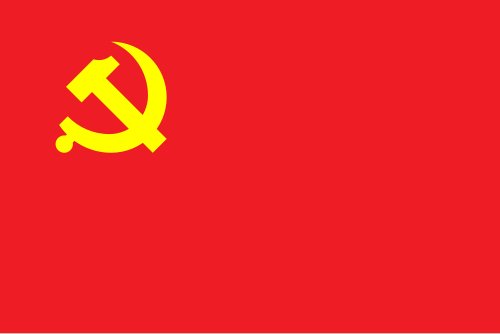
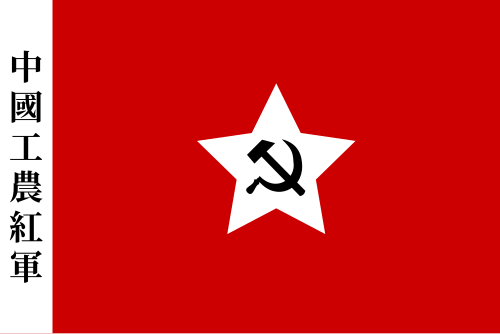
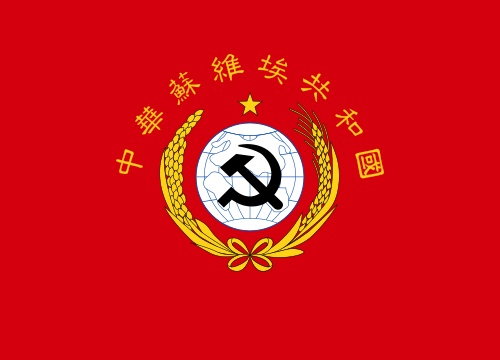
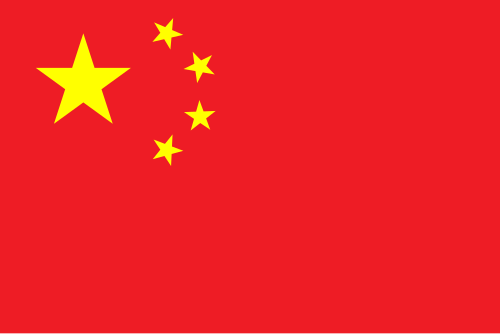
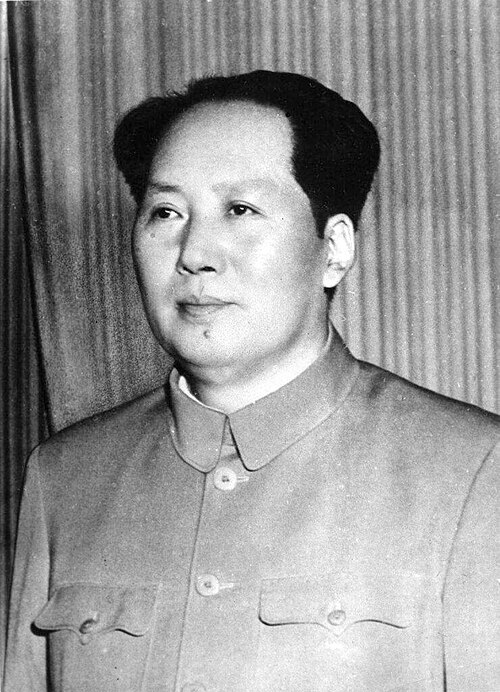 Mao Zedong
Chairman of the Chinese Communist Party
Mao Zedong
Chairman of the Chinese Communist Party
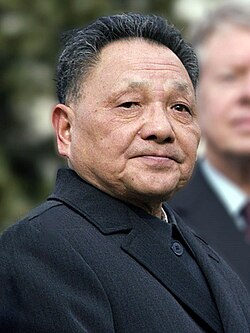 Deng Xiaoping
Chinese Red Army
Deng Xiaoping
Chinese Red Army
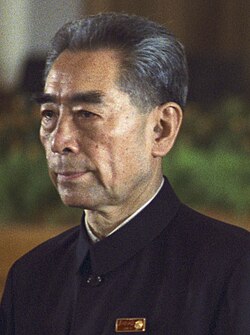 Zhou Enlai
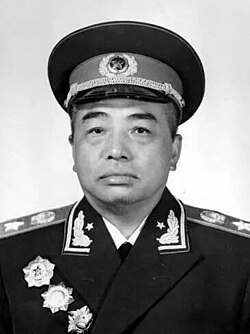 Peng Dehuai
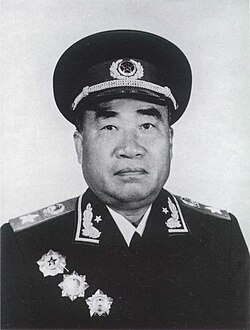 Zhu De
Commander-in-chief of the People's Liberation Army
Zhu De
Commander-in-chief of the People's Liberation Army
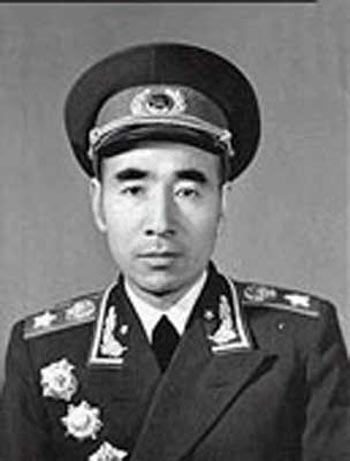 Lin Biao
Marshal, Commander of the Northeast Field Army; won the Liaoshen and Pingjin Campaigns
Lin Biao
Marshal, Commander of the Northeast Field Army; won the Liaoshen and Pingjin Campaigns
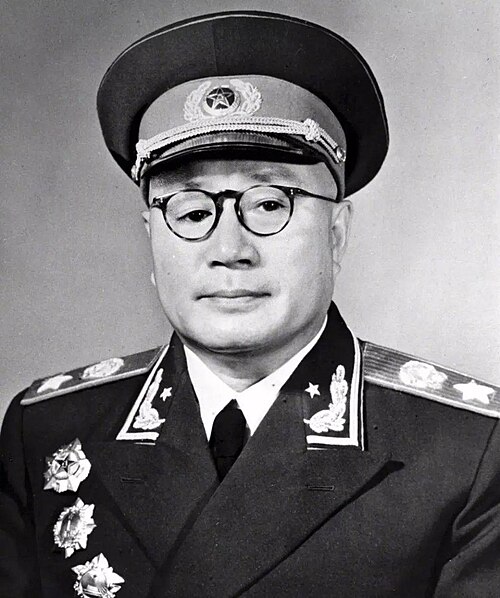 Liu Bocheng
Marshal, Commander of the Second Field Army
Liu Bocheng
Marshal, Commander of the Second Field Army
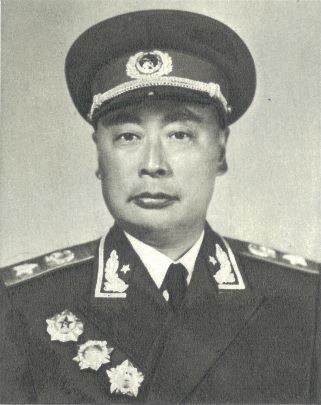 Chen Yi
Marshal, Commander of the Third Field Army
Chen Yi
Marshal, Commander of the Third Field Army
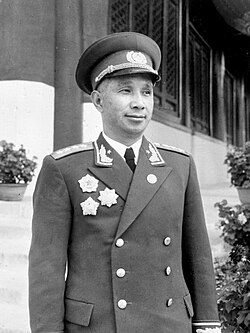
Nationalists
 Republic of China
Kuomintang-led government
Republic of China
Kuomintang-led government
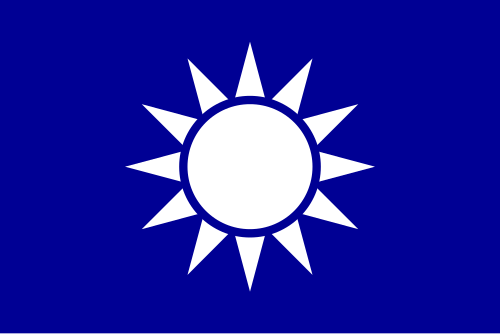
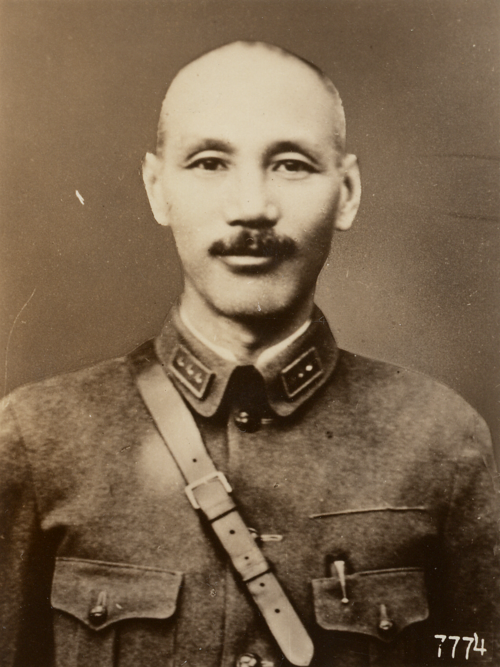 Chiang Kai-shek
Director-General of the Kuomintang, Republic of China
Chiang Kai-shek
Director-General of the Kuomintang, Republic of China
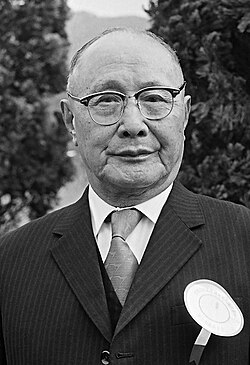 He Yingqin
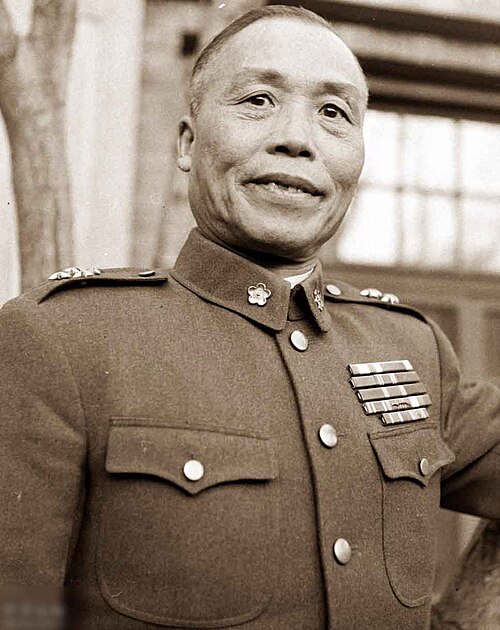 Li Zongren
General, New Guangxi Clique; Acting President of the Republic of China, 1949
Li Zongren
General, New Guangxi Clique; Acting President of the Republic of China, 1949
 Du Yuming
Lieutenant General, Nationalist field commander; captured at Huaihai
Du Yuming
Lieutenant General, Nationalist field commander; captured at Huaihai
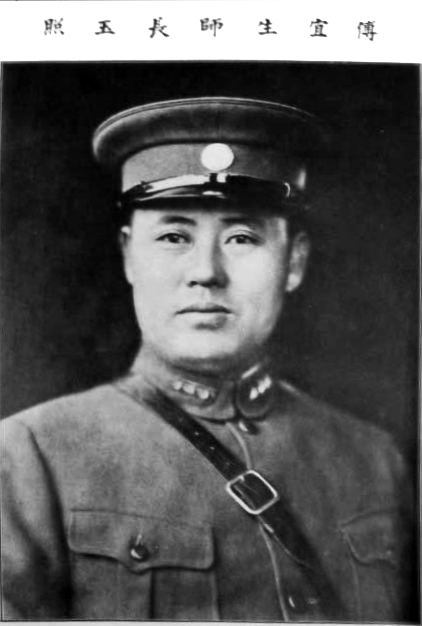 Fu Zuoyi
General, Surrendered the Beiping garrison, January 1949
Fu Zuoyi
General, Surrendered the Beiping garrison, January 1949
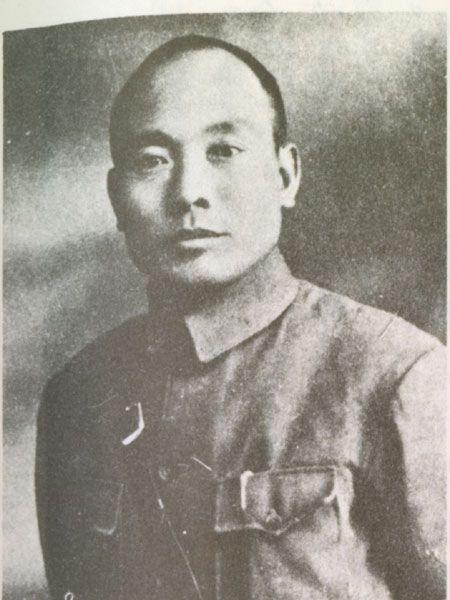 Tang Enbo
General, Commanded the Nationalist defense of Shanghai, 1949
Tang Enbo
General, Commanded the Nationalist defense of Shanghai, 1949
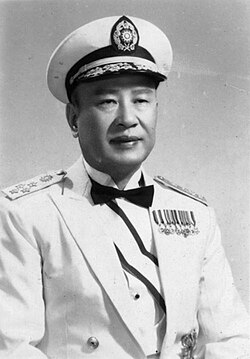 Bai Chongxi
belligerent leader
Bai Chongxi
belligerent leader
Battles and events 26
- Shanghai massacre April 12, 1927
- Nanchang Uprising August 1–5, 1927
- Autumn Harvest Uprising September 7, 1927
- Encirclement Campaigns November 1, 1930 – October 10, 1934
- Long March October 16, 1934 – October 19, 1935
- Zunyi Conference January 15–17, 1935
- Xi'an Incident December 12–25, 1936
- Shangdang Campaign September 10 – October 12, 1945
- Second Battle of Siping April 17 – May 19, 1946
- Linjiang Campaign December 17, 1946 – April 1, 1947
- Battle of Yan'an March 13–19, 1947
- Menglianggu Campaign May 13–16, 1947
- Siege of Changchun May 23 – October 19, 1948
- Liaoshen Campaign September 12 – November 2, 1948
- Taiyuan Campaign October 5, 1948 – April 24, 1949
- Huaihai Campaign November 6, 1948 – January 10, 1949
- Pingjin Campaign November 29, 1948 – January 31, 1949
- Yangtze River Crossing campaign April 20 – June 2, 1949
- Shanghai Campaign May 12 – June 2, 1949
- Battle of Guningtou October 25–27, 1949
- Battle of Dengbu Island November 3–5, 1949
- Chengdu Campaign December 11–27, 1949
- Landing Operation on Hainan Island March 5 – May 1, 1950
- First Taiwan Strait Crisis September 3, 1954 – May 1, 1955
- Second Taiwan Strait Crisis August 23 – December 2, 1958
- Third Taiwan Strait Crisis July 21, 1995 – March 23, 1996
Also involved 17
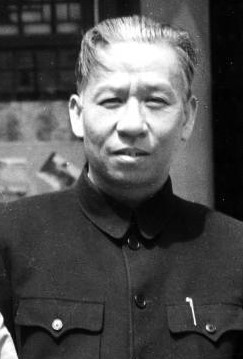 Liu Shaoqi
Vice Chairman of the Chinese Communist Party · Communists
Liu Shaoqi
Vice Chairman of the Chinese Communist Party · Communists
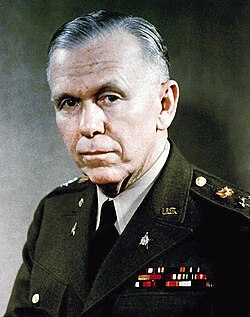 George C. Marshall
Special envoy to China, Tried to mediate between the two sides in 1946
George C. Marshall
Special envoy to China, Tried to mediate between the two sides in 1946
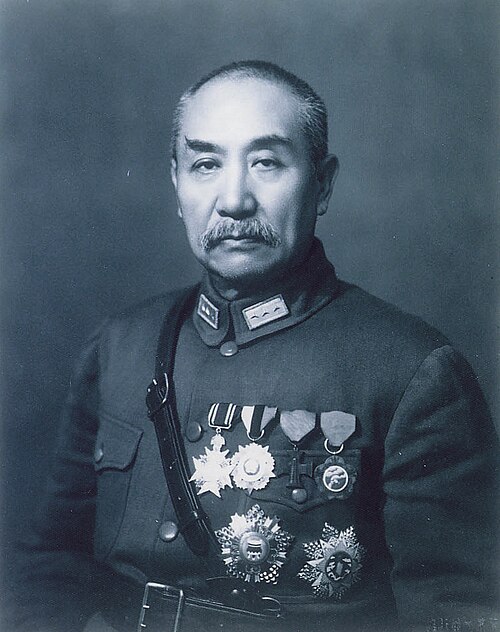 Yen Hsi-shan
participant · Nationalists
Yen Hsi-shan
participant · Nationalists
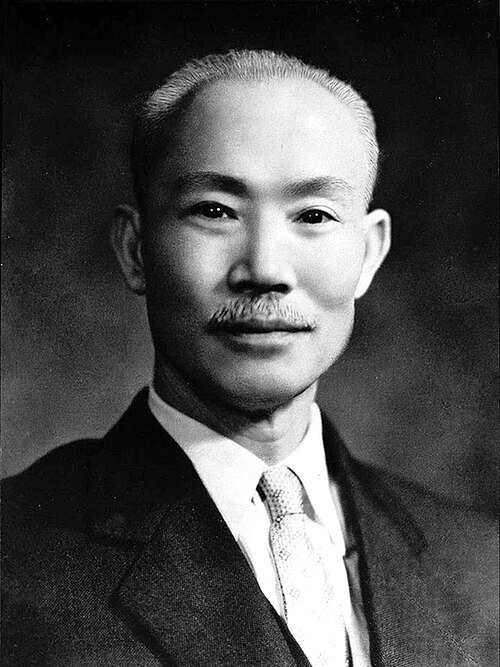 Chen Cheng
General, Chief of the General Staff; later led the retreat to Taiwan · Nationalists
Chen Cheng
General, Chief of the General Staff; later led the retreat to Taiwan · Nationalists
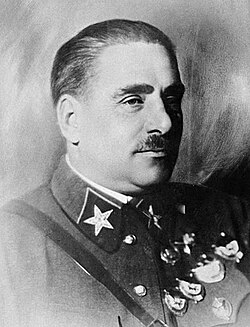 Vasily Blyukher
participant
Vasily Blyukher
participant
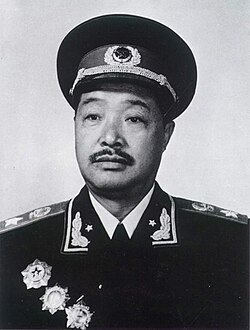 He Long
Commander · Communists
He Long
Commander · Communists
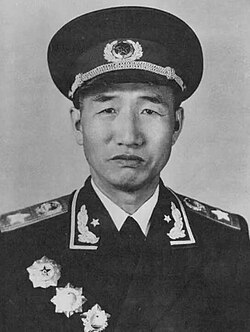 Xu Xiangqian
Commander · Communists
Xu Xiangqian
Commander · Communists
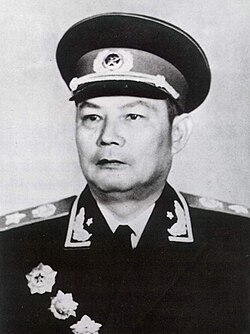 Ye Jianying
Chief of Staff of the People's Liberation Army · Communists
Ye Jianying
Chief of Staff of the People's Liberation Army · Communists
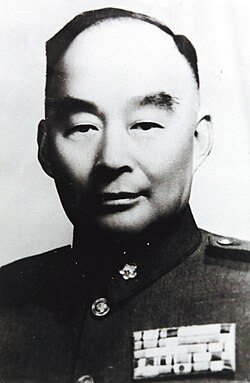 Hu Zongnan
General, Captured Yan'an in 1947 · Nationalists
Hu Zongnan
General, Captured Yan'an in 1947 · Nationalists
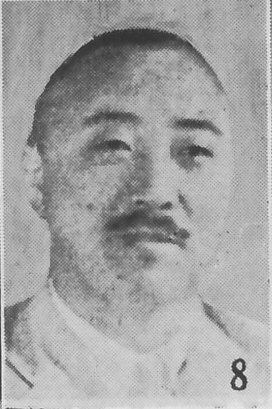 Wei Lihuang
General, Lost Manchuria in the Liaoshen Campaign · Nationalists
Wei Lihuang
General, Lost Manchuria in the Liaoshen Campaign · Nationalists
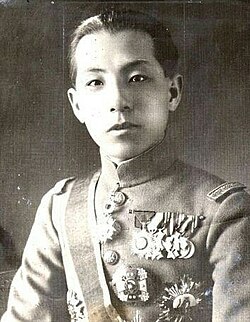 Zhang Xueliang
Commander of the Northeastern Army, Forced the 1936 truce with the Communists in the Xi'an Incident · Nationalists
Zhang Xueliang
Commander of the Northeastern Army, Forced the 1936 truce with the Communists in the Xi'an Incident · Nationalists
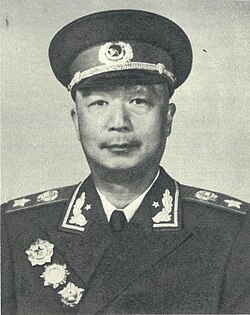 Nie Rongzhen
Commander, North China Military Region, Pingjin Campaign · Communists
Nie Rongzhen
Commander, North China Military Region, Pingjin Campaign · Communists
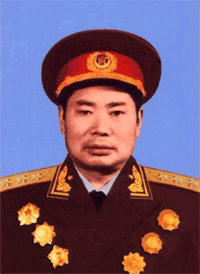 Yang Dezhi
participant · Communists
Yang Dezhi
participant · Communists
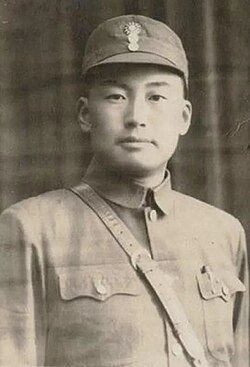 Ji Xingwen
participant
Ji Xingwen
participant
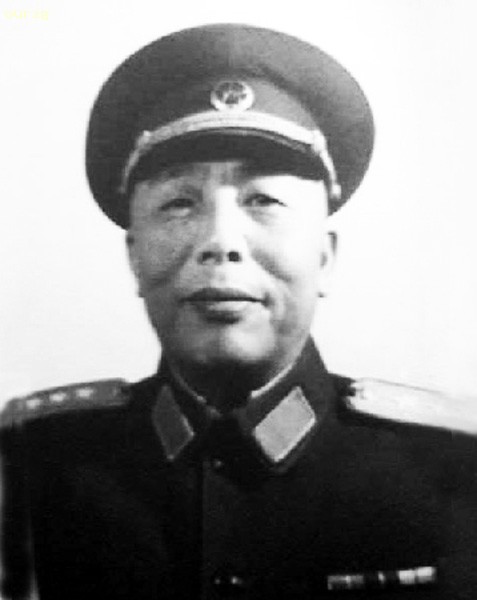 Song Shilun
participant · Communists
Song Shilun
participant · Communists
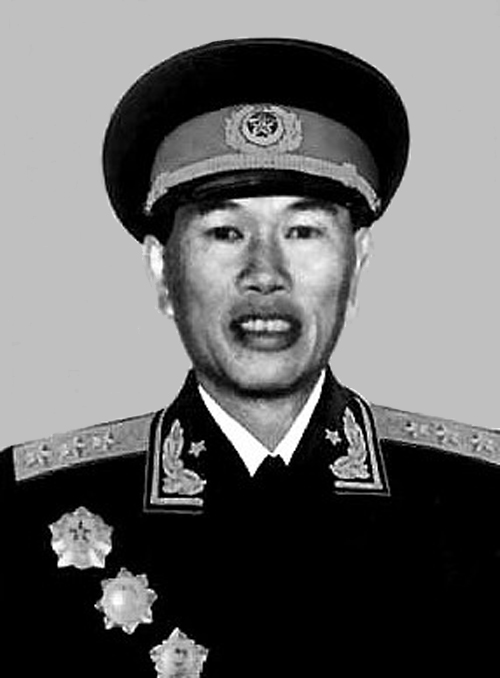 Deng Hua
participant · Communists
Deng Hua
participant · Communists
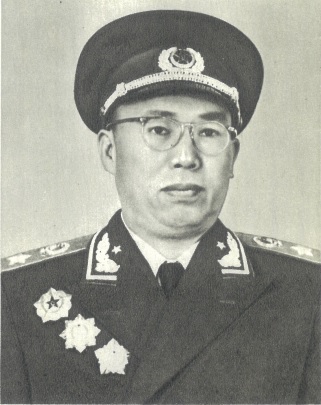 Luo Ronghuan
participant · Communists
Luo Ronghuan
participant · Communists